Focused arrival windows
Useful updates and clear arrival timing.
Sewer line repair in Bonita Springs covers two kinds of pipe: original 1980s laterals in established subdivisions, and brand-new lines tying into the growth corridor along US-41. Our crews camera every job first, then line, burst, or spot-repair the defect through small access pits. Established landscaping stays put, new driveways stay intact, and most homes are back in service the same day. Call (239) 448-0271 for a fixed-price quote based on video, not guesswork.
Useful updates and clear arrival timing.
Review the approach and price before deciding.
Equipped vehicles and respectful cleanup.
Neighbors serving neighbors with follow-through.
Sewer line repair in Bonita Springs is camera-diagnosed trenchless restoration that fixes aging subdivision laterals without tearing up established landscaping. Bonita Springs is growing fast along the US-41 and Bonita Beach Road corridors, which means our week splits between two job types: original 1980s clay and cast-iron laterals in subdivisions like Spanish Wells and Pelican Landing, and new sewer installations for construction along the growth corridor. Trenchless sewer repair in Bonita Springs handles the first kind through small access pits, lining or bursting the old line in place. Sewer camera inspection in Bonita Springs decides which method fits, with footage that shows every break to the foot. Near Bonita Beach, older cottages add salt-air corrosion to the usual root and age problems. Lee County permits and inspections are part of every job, and our crews run the corridor daily from the Naples base. That daily presence matters when a backup hits during season and mainland contractors are booked weeks out. One call to (239) 448-0271 puts a camera in the line, and the video decides everything that follows first. No guesswork, no surprises.
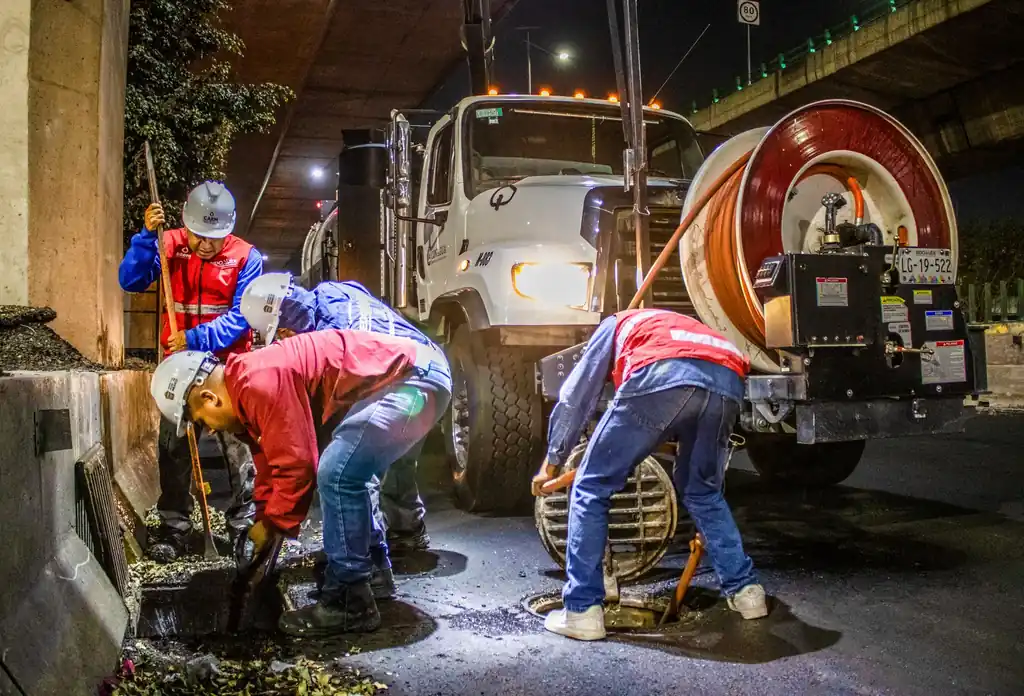
Bonita Springs sewer work divides between restoration and installation: 1980s subdivisions with original laterals on one side, active construction along the growth corridor on the other. Pricing always starts from the same question of how much does sewer line repair cost in Bonita Springs for your pipe, answered by camera footage. Trenchless lining and bursting cover most restoration; new installations get full trenching, correct grade, and county inspection. Emergency backup calls get same-week response, with jetting and camera on the first truck.
When a 1980s lateral cracks or fills with roots but still holds its shape, trenchless sewer repair in Bonita Springs renews it through two small pits instead of an open trench. A resin liner or bursting head travels the old line's path and leaves new pipe rated for decades. Mature landscaping and paver driveways stay untouched. Most subdivision jobs finish in a single day.
View service →02Some Bonita Springs lines are past lining: collapsed clay in the older tracts, or Orangeburg that has gone oval. Sewer line replacement in Bonita Springs then means a full new lateral, usually installed by pipe bursting so the old pipe's path carries the new HDPE. Permits go through Lee County with inspection before backfill, and the yard is restored to grade.
View service →03Cured-in-place lining builds a jointless pipe inside the old one: resin-soaked felt is inverted into the line and cured with hot water or steam in three to four hours. CIPP pipe lining in Bonita Springs is the standard fix for cracked clay and cast iron in established subdivisions, because it needs no trenching through landscaped lots. The liner seals every joint against roots.
View service →04Pipe bursting pulls a bursting head through the failed line, fracturing it outward while new HDPE follows behind in the same pass. On Bonita Springs 1980s tracts with collapsed clay, it replaces 50 to 150 feet in a day from two four-by-four-foot pits. The fused HDPE has no joints for roots to enter, which ends the repeat-backup cycle for good.
View service →05A waterproof camera travels the lateral from cleanout to tap while we watch live and record. Sewer camera inspection in Bonita Springs locates breaks, bellies, and root masses to the foot, so quotes match the real defect. Typical 2026 pricing is $189-$349. Buyers in this growth market use it as a pre-purchase check; owners use it to stop guessing.
View service →06Hydro jetting scours the line with water at up to 4,000 PSI, cutting roots, grease, and scale that snakes only pierce. In Bonita Springs subdivisions with mature trees, jetting is the annual reset that keeps older joints flowing. We jet before filming, so the camera shows the pipe's true condition and the repair quote is built on clean footage.
View service →07Bonita Beach cottages and the oldest subdivision homes run cast iron that rusts from the bottom up, and salt air near the coast speeds the clock. Cast iron sewer pipe repair in Bonita Springs usually means CIPP lining in place: a new jointless pipe inside the old one, with no demolition. Collapsed sections get a targeted spot repair through one small opening.
View service →08Sewage in the tubs during season cannot wait for a callback. Emergency sewer repair in Bonita Springs sends a crew with a jetter and camera to stop the backup first, then diagnose on the spot. We clear the line, film it, and price the real fix before leaving. Lining or bursting is then scheduled immediately, often within days.
View service →09When the camera finds one bad joint in an otherwise sound 1980s lateral, full replacement is overkill. Sewer spot repair in Bonita Springs opens one targeted pit, cuts out the failed section, and splices in PVC with shielded couplings. Typical 2026 pricing runs $600-$2,500. Most spot repairs are permitted, inspected, and backfilled the same day.
View service →Every Bonita Springs job starts with a sewer camera inspection in Bonita Springs, because the city's two pipe generations need different fixes. The camera run takes one to two hours: locate the line, mark depths, record from cleanout to tap. Restoration jobs in the 1980s subdivisions are batched by neighborhood, so crews work several streets per trip and HOA coordination happens once. New-installation jobs along the corridor get full trenching with shoring, correct grade, and Lee County inspection before backfill. Trenchless repairs need only entry and exit pits and usually finish in a day. Homeowners asking about trenchless sewer line repair without digging in Bonita Springs get the same first answer everywhere: the camera decides, and the yard survives either way. Call (239) 448-0271 to put the camera in the line first.
Whole streets share the same pipe age and material, so when one lateral fails, the neighbors' lines are close behind. Crews need liners and bursting heads in multiple sizes on the truck, and scheduling has to flex when three houses on one street call in the same week. We stock the full range of liner diameters and bursting heads for 1980s-era pipe, and we batch subdivision jobs by area to keep response fast. When a cluster pattern shows up, we tell the neighbors straight: camera now is cheaper than emergency later.
Along the growth corridor, build sites close lanes, stage materials in rights-of-way, and churn mud across access points. A crew that cannot stage the jetter or reach the cleanout loses the day before work starts. We coordinate with site supers before dispatch, confirm staging and access in advance, and schedule corridor jobs early in the day before construction traffic peaks. For tie-ins, we work to the builder's inspection calendar so nothing waits on us.
Property managers need units back online between tenants, and a backup during season means lost rental income by the day. Jobs that stretch across a week cost the owner more than the repair itself. Trenchless methods finish most jobs in a single day, which fits turnover windows. We give managers a firm date, arrive with everything on the truck, and hand over the camera video with the invoice so they have documentation for the owner.
Lateral replacement, lining, and new installations in Bonita Springs require a Lee County permit with inspection before backfill. We pull the permit, meet the inspector, and include the fee in the quote. Unpermitted sewer work surfaces at resale, so permitted work protects the property value.
Sewer lateral work in Florida must be performed by a state-certified or county-registered plumbing contractor. Verify the license before anyone digs or lines: unlicensed work voids permits and creates liability that follows the property, not the contractor.
Four failure modes drive most Bonita Springs calls, and they map to the city's two pipe generations: original 1980s clay and cast iron in the subdivisions, and newer PVC along the corridor with its own installation-era defects. Trenchless sewer repair in Bonita Springs exists for this exact mix: diagnose with a camera, then line, burst, or spot-repair without tearing up the lot. Here is what the camera usually finds.
Subdivisions built in the 1980s used clay and cast iron with 50-to-60-year service lives, and that clock is running out street by street. Joints separate, cast iron rusts from the bottom, and clay cracks under soil movement. Whole neighborhoods hit the failure window within a few years of each other. The camera maps every defect to the foot across the full run. Sound-but-cracked lines get CIPP lining; collapsed sections get pipe bursting with jointless HDPE. Both install in a day from small pits, which is what makes cluster failures affordable to fix.
Forty years of landscaping growth means forty years of roots hunting moisture at every pipe joint. Oaks and palms planted when the subdivisions were new now sit directly over the laterals. Each growing season thickens the intrusion until flow stops. Hydro jetting at up to 4,000 PSI cuts the mass out completely, then the camera finds the entry joints. Lining seals those joints permanently. For lines too far gone, bursting installs jointless HDPE that roots cannot enter, ending the cycle.
Bonita Beach cottages sit in salt air that accelerates corrosion of cast iron from the outside while wastewater works from the inside. Lines near the coast fail years ahead of identical pipe inland. The first sign is usually odor after rain, not a full backup. Camera inspection measures remaining wall thickness and maps thin spots. Lining gives corroded-but-standing pipe a new interior; fully failed sections get spot repair through a single pit. Either way the cottage keeps its floors and driveway.
High-volume 1980s tract construction did not always compact trench bedding evenly, so some laterals left the builder with low spots. Bellies collect solids and hold standing water, which corrodes the pipe from inside and catches debris. The camera shows them as water that never drains. Lining bridges minor bellies with a smooth new interior. Severe bellies with standing water get pipe bursting, which installs new HDPE at correct quarter-inch-per-foot slope. The camera verifies grade on the way out, so the fix is proven, not promised.
Bonita Springs runs on two axes: US-41 north-south and Bonita Beach Road east-west. Our crews use those two roads the way locals do, as the reference for every address. I-75 marks the eastern edge of the service pattern, the beach marks the western end, and downtown sits at the crossing. Dispatchers place every job against these fixed points and build the day's route around them.
The main north-south highway through Bonita Springs and the spine of the growth corridor. Most subdivisions branch off it, so dispatchers place addresses by their nearest US-41 cross street. It is the first reference in every route plan.
The main east-west artery from I-75 to Bonita Beach. It divides the city's north and south service zones on our dispatch map and is the reference for beach-area jobs. Crews use it to sequence jobs from the interstate to the coast.
The eastern boundary of the Bonita Springs service pattern. Crews coming from the Naples base use I-75 for the fastest northbound run, exiting toward the corridor or the beach depending on the job's location.
The public beach at the west end of Bonita Beach Road. It orients all beachside service calls and marks the end of the line for westbound routing. Jobs near the beach are scheduled early to avoid midday traffic.
The downtown riverfront park on Old 41. It anchors the Old 41 district for dispatch purposes and sits near the historic commercial blocks where our crews handle mixed-use laterals.
The historic commercial district with restaurants, shops, and offices. Laterals here serve food-service tenants with grease load, and shared lines between buildings are common. Jetting and camera work here is scheduled around business hours.
The retail and service corridor connecting US-41 to the beach. New construction tie-ins and restaurant laterals make up most commercial calls. Work is staged to keep customer parking open.
Runs along the east side of Bonita Springs with direct exits to the corridor. Crews use it for fast north-south movement between Naples, Bonita Springs, and Estero.
The surface highway through the city center, connecting Bonita Springs to Naples south and Fort Myers north. Every local job routes off it at some point.
Bonita Springs stretches from the beach to east of I-75, and the pipe changes across that span. Beach cottages fight salt air, the 1980s subdivisions fight age, and the corridor fights construction churn. These four areas generate most of our calls. Anywhere else in the city, the same crews and the same camera-first process apply.
The beachside strip with older cottages and small rentals, where cast iron meets salt air and fails early. Lines here are short but heavily used, and access runs through tight lots. Lining is the frequent fix: new pipe inside the old one with no demolition of cottages or driveways. West end of Bonita Beach Road; crews schedule beach jobs early to beat tourist traffic.
The downtown district along Old 41 Road, mixing historic commercial buildings with older homes on original laterals. Shared lines and limited parking shape every job. Camera inspection sorts out who owns which section before any repair is quoted, which matters on mixed-use blocks. Central Bonita off US-41; crews coordinate parking and access with neighboring businesses.
A large 1980s community where original clay and cast-iron laterals are failing on schedule. Repeat root blockages are the signature complaint. The standard package is hydro jetting plus camera, then lining or bursting depending on what the footage shows. Neighbors often book in groups once one street sees the results. East of US-41; crews batch Spanish Wells jobs with nearby subdivisions per trip.
An established community with mature landscaping and 1980s-to-1990s pipe. Roots from decades-old trees are the main enemy, and HOA rules govern work hours and restoration. Trenchless methods fit the rules: small pits, one-day jobs, and landscaping left intact. South Bonita near the Estero line; crews pair it with Estero jobs on the same run.
Three representative jobs from the Bonita Springs route. Different neighborhoods, same pattern: camera first, trenchless where the pipe allows, and a fixed price before work starts. If your street was built in the same era as one of these, the diagnosis will probably rhyme.
A Spanish Wells home backed up every three months despite regular snaking. The owners assumed the line was fine because the house looked well kept. Hydro jetting cleared the roots, and the camera showed the real problem: separated clay joints every eight to ten feet across a 60-foot run. We installed a CIPP liner through the full run from two small pits. Every joint sealed in one day, with the landscaping untouched. Eighteen months without a backup. The owners stopped paying for quarterly snaking, and the liner carries a manufacturer-backed warranty. The yard looked the same the day we left as the day we arrived.
A Bonita Beach cottage had sewage odors after every heavy rain and a toilet that gurgled nightly. Two plumbers had blamed the septic-era plumbing. The camera found cast iron rusted through at the bottom of the line, with salt-air corrosion speeding the failure. A 25-foot section was past lining, so we did a targeted spot repair through one pit and lined the remaining run. One excavation, one liner, one day. Odors gone after the first storm. The cottage kept its original floors and driveway, and the repair passed Lee County inspection on the first visit. Total open ground was a single four-by-four-foot pit.
A Pelican Landing home with mature oaks had roots returning within weeks of every snaking. The HOA limited work to weekday hours with full restoration required. We jetted the line at full pressure, filmed the clean pipe, and found root entry at five separated joints. CIPP lining sealed all five in a single approved workday. The HOA got the before-and-after video with the invoice, and the oaks were never touched. Two growing seasons with no root callbacks. The homeowner's annual plumbing spend dropped to one preventive jetting. The association now recommends the camera-first approach to other residents.
October lands at the tail of the June-to-November rain season, when saturated soil is still moving pipes and backup calls run high across the subdivisions. Winter brings dry soil and the seasonal population, spring stays dry and predictable, and summer reloads the rain. Each season shifts what your lateral needs. Homeowners weighing trenchless sewer line repair without digging in Bonita Springs get the clearest camera picture in fall, when the year's damage is fully visible.
March through May brings the driest soil and the most predictable scheduling of the year. Damage from the rain season shows fully on camera, and open-cut work is at its easiest if a job needs it. Subdivision bookings fill early as owners plan around summer travel.
June through August delivers daily downpours that saturate subdivision soil. Joints separate, bellies fill, and backup calls peak across the 1980s tracts. This is emergency season: early gurgling ignored in July becomes a midnight backup in August.
September through November is the rain season's tail, with soil at maximum saturation and movement. Camera inspections now show the year's complete damage, making fall the best diagnostic window. Backup risk stays elevated into October, then eases with the dry season.
December through February means dry soil, stable pipe, and the city at full seasonal population. New arrivals discover lateral problems on move-in, so inspection bookings run heavy. It is the best window for planned work and the worst for procrastination.
Bonita Springs sits in the middle of our Southwest Florida corridor, and our Naples base in Collier County at 1274 13th St N, Naples, FL 34102 keeps it on the daily route north. The Naples run covers 34102, 34103, and 34104 before crews head up US-41 or I-75. These nearby cities share the same crews, the same trenchless equipment, and the same camera-first process.
About 25 miles south via US-41 and I-75. Island jobs with high water tables pair naturally with Bonita Springs subdivision work on the same weekly route.
Local coverage and details
Roughly 8 miles north, practically adjacent. Crews cross between Bonita Springs and Estero multiple times a day; the two cities share master-planned growth patterns.
Local coverage and details
About 18 miles north up US-41 or I-75. Its historic neighborhoods carry older clay stock than Bonita Springs, a different pipe generation for the same crews.
Local coverage and detailsRoughly 25 miles north across the river. Mid-century riverfront homes on original lines make it familiar work for crews coming up from Bonita Springs.
Local coverage and detailsMost Bonita Springs sewer contractors can dig; fewer can diagnose correctly and fix without digging. In 1980s subdivisions where landscaping is mature and HOAs watch every truck, process matters more than price. These five questions separate contractors who know subdivision sewer work from those learning on your lot. Ask them in order and listen for specifics.
A quote without video is a guess. The camera shows the break location, pipe material, and whether lining, bursting, or spot repair fits. Contractors who quote blind either pad the price for the unknown or lowball and discover the real job mid-trench.
Open-cut through a mature subdivision lot means destroyed landscaping and weeks of restoration. A contractor with lining and bursting equipment fixes most lines in a day. Digging-only shops sell you their limitation as your only option.
Permitted work gets inspected before backfill, which protects resale value. Some contractors leave permits to the homeowner or add fees later. The right answer: we pull it, we meet the inspector, and the fee is in the quote.
Liners and HDPE pipe carry manufacturer warranties, and the installer should add workmanship coverage in writing with years stated. Vague warranty talk usually means vague installation standards.
In established subdivisions the yard is worth real money. Trenchless pits should be small, marked, and restored; equipment should not cross the lawn. A contractor with no restoration plan is planning to leave you the mess.
Camera inspections cost $189-$349, and most trenchless repairs land between $8,000 and $17,000 or more. The camera comes first because price depends on length, depth, and condition, which only video shows. Spot repairs run $600-$2,500 for a single bad joint. Full open-cut replacement is the outlier at $12,000-$75,000 or more. New-installation work along the corridor is quoted per project from the site plan.
Most trenchless jobs finish in one day, with the line back in service that evening. The camera inspection takes one to two hours, and a CIPP liner typically cures in three to four hours. Pipe bursting on a standard subdivision run also wraps in a day. Open-cut replacement takes three to five days with shoring and inspections. HOA scheduling can add days around the work, not to it.
Usually yes. If the clay is cracked or root-filled but still holding its shape, CIPP lining installs a new jointless pipe inside it with no digging. If sections have fully collapsed, pipe bursting replaces the run with HDPE. The camera inspection decides which fits: shape intact means lining, shape gone means bursting.
Yes, Lee County requires a building permit for sewer lateral replacement, lining, and new installation, with inspection before backfill. The permit protects resale value, since unpermitted sewer work surfaces in buyer inspections. A legitimate contractor pulls the permit and schedules the inspection as part of the job.
Yes. Beach cottages get the same camera-first process, with attention to salt-air corrosion that shortens cast-iron life near the coast. Tight lots and limited access are normal there, and trenchless methods fit: small pits, one-day jobs, and no demolition of the cottage. Schedule beach jobs early in the day to avoid traffic.
Not seeing your question? Our local team can help you understand urgency, scheduling and what to expect.
Ask the local team
Ready when you are. Call (239) 448-0271 weekdays between 8am and 6pm and you will reach someone who can schedule a camera inspection or talk through what your drains are doing. For emergencies, describe the backup or odor and we will tell you what to do right now. Our office sits at 1274 13th St N in Naples, and we run service calls across Collier County daily.