Focused arrival windows
Useful updates and clear arrival timing.
Sewer line repair in Pelican Bay comes in two flavors: high-rise condos with shared stacks and branch lines, and single-family estates with private laterals under luxury finishes. Trenchless Sewer Pros handles both without digging, and coordinates every condo job with the association and property manager before a truck rolls. Camera footage decides the method, the price is fixed in writing, and most jobs finish in a single day. Call (239) 448-0271 and describe your building; the right process starts there.
Useful updates and clear arrival timing.
Review the approach and price before deciding.
Equipped vehicles and respectful cleanup.
Neighbors serving neighbors with follow-through.
Sewer line repair in Pelican Bay is a specialized plumbing service that restores failed sewer pipes in high-rise condos and luxury single-family homes, usually without excavation. Pelican Bay is two communities in one: Gulf Shore Boulevard high-rises where branch lines serve stacked units through common walls, and gated single-family enclaves where private laterals run under marble, travertine, and mature landscaping. Both punish traditional digging, the first because interior demolition disrupts multiple residents, the second because the finishes above the pipe cost more than the repair. A sewer camera inspection in Pelican Bay typically finds aging cast iron with bottom rust and joint separations in the older buildings, plus root intrusion where landscaping meets the pipe. Trenchless sewer repair in Pelican Bay answers with CIPP lining installed through existing access points, which renews the pipe jointless while residents go about their day. When pipe is too far gone to line, pipe bursting replaces it from small exterior pits planned around the association's rules. Property managers get the footage and the written scope before any board vote, which keeps condo approvals moving.
Every first call about sewer line repair in Pelican Bay asks some version of the same thing: how do you fix the pipe without tearing up the building or the yard, and what does it cost? The answer starts with a camera inspection and footage you can watch, then a trenchless method matched to the pipe. Condo associations get coordination handled up front, estate owners get finishes protected throughout. The ten services below cover everything from diagnosis to full replacement.
Trenchless sewer repair in Pelican Bay means renewing failed pipe without excavation, whether that pipe is a condo branch line or an estate lateral. CIPP lining goes in through existing access points; pipe bursting swaps unusable pipe from two small pits. Most residential jobs finish in one to two days. For high-rises, work is scheduled inside the association's approved windows so residents barely notice the crew.
View service →02When pipe is collapsed or back-pitched beyond lining, sewer line replacement in Pelican Bay goes in by pipe bursting along the existing path, with new HDPE at proper slope. Condo replacements are coordinated with the property manager for access and timing. Every replacement is permitted through Collier County and inspected before backfill, with documentation the association can file.
View service →03CIPP pipe lining in Pelican Bay installs an epoxy liner inside the existing pipe and cures it into a smooth, jointless new pipe rated to a 50-year design life per ASTM F1216. It is the standard fix for cracked cast iron and separated joints in both condo stacks and estate laterals. Most liners complete in a single day with no demolition, which is exactly what high-rise and luxury properties require.
View service →04Pipe bursting in Pelican Bay fractures failed pipe outward while pulling new HDPE in behind it, upsizing where the old line was undersized. Pits are sited to respect common areas, landscaping, and association rules. Typical runs of 40 to 90 feet finish in one to two days, leaving a seamless new pipe from the building to the main.
View service →05A sewer camera inspection in Pelican Bay runs a push camera with locator sonde through the line, usually 60 to 90 minutes with footage the owner or manager watches on site. Every defect gets a distance marker, which is what lets an association approve a precise scope. Typical 2026 pricing runs $189 to $349, and no repair quote is written without it.
View service →06Hydro jetting in Pelican Bay cuts roots, scale, and buildup at 3,000 to 4,000 PSI, restoring flow in under two hours without opening anything. It is the required prep before any liner installation and the right standalone fix for a sound-but-choked line. The camera runs first to confirm the pipe can take the pressure, which protects older condo piping.
View service →07Cast iron sewer pipe repair in Pelican Bay targets the 1980s and 90s pipe now rusting from the bottom and cracking at the joints in both towers and estates. Lining seals the full run jointless when the pipe holds shape; isolated failures get sectional repairs. The aim is ending repeat backups without touching marble, drywall, or common-area finishes.
View service →08Emergency sewer repair in Pelican Bay covers sewage backing into units or common areas, which means a blocked or broken line that worsens with every flush. Stop running water, alert the property manager for condo buildings, and call (239) 448-0271. The camera locates the problem first, then jetting or repair follows in the same visit when conditions allow.
View service →09Sewer spot repair in Pelican Bay fixes one failed section through a single small excavation, ideal when the camera shows long sound runs and one bad joint. Typical 2026 jobs run $600 to $2,500 depending on depth and access. For associations, it is often the fastest board-approvable fix for an isolated failure.
View service →Sewer line repair in Pelican Bay starts with two calls: one to schedule the camera inspection, and one to the property manager or HOA to confirm access rules. The technician maps the line to the main, marks every defect with distance readings, and shares the footage before any price is discussed. Then the job follows one of three paths: jetting for a sound-but-choked line, CIPP pipe lining in Pelican Bay for damaged-but-shaped pipe, or bursting for collapsed runs. How long does condo sewer line repair take in Pelican Bay, FL? Most lining jobs finish in one day, with high-rise work fitted into the association's approved windows. Collier County permitting adds a few days before excavation work, and condo boards may need the written scope for approval first. Crews protect every finish they pass, because in Pelican Bay the surfaces are the point. For condo buildings, the crew works within the approved window and the manager gets photo documentation at each stage. Estate jobs get mats on every surface and a final walkthrough before the truck leaves. You approve the method and the price before any repair begins, never after.
High-rise work needs property manager sign-off, service elevator reservations, and approved hours. A crew that arrives without coordination gets turned away at the loading dock, and every delay is billed in resident complaints. The office contacts the association when the job is booked, confirming access points, work windows, and staging areas. Written scopes and camera footage go to the manager or board up front, so approval happens before the truck rolls, not after it is parked.
Marble floors, custom tile, and finished walls sit directly over many Pelican Bay laterals. Any interior demolition for pipe access destroys finishes that cost far more to restore than the plumbing repair itself. Trenchless methods work from exterior cleanouts and small outside pits, so interiors stay untouched. CIPP lining renews under-slab pipe with zero demolition, which is why it is the default recommendation for every finished home here. No marble gets touched, ever.
Branch lines in high-rises serve stacked units, so one failure affects several households and the repair window must suit everyone. Access often runs through common areas, which multiplies the coordination load. Sectional lining targets only the failed stretch, keeping the shutdown short and the disruption to one work window. The property manager gets the schedule in writing, residents get notice through the usual channels, and the camera verifies the fix before the crew leaves.
Sewer replacement, bursting, and spot repairs in Pelican Bay require a Collier County building permit with inspection before backfill. The permit paperwork is prepared as part of the job, and copies go to the property manager so the association's records stay complete.
New and replacement piping must meet state code for materials, slope, and cleanout placement. County inspectors verify exactly these points at final inspection, so every installation is built to pass the first time, which keeps association timelines intact.
A sewer camera inspection in Pelican Bay finds the same four problems on most calls, in towers and estates alike. Building age, shared piping, tropical roots, and rain season combine into a local failure profile. Each has a trenchless fix that keeps residents in place and finishes untouched. Read them as a diagnostic checklist for your building: match the symptoms, then let the camera confirm which problem is driving the backups. Two matching symptoms usually point to one underlying cause. Start here before calling the manager.
Pelican Bay's towers and estates went up in the 80s and 90s with cast iron that is now 30 to 45 years old. It rusts from the bottom, cracks at the joints, and scales inward. In high-rises the failures hit shared branch lines, so one cracked section disrupts several units at once. Sectional or full-length CIPP lining renews the pipe from the inside through existing access points, with no demolition. Collapsed sections get pipe bursting from exterior pits. Residents stay put and finishes stay intact either way. The method follows the footage, not a sales script.
Dense tropical landscaping surrounds Pelican Bay buildings, and roots hunt the moisture at every aging joint. Irrigation keeps the soil inviting year-round. Each joint becomes an entry point, and cutting roots without sealing the joint just schedules the next intrusion. Hydro jetting clears the mass at 3,000 to 4,000 PSI, then CIPP lining seals every joint in one continuous tube. The post-lining camera pass documents a root-proof interior, which ends the cycle instead of resetting it. Nothing is left for roots to find.
In high-rise branch lines, decades of vibration, building settlement, and rain-season soil movement pull joints apart. Separated joints leak wastewater into wall cavities and invite roots and soil, and the symptoms show up as multi-floor backups. Left alone, the gaps widen every rain season. Sectional lining bridges the separated joints with a watertight sleeve sized to the branch. The work fits inside the association's approved window, and the camera verifies the seal before the crew leaves the building. Residents get notice; the fix gets verified.
From June through November, high groundwater pushes into cracked pipe through every opening, adding infiltration flow that a marginal line cannot carry. Soil washes in with it, and the combination accelerates joint separation across the system. Camera inspections in spring catch it before summer. Full-length lining creates a jointless, watertight pipe that locks groundwater out. Runs too damaged to line get pipe bursting. Both restore capacity and stop the soil loss that undermines slabs and landscaping above. The camera confirms the seal before sign-off.
Sewer line repair in Pelican Bay covers the full community from the Gulf Shore Boulevard towers to the inland enclaves, and crews navigate by a few fixed points. Customers and property managers can use the same landmarks to describe the location when they call. Naming the nearest one gets the crew routed without backtracking across the community. Property managers describing a building by its nearest landmark get the fastest routing, since crews stage by zone. The daily circuit covers all of it.
The county beach park at Pelican Bay's southern edge, reached by boardwalk through the mangroves. It anchors the south end of the service area and orients routes to the nearby villa clusters and low-rise buildings.
The beachfront artery running past Pelican Bay's high-rise towers. Crews use it as the main north-south reference for the towers, with inland enclaves described by their cross streets off the boulevard.
The community's main interior road, connecting the gated enclaves to the boulevard. It is the fastest way to describe location inside Pelican Bay, and most single-family lateral work sits off its side streets.
The waterfront shopping and dining village just south of Pelican Bay in Park Shore. It orients the southern edge of the service area, with Pelican Bay's towers and enclaves directly north along the boulevard.
Upscale retail on Tamiami Trail North, a short drive east. It marks the inland commercial reference for Pelican Bay, with the community's residential streets running west toward the Gulf in Collier County.
The beachfront artery serving Pelican Bay's towers and enclaves. Crews run it daily, reaching every part of the community from this single north-south corridor.
The main highway east of Pelican Bay, reached via Park Shore Drive or Pine Ridge Road. It connects the community to the Naples base and the wider Collier County service area.
Sewer line repair in Pelican Bay covers high-rise towers, villa clusters, and single-family enclaves, and each building type brings its own pipe profile. These are the areas where the work concentrates. Everywhere else in the community runs on the same coordinated process. Towers, villas, and estates each get the same camera-first diagnosis, scheduled around association rules and daily resident routines.
The Gulf Shore Boulevard towers hold stacked condo units served by shared branch lines and vertical stacks. Original 1980s and 90s cast iron is now cracking at the joints, and failures affect multiple floors at once. Sectional CIPP lining is the standard fix, installed within the association's work windows with no unit interiors disturbed. Accessed daily via Gulf Shore Boulevard North, with association approval always arranged first, before booking.
The gated single-family streets run private laterals under luxury finishes and mature landscaping. Cast iron under slab is the common failure, rusting from the bottom and catching debris at serrated cracks. Full-length lining renews these runs in a day with zero interior demolition. Reached through the community gates off Pelican Bay Boulevard, on the daily service route year-round.
Streets near Clam Pass Park mix villas and low-rise condos close to the Gulf, where high groundwater presses into aging joints. Root intrusion from dense tropical landscaping is the top complaint. Lining seals every joint watertight, which answers both the roots and the infiltration. Served daily via the Clam Pass area roads, with building managers coordinated well in advance.
The villa and townhome clusters share common-area laterals that fall under association maintenance. Long shared runs mean more joints and more failure points, usually found by camera after repeat backups in several units. Jetting plus lining resolves most cluster-wide problems in one mobilization. Covered daily on the regular Pelican Bay circuit, with manager coordination included on every visit.
Sewer line repair in Pelican Bay follows one rule: fix the pipe, spare the building. These representative project snapshots show how condo and estate jobs typically play out, from the camera findings to the final walkthrough. Coordination runs through every one of them. No two are identical, but the decision logic repeats: footage first, method matched to the pipe, coordination handled up front.
A high-rise tower on Gulf Shore Boulevard had recurring backups on three stacked floors, traced to a cracked cast-iron branch line inside a common wall. Camera inspection mapped the failed 34-foot section precisely, letting the association approve a tight scope. A sectional CIPP liner was installed through an existing access point during the approved work window, with the service elevator reserved and residents notified in advance. No unit interiors were opened. The association's engineer received the full footage package. One-day sectional lining with zero resident displacement. Project cost landed in the typical $6,000 to $9,000 range, and the association filed the footage and permit record with the building documents.
A single-family estate off Pelican Bay Boulevard suffered backups every few months from 61 feet of original cast iron under marble floors. The camera showed bottom rust and serrated cracks along the full run, ideal for lining. A CIPP liner went in through the exterior cleanout and cured the same day, creating a jointless new pipe inside the old one. The marble, the walls, and the courtyard never saw a tool. Final camera footage documented a smooth, jointless interior wall to wall. Single-day lining with zero interior demolition. The project fell in the typical $10,000 to $14,000 range, against interior restoration that would have cost far more than the plumbing in Pelican Bay.
A villa cluster reported backups in four units within a month, pointing at the shared common-area lateral rather than any single home. Camera inspection of the common line found heavy root intrusion at five separated joints along 78 feet. Hydro jetting at 3,500 PSI cleared the mass, then full-length CIPP lining sealed every joint in one continuous tube. The work was staged from common-area access points on the association's schedule. A second camera pass confirmed every joint sealed before backfill. Two-day project resolving all four units at once. Total landed in the typical $12,000 to $16,000 range, split per the association's own cost-sharing rules, with camera verification filed to the manager.
Sewer line repair in Pelican Bay peaks in fall, when October closes rain season and seasonal residents return to find what the summer did. Owners searching how long condo sewer line repair takes in Pelican Bay, FL usually ask in October, facing a backup with guests arriving. Here is how each season shapes the work in this corner of Collier County. Plan with the calendar: dry-season work is calmer, cheaper to schedule, and never rained out. Each season below has its own watch item for managers and owners.
Dry season winds down and associations plan summer projects. Spring is the ideal window for camera inspections of shared lines, catching joint separations while boards can approve planned lining work before the rains. Schedules are open and permits move fast.
Rain season starts in June and many units sit empty, hiding developing failures for months. Saturated soil shifts joints while nobody is watching. Property managers see the resulting backups climb through August, usually discovered during routine checks. Empty units hide the worst of it.
October and November bring the peak: fully saturated soil plus returning residents discovering summer damage. Emergency calls spike, and planned lining work competes with urgent jobs for calendar space and association approval slots. October books out first every year without fail.
Dry season firms the soil and the community fills. Winter is the best window for planned lining and replacements, with stable ground, no rain delays, and boards meeting regularly to approve scopes. Aside from holiday blackouts, winter calendars stay open.
Trenchless Sewer Pros runs sewer line repair in Pelican Bay and across Southwest Florida from the same Naples base. Condos, estates, and family homes in neighboring cities get the same camera-first process and the same written quotes. Call (239) 448-0271 from any of these cities. Same Naples base, same crew standards, same written quotes, whether the job is a tower branch line or a family home lateral.
South of Pelican Bay past downtown Naples, a barrier-island community of condos and estates with sandy-soil lateral issues.
Local coverage and details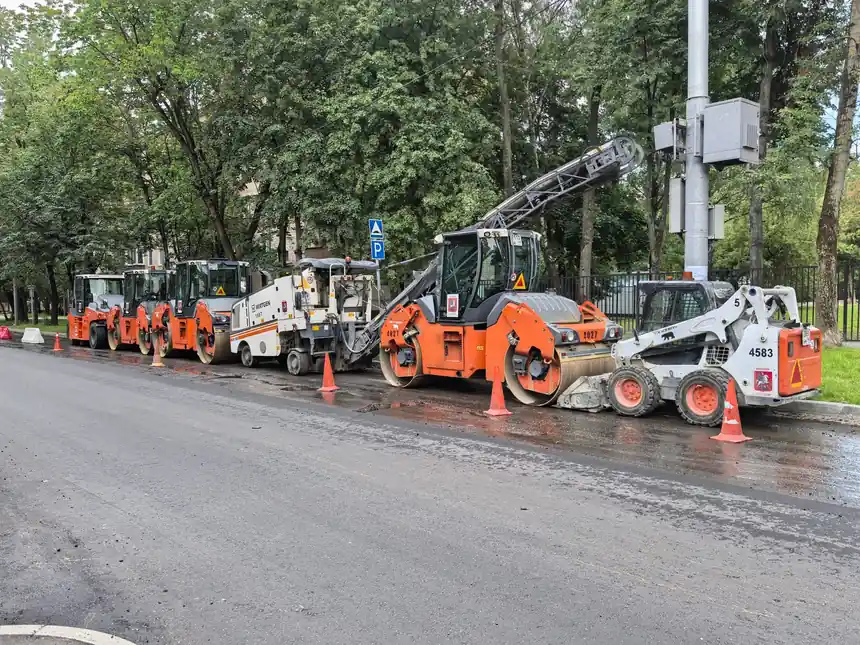
North along US-41 past North Naples, mixing beach-area condos with newer inland subdivisions.
Local coverage and details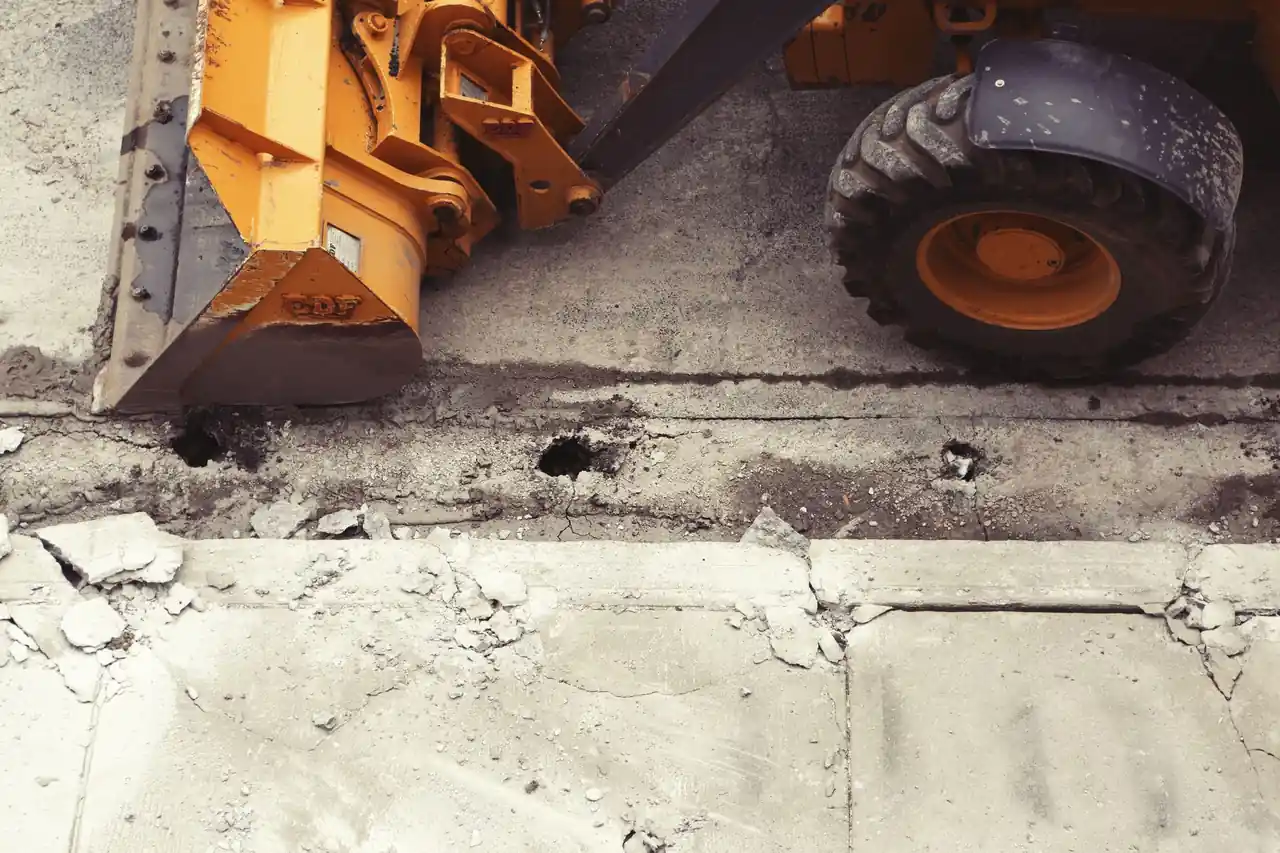
North along the US-41 and I-75 corridor, where fast-growing villages add new laterals every month.
Local coverage and details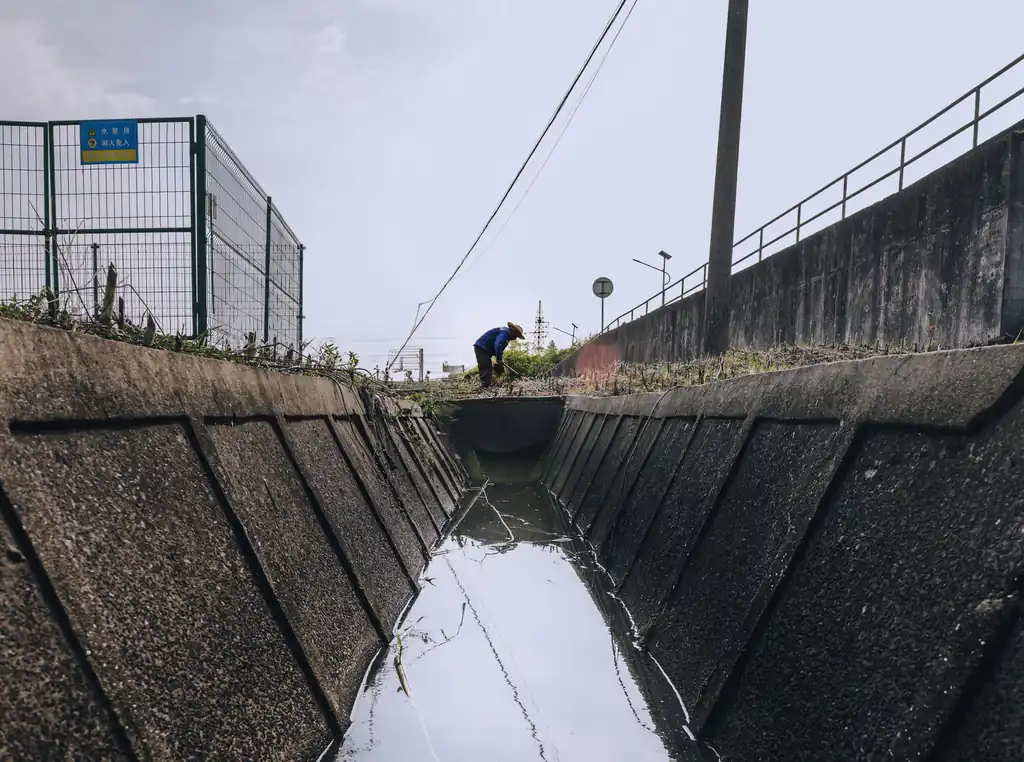
Further north in Lee County, with older condo buildings and neighborhoods whose aging pipe matches Pelican Bay's.
Local coverage and detailsSewer line repair in Pelican Bay usually involves an association as well as a homeowner, so the questions have to cover coordination, not just plumbing. A strong contractor answers these five with specifics, shows footage and paperwork, and talks about the building, not just the pipe. A weak one skips straight to the quote. Use these on every bid in Collier County. The right answers name methods and show paperwork; the wrong ones promise outcomes. Bring this list to every estimate and every board discussion.
Condo and HOA work lives or dies on coordination: access approvals, work windows, elevator reservations. A contractor who expects you to relay everything to the manager is outsourcing the hardest part to you. Direct coordination should be standard, not a favor.
Boards approve what they can see. Footage with distance markers turns a vague repair request into a precise scope with a fixed price, which is what gets approved quickly. A contractor who cannot produce video is asking the board to buy blind.
The answer should be trenchless-first: lining through existing access, bursting from exterior pits. Any plan that starts with opening walls or cutting slab in a Pelican Bay building should trigger a second opinion. Demolition is sometimes necessary, but it is never the first option.
Liner manufacturers publish long design lives, but the contractor's own installation warranty is what you claim against. Get the term, what voids it, and how claims work, in writing, before the board votes. Verbal warranty promises do not survive a dispute.
Underground work invites growing quotes, and condo jobs add the question of who pays: owner or association. A fixed written scope answers both before work starts. Anything open-ended on price or billing should pause the project until it is nailed down.
Typical 2026 costs in Pelican Bay: $189 to $349 for a camera inspection, $600 to $2,500 for a spot repair, $8,000 to $17,000-plus for full trenchless lining or pipe bursting. Excavation runs $12,000 to $75,000-plus before interior restoration, which is why trenchless dominates in condos and luxury homes. The camera sets the real number, since footage length and access move every quote.
The association's documents decide, so get the answer in writing from your property manager first. As a rule of thumb, piping in common areas and shared branch lines usually falls to the association, while pipe serving only one unit usually falls to the owner. A camera inspection with distance markers shows exactly where the failure sits, which settles most disputes fast.
Yes. Sectional CIPP lining installs through existing access points during the association's approved work windows, usually completing in one day. No unit interiors are opened and no walls are cut. Residents are notified through the usual channels, and the only sign of the work is the crew's equipment in the service area. The liner carries a 50-year design life per ASTM F1216, documented for the building records.
Most trenchless jobs finish in one day. A sectional liner for a condo branch line or a full CIPP liner for an estate lateral is installed and cured in a single visit, with pipe bursting taking one to two days. Association approval and Collier County permitting can add days before work starts, so the camera inspection usually happens on a separate earlier visit.
Yes. The office coordinates access, work windows, and staging with the property manager when the job is booked, and provides the written scope and camera footage the board needs for approval. Managers get schedule updates in writing, and final documentation goes to the association's records. One point of contact covers the whole job. That coordination is included in every Pelican Bay condo project.
Not seeing your question? Our local team can help you understand urgency, scheduling and what to expect.
Ask the local team
Ready when you are. Call (239) 448-0271 weekdays between 8am and 6pm and you will reach someone who can schedule a camera inspection or talk through what your drains are doing. For emergencies, describe the backup or odor and we will tell you what to do right now. Our office sits at 1274 13th St N in Naples, and we run service calls across Collier County daily.