Focused arrival windows
Useful updates and clear arrival timing.
Sewer Line Installation in Naples covers new sewer laterals for new construction, home additions, teardowns, and full replacements where repair no longer makes sense. Every installation starts with a plan: route, depth, grade, pipe material, and permits. Then the line goes in with new PVC or HDPE, verified on camera before backfill. For Naples, FL builders and homeowners, a correctly installed lateral means decades without a single backup call. Call (239) 448-0271 to plan your installation.
Useful updates and clear arrival timing.
Review the approach and price before deciding.
Equipped vehicles and respectful cleanup.
Neighbors serving neighbors with follow-through.
Sewer line installation is a complete project service, from the first site walk to the final camera footage. The quote covers the full scope: planning, permits, materials, labor, inspections, and restoration. There are no separate trades to coordinate and no phases left for someone else. What the site evaluation finds beyond the planned scope, such as unexpected utility conflicts, is flagged before work starts, so the project price is the project price.
A site walk that establishes the route, depth, grade, tie-in point, and utility conflicts, documented in a written plan. The flat project price is set from this evaluation, so the quote reflects your actual site conditions. No two sites are identical, and the plan shows it.
Permit applications filed with Collier County and inspections scheduled at the required stages. The permit timeline is built into the project schedule, and the sign-offs become part of your project documentation. You hold copies of every approval, and the file transfers with the property at sale.
Schedule 40 PVC or fused HDPE sized to the project, with proper fittings, adapters, and transition couplings. Materials are selected for the soil, depth, and method, and the quote names exactly what is going in the ground. No substitutions happen without your written approval.
Code-required cleanouts at proper intervals and direction changes, plus watertight connections at the house and the street or tank. Every connection is accessible for future maintenance, which is the point of doing it right now. Future maintenance starts from accessible, documented cleanouts.
A full camera run through the finished lateral before backfill, verifying grade, joints, and connections on video. You receive the footage, the inspection sign-offs, and a written summary: the complete documentation package for a new sewer. Keep it with your home's important papers.
Share what is happening and receive a clear next step from the local team.
Sewer Line Installation in Naples is the design and construction of new sewer laterals for new homes, additions, and full replacements, built to grade and code from day one. The work starts with a site evaluation: the route from the house to the city connection or septic tank, the depth required, the grade the pipe must hold, and any utility conflicts. Then comes trenching, gravel bedding, and pipe laying with grade checked joint by joint using a laser level. Connections are made with proper fittings, cleanouts are placed per code, and a final camera run verifies every foot before backfill. It is methodical work, and the method is the quality.
Naples needs steady sewer line installation because the city keeps growing and its older pipe keeps aging out. New construction in Ave Maria and North Naples needs laterals on vacant lots, timed to the builder's schedule. Teardowns in Old Naples replace 1960s cast iron entirely before the new foundation is poured. Additions across Collier County need new branches tied into existing lines at the correct grade. And when an existing lateral is collapsed beyond repair, full replacement is really a new installation through the old path. In each case, the installation is the one chance to get the grade, the materials, and the documentation right for the next fifty years.
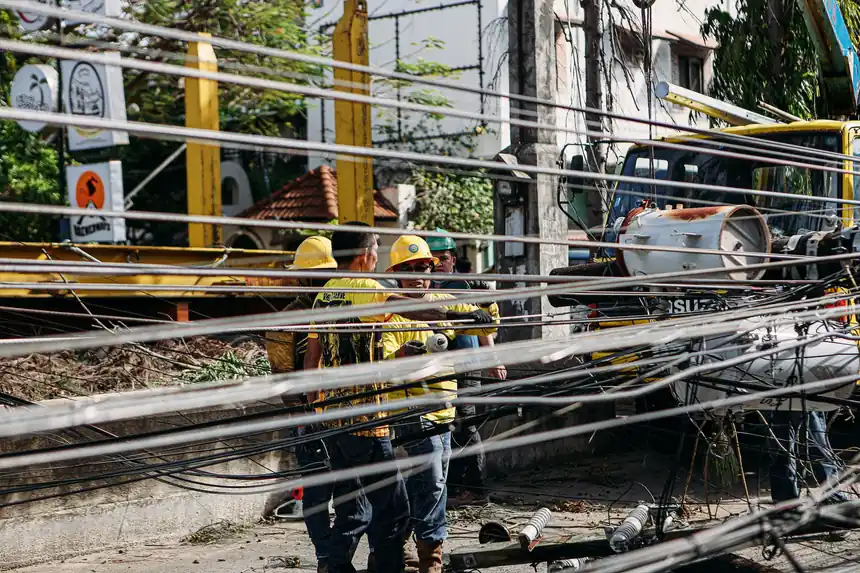
The project starts at the site, not the office. The technician walks the route from the house to the city connection or septic tank, checks utility locations, evaluates soil and water table, and measures the run. The tie-in elevation determines the depth and the grade the pipe must hold. You get a written plan with the route, the materials, the timeline, and the flat price before anything is scheduled.
Permit applications go to Collier County with the site plan, and inspections are scheduled for the key stages: typically the open trench and the final connection. The permit timeline is built into the project schedule, so the digging starts when the paperwork is ready. You are not left coordinating with the building department; that is part of the service.
The trench is excavated along the planned route, with soil set aside for backfill and the work area protected. Gravel bedding goes in the trench bottom, and the grade is set with a laser level before any pipe is laid. Proper bedding is what keeps the pipe at grade for decades in Collier County's sandy soil.
Pipe goes in joint by joint, with grade checked at every connection using the laser. PVC sections are joined with solvent-welded or gasketed bell-and-spigot joints; HDPE is fused into continuous runs. Cleanouts go in at required intervals and direction changes, and the house and street connections are made with proper fittings.
The county inspector examines the open trench installation, then the camera runs the full lateral to verify grade, joints, and connections on video. Only after both pass is the trench backfilled in compacted lifts and the surface restored. You receive the footage, the inspection sign-offs, and a written summary of the installation.
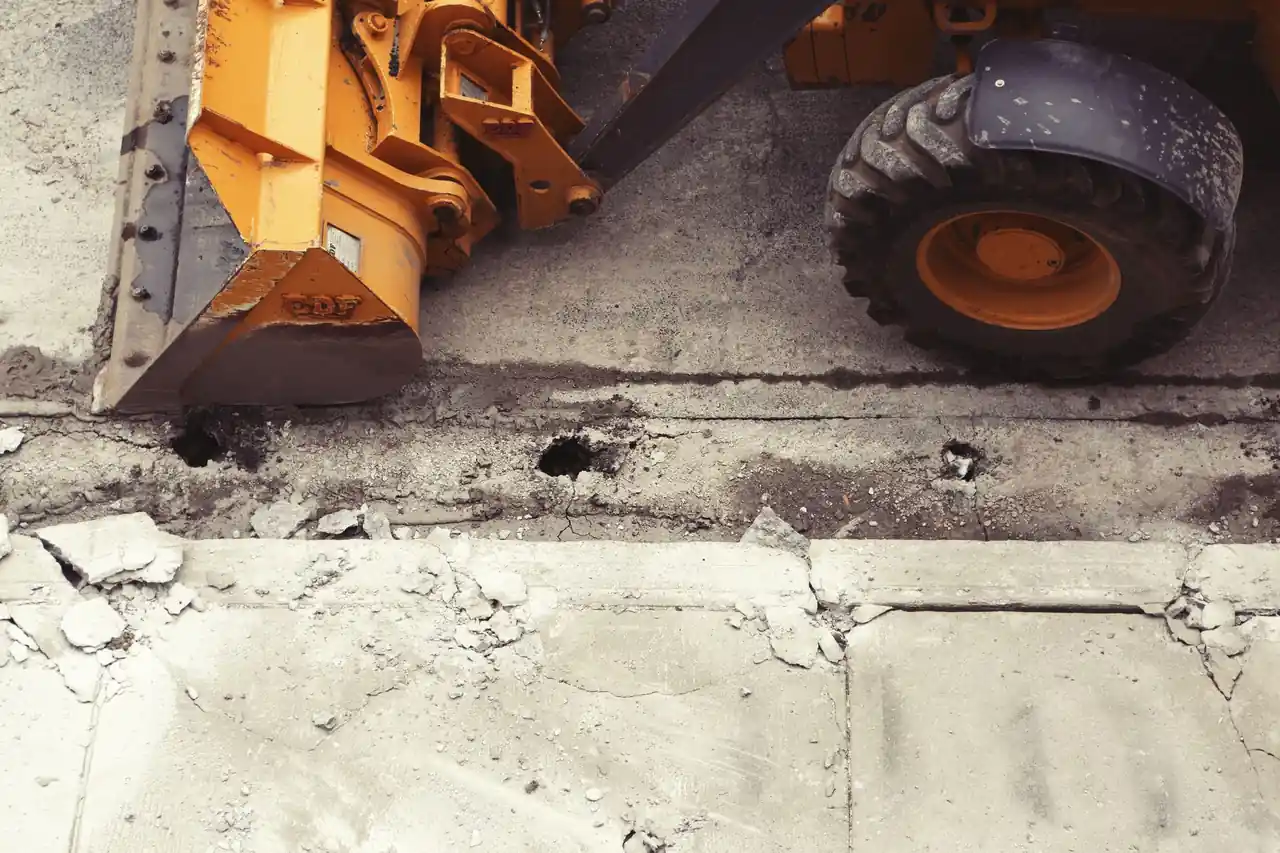
Mechanical excavation for the trench along the planned route, sized to the depth and soil conditions of the site. Trench boxes protect deep cuts.
Establishes the design grade across the trench so every pipe joint is set to the correct slope before assembly. Grade errors show up immediately.
The standard new-lateral material: rigid, durable, root-resistant at properly assembled joints, and familiar to inspectors everywhere in Florida, including Collier County.
High-density polyethylene pipe with a heat-fusion unit that joins sections into a continuous, jointless run with no weak points ever.
Compacted stone bed under the pipe that holds grade in sandy soil and protects the pipe from settling and point loads.
Waterproof camera that verifies grade, joints, and connections on the finished installation before the trench is backfilled and documented for the owner.
The standard installation method: an open trench along the planned route, with the pipe laid to laser-set grade on gravel bedding. Used for new construction, teardowns, and replacements where surface access is available. The trench stays open only as long as needed, and the pipe is bedded the same day it is laid.
A rotating laser level establishes the design grade, and every joint is checked against it before the next section goes in. This is the quality control that prevents bellies and flat spots for the life of the line. Bellies are designed out, not discovered later.
PVC joints are assembled with solvent cement or gasketed bell-and-spigot connections per the pipe specification. Proper joint assembly is what keeps the line watertight and root-resistant for decades. A bad joint leaks from day one, and a good one never does. The difference is technique, not luck.
HDPE pipe sections are heat-fused into a single continuous run with no joints at all. Used for trenchless installations and anywhere a jointless line is worth the premium. The fusion joint is stronger than the pipe wall itself, and the run has no bellies by construction.
New installations are tested and inspected before backfill: the county inspection of the open trench plus a full camera run. Defects found at this stage are fixed in minutes; defects found later cost thousands. The camera footage becomes part of the project file.
The lateral is designed from the approved plans, permitted with Collier County, and installed in two days: trenched, bedded, piped to laser grade, inspected, and camera-verified. The inspection sign-off arrives before the concrete trucks do. The builder has one less trade to chase. The builder pours the foundation on schedule, the lateral passes inspection the first time, and the buyer gets a documented new sewer with the home.
The old line is abandoned and a new 4-inch PVC lateral is installed across the open lot at proper grade. With no slab in the way, the work is fast and the cost is at its lowest. Camera footage documents the new line for the builder's records. The new home starts life with a fifty-year sewer, and the old cast iron is a non-issue before the first wall goes up.
A new PVC branch is trenched from the addition to the lateral, tied in with proper fittings at correct grade, and fitted with a cleanout. The camera runs from the new toilet to the street, verifying the entire drainage path before backfill. The guest suite drains as designed, the inspection passes, and the homeowner never thinks about the sewer again. The suite adds real value to the home.
The failed line is replaced by open trench through the yard, following the camera-mapped route of the old pipe. New PVC goes in at proper grade with cleanouts, the trench is compacted in lifts, and the camera verifies the finished installation. The recurring emergency ends, the yard is restored, and the line has a full lifespan ahead of it. The yard is restored within the week.
Sewer Line Installation in Naples, Florida follows the county's growth patterns. Ave Maria and North Naples produce the new-construction laterals: vacant lots, builder timelines, and inspections scheduled around the foundation pour. Old Naples and Park Shore produce the teardowns, where a 1960s cast iron lateral gets replaced entirely before the new home goes up. Additions across the city need new branches tied into existing laterals at proper grade. Collier County typically requires permits and staged inspections for this work, and the inspection rhythm shapes the schedule: trench open, pipe laid, inspector out, then backfill. The sandy soil digs easily but demands proper bedding and compaction, and near-coastal lots can hit groundwater that requires dewatering. For anyone planning sewer lateral installation in Naples, the local rule is simple: plan the grade, pull the permit, verify on camera, then backfill. Skip any of those steps and the installation is just a buried guess.
New-construction town where vacant-lot laterals are installed on builder timelines, coordinated with foundation schedules. Laterals are timed to the builder's critical path.
Growth corridor mixing new builds and additions, where new branches tie into existing laterals at proper grade. The camera verifies each tie-in before backfill.
Teardown lots where failed cast iron is replaced entirely before new construction begins, with inspections before the slab. Open lots make these the most straightforward installs.
Established area where full replacements of aging lines run through long yards to the street connection. Precise routing keeps the trench through the yard efficient.
Collier County sand makes trenching fast and affordable, but pipe cannot sit directly on shifting sand. Every installation gets proper gravel bedding and compacted backfill in lifts, which is what keeps the grade true for decades.
Waterfront and near-coastal properties in Naples can hit groundwater at shallow depths. Dewatering during trenching keeps the work area dry enough for proper joint assembly and inspection, and it is quoted up front when the site evaluation flags it.
Open trenches and afternoon downpours do not mix. Installations scheduled in rain season are planned around weather windows, with trenches opened and closed the same day wherever possible to avoid a flooded excavation.
A custom home builder in Ave Maria needed a sewer lateral for a new 2,400-square-foot home on a vacant lot. No existing line, no tie-in point yet, just a tap location at the street provided by the utility. The lot was clear and ready for trenching.
The 110-foot lateral went in over two days: laser-set grade, Schedule 40 PVC, two cleanouts, and a camera verification before backfill. The county inspection passed on the first visit. The builder closed out the plumbing rough with zero punch-list items.
Maintenance: The new PVC lateral needs no maintenance beyond normal use. The builder filed the camera footage and inspection sign-off with the home's warranty documents for the buyer. The buyer never worries about the sewer.
An Old Naples teardown kept nothing but the lot. The 1962 cast iron lateral underneath was crushed in places and undersized for the new 4-bedroom home going up. The builder wanted the sewer handled before the foundation was poured. Access was wide open.
The new 4-inch PVC lateral went in at proper grade with fused joints at the connections, two accessible cleanouts, and camera documentation. The inspection passed, the trench was compacted in lifts, and the new slab was poured over a line built to last.
Maintenance: With new PVC at correct grade and no joints for roots to invade, the line needs only normal care. A camera check at the five-year mark confirms everything is holding. The fused joints need no attention in between.
A North Naples homeowner added a guest suite with a full bathroom, but the existing 1970s lateral ran fifteen feet from the new bathroom group. The old line could not legally or practically serve the addition without a new branch.
The new bathroom group tied into a freshly installed PVC branch at proper grade, connected to the existing lateral with shielded couplings. The camera ran from the new toilet to the street, verifying the entire path. The addition's plumbing passed inspection the first time.
Maintenance: The new branch is documented on camera with the rest of the lateral. Normal use and the occasional jetting keep the addition draining as designed for decades. An annual visual check of the cleanouts takes minutes.
Sewer Line Installation in Naples solves the problems that repair cannot: situations where there is no existing line to fix, or the existing line is beyond any repair. These are the projects where new pipe is the only answer. Each one below is a case where repair is not an option and installation is the correct, permanent answer. The camera or the site plan makes that clear before any work begins.
Without a lateral, the house cannot be occupied. The sewer has to be planned early because it affects the foundation schedule and the final grade of the lot. The lateral is designed from the approved plans: route, depth, grade, and tie-in point at the street or tank. Trenching, bedding, pipe laying, and connections happen on the builder's timeline, with inspections scheduled around the foundation. The camera verifies the finished line before backfill, and the builder gets full documentation.
An addition without proper drainage is unusable space. Tying into an old line at the wrong grade guarantees chronic problems in the new bathroom from day one. A new branch is designed from the addition's fixtures to the existing lateral, sized and graded correctly. The tie-in uses proper fittings and shielded couplings, and the camera runs the full path from the new fixtures to the street. The addition drains as designed, and the inspection passes the first time.
Building a new home over a failed 1960s lateral means inheriting every problem the old pipe had, usually discovered after the slab is poured. The old lateral is abandoned or removed and a completely new line is installed to serve the new home: correct diameter, correct grade, modern materials. The work happens before the foundation, when access is wide open and the cost is lowest. The new home starts with a fifty-year sewer.
A collapsed or undersized lateral cannot be lined or spotted into service. Continuing to repair it wastes money on a pipe with no future. Full replacement through the old path, by open trench or pipe bursting, installs a brand-new line where the failed one was. The camera maps the old route first, so the replacement follows the proven path. What was a recurring emergency becomes a new installation with a full lifespan ahead.

Sewer installation is excavation, plumbing, and surveying in one job, and weakness in any of the three shows up for decades. Grade control is the core skill: a laser level, a story pole, and the patience to check every joint before it is buried. Material selection matters too, matching PVC or HDPE to the soil, the depth, and the installation method. Code familiarity keeps the permits and inspections moving without rework. And coordination with builders and other trades keeps the sewer on schedule instead of holding up the foundation. That combination comes from local experience installing lines in Collier County soil and under Collier County inspection.
New sewer lateral installation in Naples typically runs $3,000 to $12,000 for a standard residential run, which reflects typical 2026 pricing in the area. Length is the biggest factor: a 60-foot run to the street costs far less than a 200-foot run. Depth, soil conditions, and surface restoration move the number, as do permit and inspection fees. Full replacements under existing slabs run higher, from $12,000 to $75,000 or more depending on excavation complexity. Every installation is quoted flat from the site evaluation before work begins.
Schedule 40 PVC is the standard for new sewer laterals in Naples: affordable, durable, root-resistant at glued joints, and familiar to every inspector. HDPE is the premium option, with fused joints that eliminate every potential root entry point along the run, making it ideal for trenchless installations and root-prone properties. SDR-35 is sometimes specified for deeper municipal-style runs. The choice depends on depth, soil, installation method, and budget, and the quote explains the recommendation.
In most cases, yes. Collier County typically requires permits for sewer line installation and replacement, along with inspections at key stages: usually the open trench before backfill and the final connection. The permit process also confirms the tie-in point and any utility conflicts. Reputable contractors handle the permit paperwork and schedule the inspections as part of the project, so you are not navigating the building department alone.
Most residential installations finish in one to three days of on-site work. A straightforward new lateral on a clear lot can be trenched, piped, inspected, and backfilled in a single day. Longer runs, deep excavations, high water tables requiring dewatering, and complex tie-ins stretch the timeline. Permit processing happens before the digging starts and is scheduled around it. You get the timeline in writing with the quote, before any equipment arrives.
Not seeing your question? Our local team can help you understand urgency, scheduling and what to expect.
Ask the local team
Not every failed line needs full replacement, and the camera makes the call. When the existing pipe is a candidate for trenchless renewal, lining or bursting costs less than new installation. Installation is the answer when the line is gone, undersized, or being built new.
View service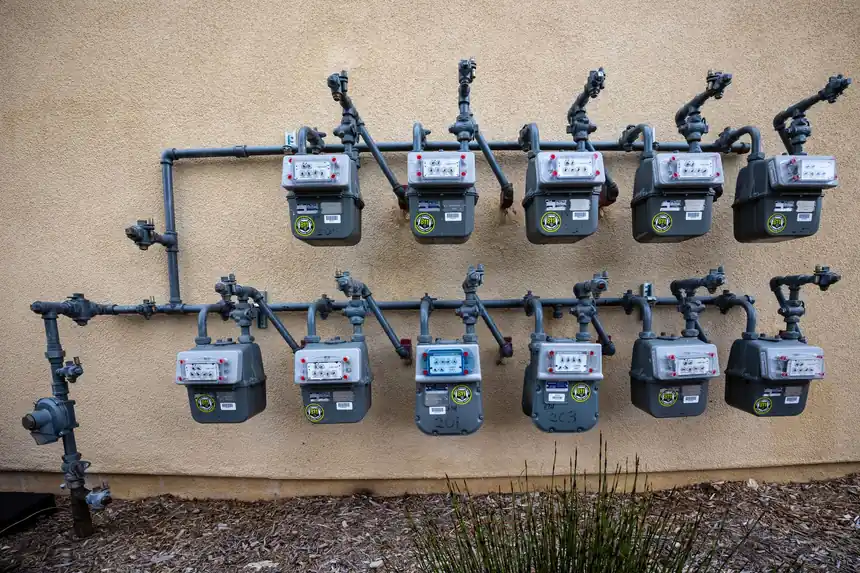
Full replacement of a failed lateral is a sewer line installation through the old path. When repair methods cannot save the existing pipe, replacement installs a brand-new line with modern materials, correct grade, and full documentation. It is installation work, not a patch.
View service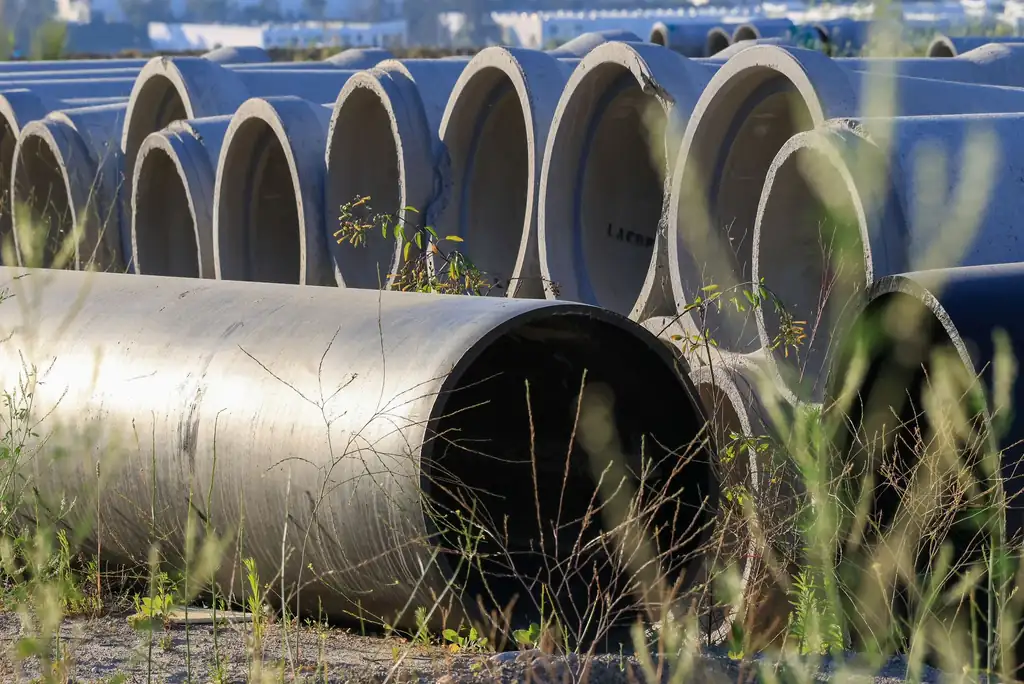
CIPP lining renews an existing pipe from the inside, which is the alternative to digging it up and installing new. Lining wins when the old pipe holds its shape; installation wins when it does not, or when the line needs upsizing.
View service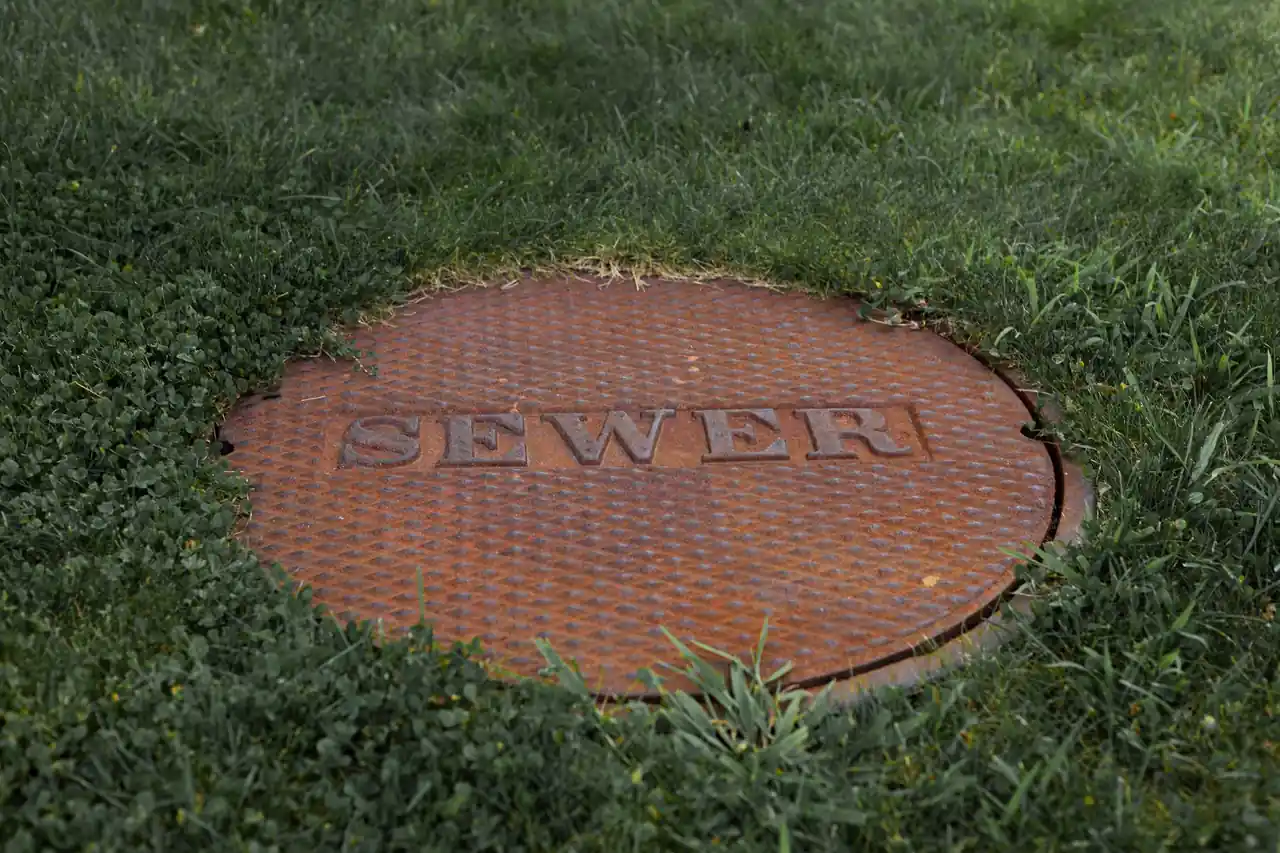
Pipe bursting is a trenchless installation method: it fractures the old pipe outward while pulling new HDPE through the same path. For replacements under driveways and landscaping, bursting installs the new line with minimal digging. The bursting run follows the camera-mapped path of the old line.
View service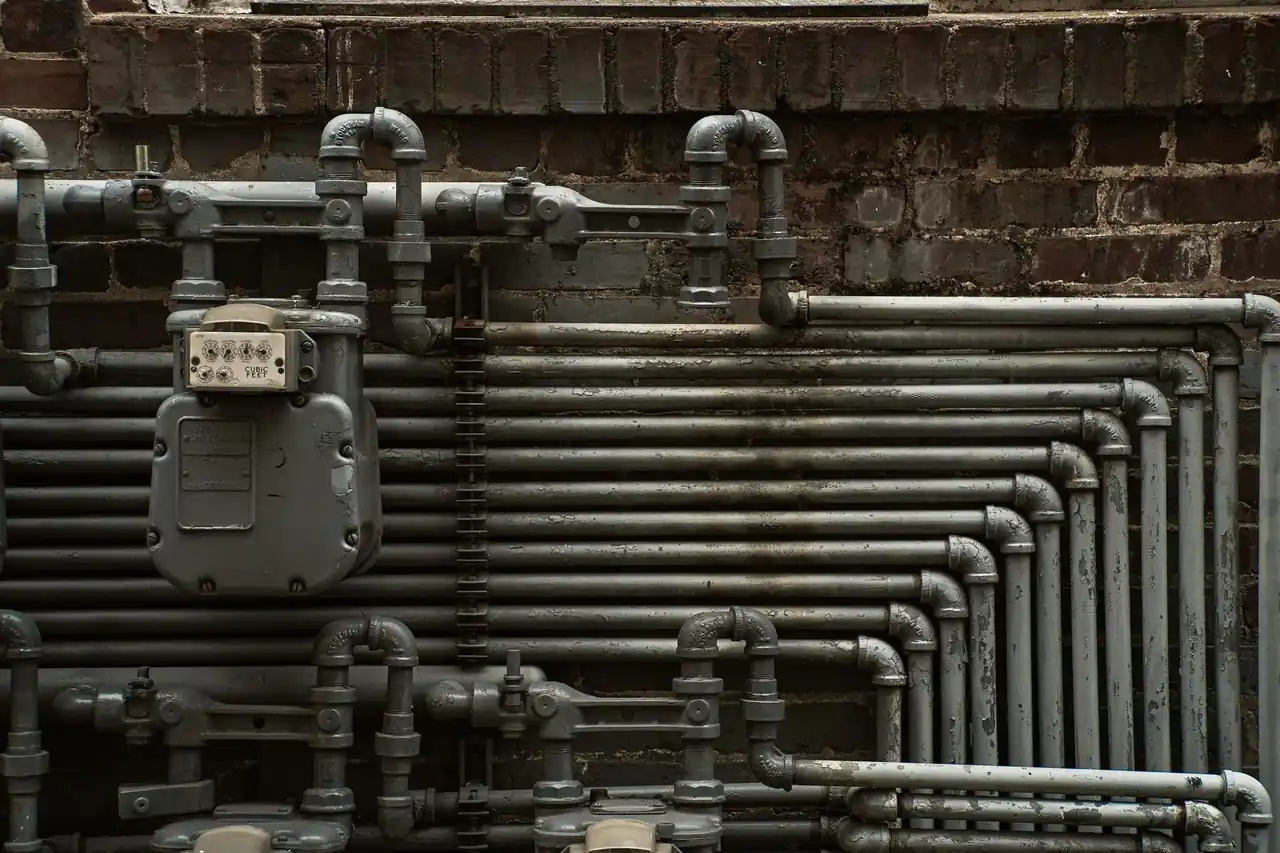
Ready when you are. Call (239) 448-0271 weekdays between 8am and 6pm and you will reach someone who can schedule a camera inspection or talk through what your drains are doing. For emergencies, describe the backup or odor and we will tell you what to do right now. Our office sits at 1274 13th St N in Naples, and we run service calls across Collier County daily.