Focused arrival windows
Useful updates and clear arrival timing.
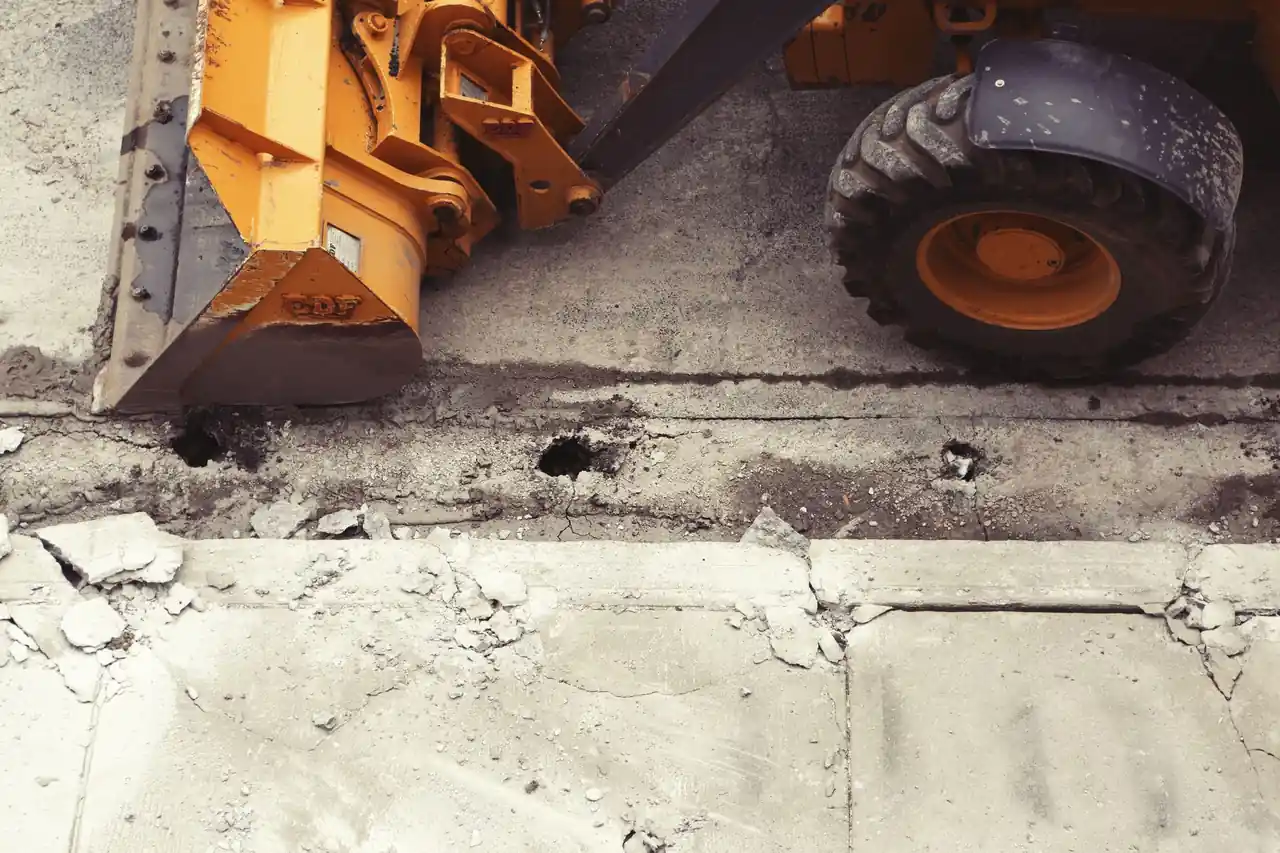
Sewer Line Replacement in Naples becomes the answer when a pipe is too damaged for lining or spot repair: collapsed sections, chronic bellies, or cast iron that has rusted past the point of rehabilitation. Replacement can be done trenchless with pipe bursting or by open excavation, and the two methods differ wildly in cost and disruption. Here is how to tell which one your pipe needs.
Useful updates and clear arrival timing.
Review the approach and price before deciding.
Equipped vehicles and respectful cleanup.
Neighbors serving neighbors with follow-through.
A replacement project is quoted as a complete job: permits, installation, restoration, and proof. Here is the scope and what would be priced separately.
Collier County permits pulled before work starts, plus private utility locates along the full pipe path. Unmapped irrigation and pool lines are the usual surprises this step prevents.
New HDPE by bursting or Schedule 40 PVC by excavation, run from the house connection to the city main or septic tie-in. Diameter matched to the home's needs, with upsizing available.
New pipe laid on compacted bedding at 1/8 to 1/4 inch per foot of slope, verified at every joint. Grade is what keeps the new line draining for decades, and it is checked, not assumed.
Access pits or trenches backfilled in compacted lifts, with surfaces restored to match. For bursting jobs this is two small pits; for excavation it is the full trench line.
Recorded inspection of the finished line documenting diameter, length, material, and grade, delivered with a written summary for your records and resale disclosure.
Share what is happening and receive a clear next step from the local team.
Sewer Line Replacement in Naples is the complete removal and renewal of a failing sewer lateral, from the house connection to the city main or septic tie-in. It is different from repair: repair fixes sections of a pipe that still has structural life left, while replacement starts over with new pipe rated for decades. The replacement happens by one of two methods. Pipe bursting pulls new HDPE pipe through the old line's path from small access pits. Open excavation digs a trench along the full run, removes the old pipe, and lays new pipe in the open cut.
Most replacement jobs in Collier County start the same way: a camera inspection shows the pipe is beyond lining. Common triggers in Naples include collapsed clay or Orangeburg sections in 1960s homes, cast iron under slab that has rusted through along the bottom, and repeated bellies where the soil has settled and the pipe has lost grade. Rain season makes these failures visible fast, because saturated soil pushes into broken pipe and backs the whole system up. A typical inspection runs $189 to $349 and shows exactly which method the situation allows.
The lateral is camera-inspected end to end and the footage is recorded. The crew marks the line's path, depth, and every utility crossing on the surface. In Naples, FL, this step also checks for the common deal-breakers: collapsed sections that rule out lining, and grade reversals that rule out any repair short of replacement.
If the pipe path is clear and the soil allows it, pipe bursting is proposed: two small pits, one to two days, minimal surface damage. If the line runs under a pool, a structure, or a maze of utilities, open excavation may be the only option. You get both options priced with the trade-offs explained, not just the one the crew prefers.
Collier County requires permits for sewer lateral replacement, and the crew pulls them before digging. Private utility locates mark gas, electric, water, and irrigation lines along the run. In older Naples neighborhoods, unmapped irrigation and pool plumbing are common surprises that the locate step is designed to catch.
For bursting, the rig fractures the old pipe and pulls new HDPE through in a single run, usually 4 to 8 hours of pulling for a residential lateral. For excavation, the trench is dug, the old pipe removed, new pipe laid on compacted bedding with correct grade, and connections made at both ends. Most residential replacements finish in one to three days of active work.
Trenches are backfilled in lifts and compacted to prevent future settling, and surfaces are restored. A final camera run records the new pipe end to end, documenting diameter, length, material, and grade. You receive the video and a written summary for your records and for resale disclosure.
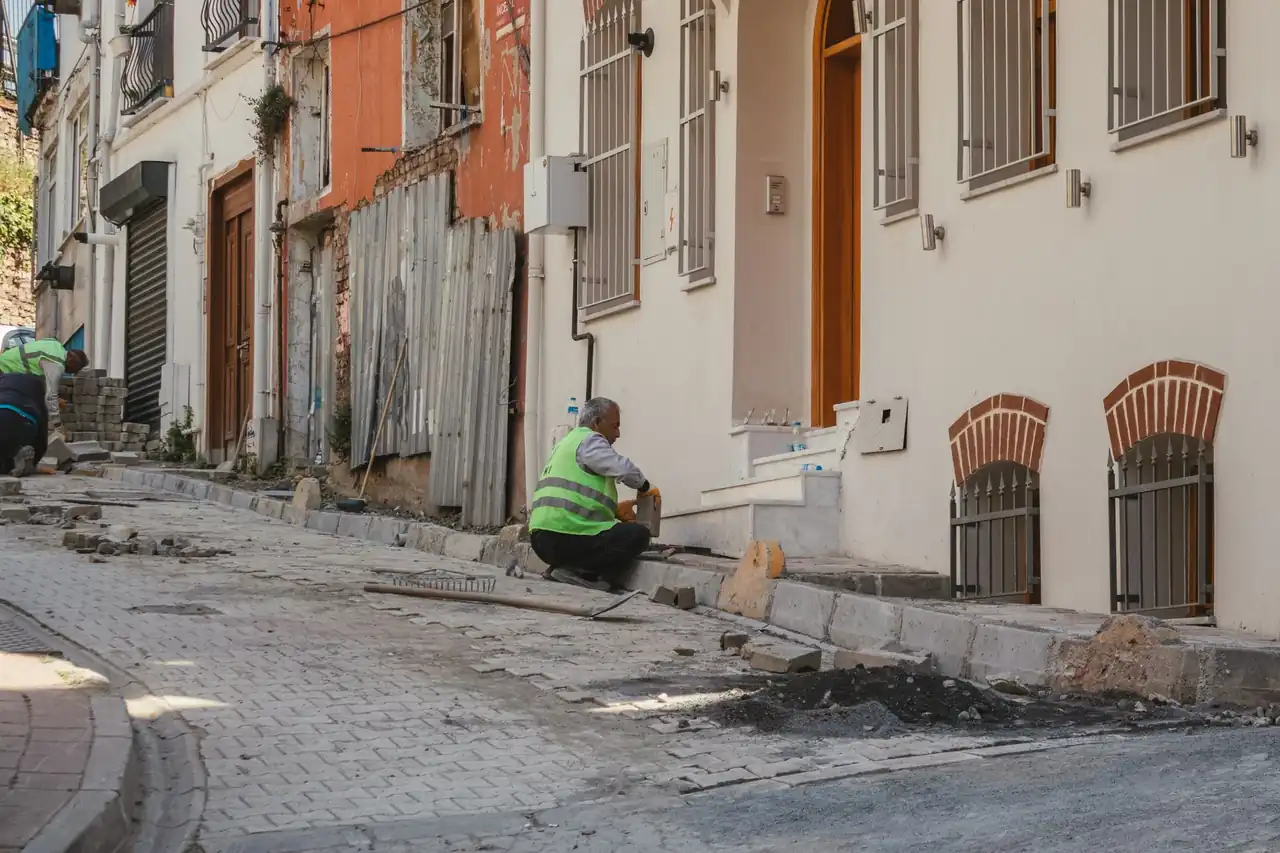
Maps the full lateral with recorded video and marks defect locations on the surface, which is how the crew decides between repair and replacement.
Hydraulic puller and expander head that fracture the old pipe outward while drawing new SDR-17 HDPE pipe behind it in one continuous run.
Digs access pits and open trenches, with shoring boxes that keep loose Florida sand from caving on the crew during excavation work.
Handle the high water tables common near the Naples coast, keeping pits and trenches workable during excavation and pipe laying.
Verify new pipe slope at every joint during installation, holding the 1/8 to 1/4 inch per foot grade that gravity drainage requires.
Backfills trenches in lifts and compacts each one, preventing the settling and sinkholes that follow poorly compacted sewer trenches.
The trenchless replacement method. An expander head is pulled through the old line, breaking it apart and displacing fragments into the soil while new HDPE pipe follows directly behind. Two small pits, one to two days.
The full run is excavated, old pipe removed, and new Schedule 40 PVC laid on compacted bedding at verified grade. Required when the line runs under structures or the pipe path cannot be burst.
Bursting can pull a larger diameter pipe than the one it replaces, typically 3-inch to 4-inch on older Naples homes. The larger bore is sized to the home's fixture count.
When only part of the lateral is finished, that section is replaced and tied into the sound remainder with code-approved transition couplings, verified on camera.
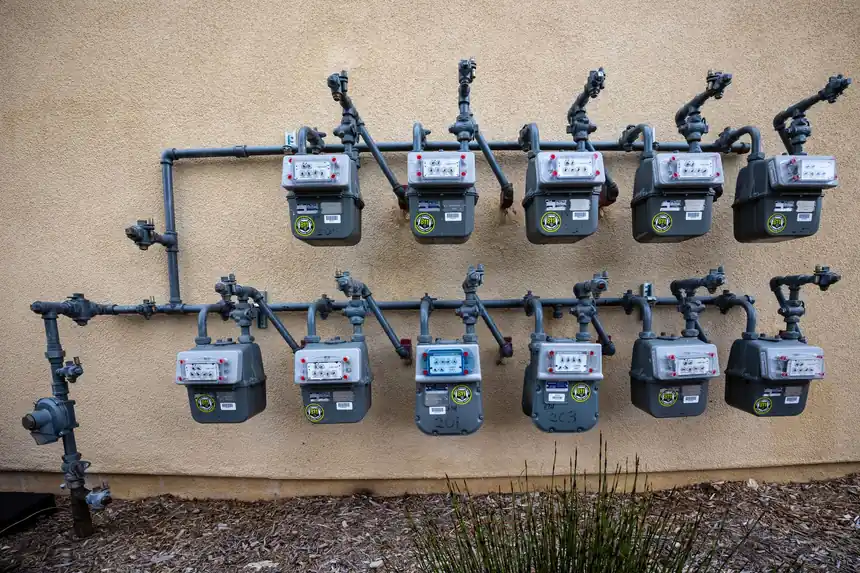
Lining is ruled out because the pipe has lost its shape. Pipe bursting pulls 70 feet of new 4-inch HDPE through the old path from two small pits at the yard edges. Full flow restored in two days. The lawn between the pits is untouched, and the new fused pipe has no joints for roots to invade.
A camera check confirms the pipe path is clear and the soil allows bursting. The crew bursts the full run from exterior pits, never touching the slab or the original tile floors. Project completes around $15,000 instead of $60,000-plus, finished in two days, with zero interior disruption.
The camera shows the old line is undersized but the path is sound. Bursting pulls 4-inch HDPE through the existing 3-inch path, upsizing capacity in the same operation. Backups stop because the line can now carry the home's actual flow. One project solves both the age problem and the capacity problem.
Open excavation would destroy the driveway. Bursting runs the new pipe underneath it from pits on either side, and the pavers are never lifted. New lateral installed with the $12,000 driveway intact. Total project cost stays in the trenchless range instead of doubling with restoration.
Sewer replacement in Naples is governed by the age of the housing stock and the behavior of the ground. Homes built from the 1960s through the early 1980s across Golden Gate, East Naples, and the older beach corridors are hitting the end of their original laterals at the same time: clay pipe cracking, Orangeburg deforming, and cast iron rusting through. The sandy soils of Collier County dig easily but cave easily, so every open trench is shored and every pit near the coast is dewatered. Rain season, June through November, saturates the ground and can add a day to excavation schedules, which is why fall and winter are the most efficient months to schedule a replacement. Permits run through Collier County, and the crew schedules the inspection of the open pipe before backfill, which is standard practice and protects the homeowner.
1960s and 1970s homes with long laterals to the street. Bursting is the standard replacement here because the runs are long and the yards are wide enough for pit placement.
Finished homes where slab cutting is prohibitively expensive. Bursting from exterior pits replaces cast-iron laterals without touching interiors.
Mix of older ranches with clay and Orangeburg laterals. Collapsed sections are common, which rules out lining and makes bursting or excavation the answer.
High water table near the coast means dewatering during any excavation. Trenchless bursting avoids the deep open dig entirely on most jobs.
Remodeled homes where the original 3-inch lateral cannot serve the added bathrooms. Replacement doubles as an upsizing project.
The 1960s to 1980s housing stock is failing on schedule. Clay cracks, Orangeburg ovals and collapses, and cast iron rusts through, and each material pushes the decision toward replacement rather than repair.
Open trenches need shoring and often dewatering, which adds days and cost to excavation. This is a major reason bursting wins the cost comparison on most Naples residential jobs.
Saturated ground slows excavation and can delay a project by a day. Fall and winter scheduling avoids the heaviest rain and keeps the job on its timeline.
Decades-old yards, paver driveways, and pool decks make open trenches expensive to restore. Bursting under them from small pits preserves tens of thousands in restoration costs.
A 1966 home had two collapsed clay sections blocking all flow. Sewage backed into the tub every time the washing machine drained, and jetting cleared it for only a week at a time.
Pipe bursting pulled 70 feet of new 4-inch HDPE through the old path in two days. Flow restored the day the pull finished, the lawn stayed intact, and the project totaled $14,200.
Maintenance: New HDPE needs no cleaning schedule. A camera check at year five confirms grade and connections are holding.
An Old Naples homeowner was quoted $60,000-plus to cut the slab and replace rusted cast iron by hand, including new tile throughout the affected rooms.
Bursting replaced the full 62-foot run from two exterior pits. The slab, tile, and walls were never touched. Completed in two days for $15,800 with the $249 inspection credited.
Maintenance: The fused HDPE line has no joints to maintain. Keep the final camera video with the home's records for resale.
A remodeled home with two added bathrooms backed up weekly through its original 3-inch lateral. The pipe was sound but simply too small for the fixture count.
Bursting pulled 4-inch HDPE through the 3-inch path, increasing capacity by about 75 percent. Backups stopped immediately, and the project finished in a single day at $11,500.
Maintenance: No maintenance beyond normal use. The larger diameter actually reduces the chance of future blockages.
Some pipe conditions are beyond repair. Lining a collapsed pipe or a line with reversed grade wastes money. Replacement is the honest answer for these.
A collapsed section cannot be lined because the liner has no round pipe to form against, and it cannot be jetted open for long. Pipe bursting fractures the collapsed section outward and pulls new HDPE through in the same operation. The line is rebuilt to full diameter with correct grade, and flow is restored the day the pull finishes.
Bellied sections hold wastewater and solids, causing chronic slow drains and backups that return within months of any cleaning. Replacement re-establishes continuous grade along the full run. Bursting pulls straight new pipe through the old path, or excavation lays new pipe on compacted bedding at the designed slope.
Bottom-side corrosion turns the pipe into an open channel. Wastewater leaks into the soil, soil washes into the pipe, and sinkholes can form along the lateral. The deteriorated pipe is replaced entirely, usually by bursting from exterior pits so the slab above stays intact. New HDPE or PVC has no corrosion mechanism.
A 3-inch lateral from 1965 cannot reliably serve a home that has added bathrooms and a laundry room since. Fixtures compete for capacity and drains gurgle. Replacement is the chance to upsize. Bursting can pull 4-inch pipe through a 3-inch path, increasing capacity by roughly 75 percent without enlarging the excavation.
Sewer replacement sits at the intersection of plumbing, excavation, and trenchless technology, and it punishes generalists. The crew has to read pipe grade on camera, size a bursting pull to the soil conditions, shore an open trench in loose Florida sand, and set new pipe to grade within an eighth of an inch per foot. Trenchless crews train through NASSCO pipeline assessment programs and manufacturer courses for the bursting and lining systems they run. Open-trench work requires OSHA excavation safety certification and competent-person designation for the trench. In Naples, both methods also demand experience with the local mix: cast iron under slab, clay in the older subdivisions, and high water tables that complicate every deep dig.
Trenchless replacement by pipe bursting typically runs $8,000 to $17,000-plus, or $60 to $250 per linear foot. Open-trench excavation typically runs $12,000 to $30,000 for yard runs, and under-slab jobs in Naples can reach $50,000 to $75,000-plus once concrete cutting and floor restoration are included. Those are typical 2026 ranges; a camera inspection pins down your exact scope.
Trenchless bursting wins when the pipe path is clear: less disruption, faster completion, and lower total cost in most cases. Excavation wins when the line runs under structures, has severe grade problems in multiple spots, or crosses utilities that bursting could damage. About 7 in 10 Naples residential replacements can go trenchless; the camera footage shows which camp your line is in.
Pipe bursting usually finishes in one to two days for residential runs up to 100 feet. Open excavation takes three to seven working days for the pipe work, plus one to three weeks for concrete, flooring, and landscape restoration. Permit processing in Collier County can add several business days before work starts either way.
Pipe bursting needs only two small pits, about 4 by 4 feet each, so the yard, driveway, and landscaping between them stay intact. Open excavation digs a trench along the full run, which means restoring everything above it. If your lateral runs under a new paver driveway or a mature landscape, that difference usually decides the method.
Not seeing your question? Our local team can help you understand urgency, scheduling and what to expect.
Ask the local team
This page. When repair cannot save the pipe, full replacement by pipe bursting or excavation installs a new lateral rated for decades.
View service
The no-dig family of methods, CIPP lining and pipe bursting, that fix or replace sewer lines through small access pits. Many replacements in Naples are completed trenchless, avoiding open trenches entirely.
View service
When the pipe is damaged but still round and holding grade, lining restores it from the inside for less than replacement. The camera inspection shows whether your line qualifies before replacement is quoted.
View service
The trenchless replacement method: the old pipe is fractured outward while new HDPE pipe is pulled into its place. It is the default replacement approach for most Naples residential laterals with a clear pipe path.
View serviceReady when you are. Call (239) 448-0271 weekdays between 8am and 6pm and you will reach someone who can schedule a camera inspection or talk through what your drains are doing. For emergencies, describe the backup or odor and we will tell you what to do right now. Our office sits at 1274 13th St N in Naples, and we run service calls across Collier County daily.