Focused arrival windows
Useful updates and clear arrival timing.
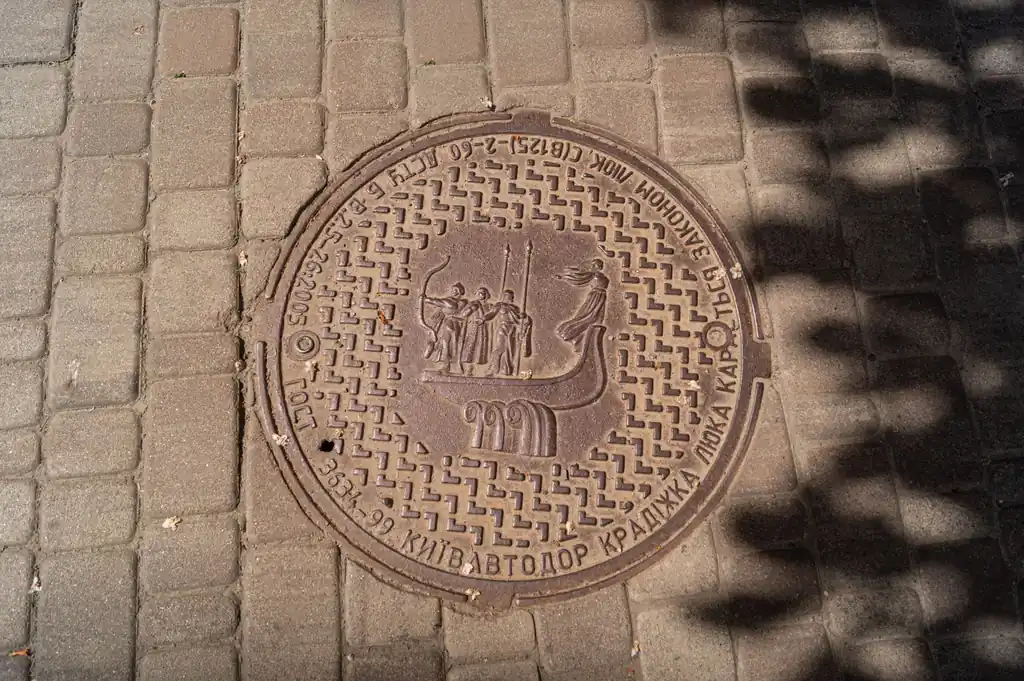
Sewer line repair in Estero means working inside master-planned communities: HOA approvals, common-area laterals, and manicured landscaping that cannot be trenched. Our crews camera every line first, then install CIPP lining or burst in new HDPE through small access pits. Most community jobs finish in a single approved workday. Call (239) 448-0271 for a fixed-price quote with the video to prove it.
Useful updates and clear arrival timing.
Review the approach and price before deciding.
Equipped vehicles and respectful cleanup.
Neighbors serving neighbors with follow-through.
Sewer line repair in Estero is trenchless pipe restoration designed for master-planned communities, fixing failed laterals through small access points instead of open trenches. Estero grew fast and planned: communities like The Brooks and Miromar Lakes run newer PVC laterals, but the edges of town and the older pockets along US-41 still carry clay and cast iron past their prime. Trenchless sewer repair in Estero fits both: lining renews aging pipe without disturbing common areas, and bursting replaces collapsed runs under landscaped entries. Sewer camera inspection in Estero is the step that sorts new-pipe defects from old-pipe failure, because the fix is completely different. Irrigation lines complicate diagnosis here; we verify which line is which before quoting. Lee County permits cover every job, and HOA coordination is handled before the crew arrives, not at the gate. That preparation is why community jobs finish inside a single approved workday, and why property managers hand us the next street over. One call to (239) 448-0271 starts with the camera; the video decides everything after. No guesswork. Estero expects that level of clean execution, and the work matches it.
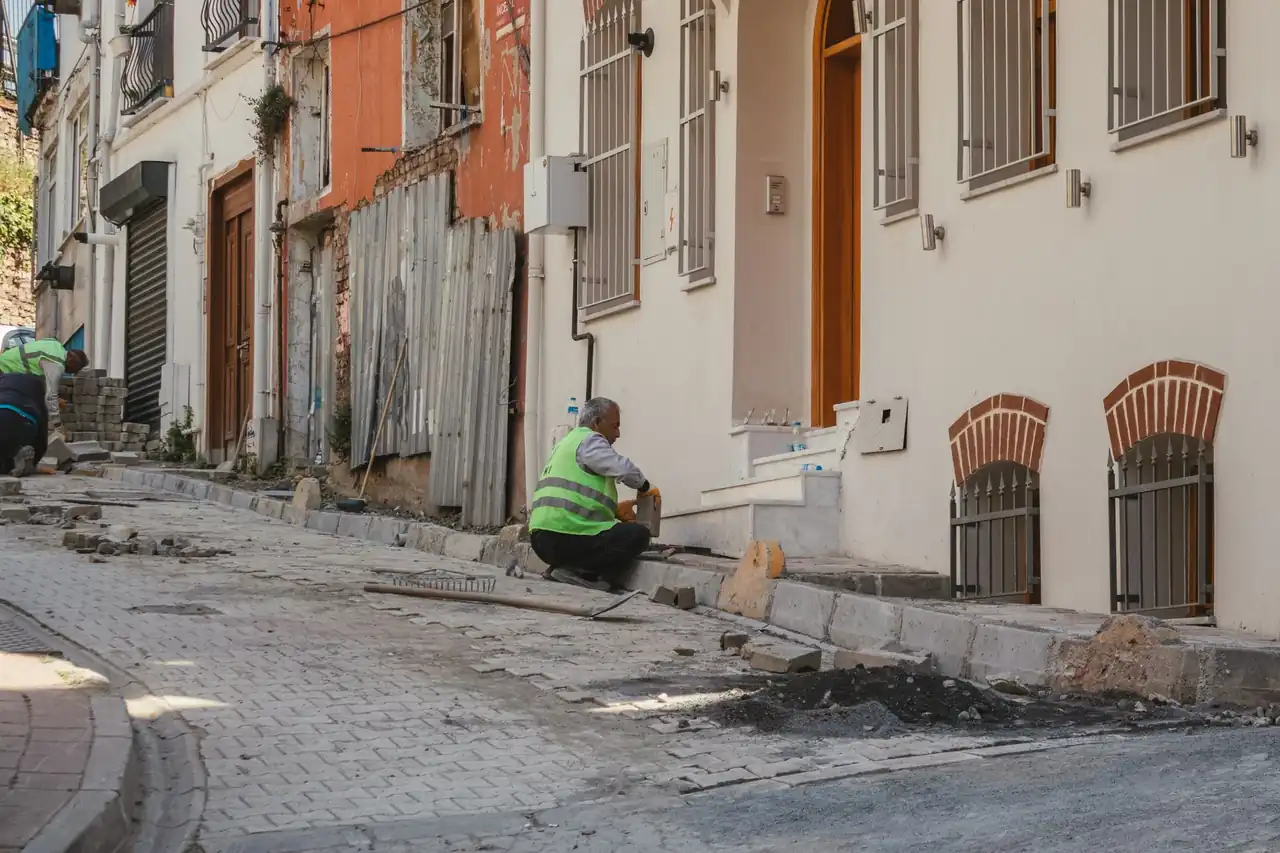
Estero sewer work is community work: HOA approvals, common-area laterals, and landscaping that cannot be disturbed. The pricing question is always how much does sewer line repair cost in Estero for this specific line, answered by camera footage before any number is quoted. Lining and bursting handle most community jobs; edge-area older pipe gets the same trenchless treatment. New installations for growth areas get full trenching and county inspection. Emergency calls get same-week response with jetting and camera on the first truck.
When a community lateral cracks or fills with roots, trenchless sewer repair in Estero renews it through small access pits instead of trenching the common area. A resin liner or bursting head travels the old line's path and leaves new pipe rated for decades. Landscaping, entries, and plantings stay intact. Most community jobs finish inside a single HOA-approved workday.
View service →02Collapsed runs and fully failed sections need full replacement, not lining. Sewer line replacement in Estero usually means pipe bursting: the old pipe's path carries new jointless HDPE pulled in behind a bursting head. Entry and exit pits stay small, which keeps HOA restoration near zero. Lee County permits and inspections are included in every replacement quote.
View service →03Cured-in-place lining builds a jointless pipe inside the old one: resin-soaked felt inverts into the line and cures with hot water or steam in three to four hours. CIPP pipe lining in Estero is the default for cracked clay and cast iron under landscaped areas, because it needs no excavation. The liner seals every joint against roots in one visit.
View service →04Pipe bursting fractures the failed pipe outward while pulling new HDPE through the same path in one pass. In Estero it handles collapsed clay at the town edges and crushed sections under community entries. Runs of 50 to 150 feet finish in a day from two small pits. The fused HDPE has no joints for roots to find.
View service →05A waterproof camera travels the lateral from cleanout to tap while we watch live and record. Sewer camera inspection in Estero does double duty: it locates breaks, bellies, and roots to the foot, and it verifies the line is actually the sewer lateral and not irrigation. Typical 2026 pricing is $189-$349. You keep the video file.
View service →06Hydro jetting scours the line with water at up to 4,000 PSI, cutting root masses and scale that snakes only pierce. Under Estero's mature community landscaping, jetting is the reset that keeps older joints flowing. We jet before filming so the camera shows true pipe condition, and HOAs get the before-and-after video with the invoice.
View service →07Edge-area homes and older pockets still run cast iron that rusts from the bottom up. Cast iron sewer pipe repair in Estero usually means CIPP lining in place: a new jointless interior with no demolition and no trench through the landscaping. Sections that have fully collapsed get a targeted spot repair through one small pit.
View service →08A backup in a planned community affects neighbors, not just one home. Emergency sewer repair in Estero sends a jetter and camera crew to stop the backup first, then diagnose on the spot. We clear the line, film it, and price the permanent fix before leaving. HOA emergency contacts get the video the same day.
View service →09When the camera finds one bad joint in an otherwise sound line, full replacement is overkill. Sewer spot repair in Estero opens a single targeted pit, cuts out the failed section, and splices in PVC with shielded couplings. Typical 2026 pricing runs $600-$2,500. Most spot repairs are permitted, inspected, and backfilled the same day.
View service →Every Estero job starts with HOA coordination, then a sewer camera inspection in Estero to verify the defect. The camera run takes one to two hours: locate the line, confirm it is the sewer lateral and not irrigation, mark depths, and record from cleanout to tap. Community jobs are batched by neighborhood with approvals handled in advance, so crews work inside a single approved window. Edge-area older pipe gets the same trenchless treatment as community lines: lining or bursting from small pits, usually done in a day. New installations get full trenching, quarter-inch-per-foot grade, and Lee County inspection. Homeowners researching trenchless sewer line repair without digging in Estero usually ask one thing: whether the community landscaping survives. It does. Call (239) 448-0271 and the camera answers the rest. Permits, approvals, and restoration standards are confirmed before the truck rolls, which is why Estero jobs finish on schedule instead of stalling at the gate. That preparation is the difference between a contractor and a partner. Planned communities expect planned work. We plan it. Every step is documented with video the HOA can keep.
Work cannot start without written approval, defined hours, and restoration standards. A crew that arrives without the packet gets turned away at the gate, and the day is lost. Rescheduling burns the whole week. We submit the approval packet before scheduling: scope, hours, parking, and restoration plan in writing. The crew arrives with the approval in hand and works inside the window. Boards get before-and-after video with the invoice. That paper trail is why the same boards approve us street after street.
Master-planned communities run extensive irrigation, and a wet spot or odor complaint can point at either system. Quoting a sewer repair on an irrigation leak wastes everyone's money and the HOA's patience. The camera verifies the line is the sewer lateral before any quote: we trace it to the tap and confirm flow source. If it is irrigation, we say so and charge only the inspection. Honest diagnosis is cheaper than a wrong repair.
High-volume construction phases sometimes left bellies, low spots, and poorly seated joints in otherwise new PVC. The pipe looks young on paper but behaves old on camera, confusing owners who assume new means sound. We camera newer lines with the same skepticism as old ones and document every defect on video. Minor bellies get lined; severe grade problems get burst-corrected. The footage gives HOAs the evidence to act instead of debate. Evidence ends arguments.
Lateral replacement, lining, and new installation in Estero require a Lee County permit with inspection before backfill. We pull the permit, meet the inspector, and include the fee. HOAs often ask for the permit number; we provide it before work starts.
Sewer lateral work in Florida must be performed by a state-certified or county-registered plumbing contractor. Community managers should verify the license before approving any vendor; unlicensed work voids permits and creates liability for the association.
Four patterns explain most Estero sewer calls: community root intrusion, edge-area vintage pipe, installation-era defects in newer PVC, and irrigation confusion that delays real diagnosis. Trenchless sewer repair in Estero handles all four through small access points that respect HOA standards. The camera sorts which pattern applies before any price is quoted. Here is what each pattern looks like when the camera goes in. Recognize your situation in one of the four, and the fix is already half decided. That is the value of pattern recognition.
Master-planned landscaping grows aggressively year-round, and roots hunt moisture at every lateral joint under common areas. Once inside, the mass thickens each season until flow stops. The HOA usually discovers it when multiple homes report slow drains in the same week. Hydro jetting clears the mass, the camera maps every entry joint, and CIPP lining seals them permanently in a single approved workday. The board gets video documentation, and the common area is never excavated. Roots cannot enter a jointless liner, so the cycle ends.
The pockets along US-41 predate the master-planned boom and run the region's standard vintage stock: clay and cast iron with 50-to-60-year lives. That clock has run out. Joints separate, cast iron rusts from the bottom, and rain-season soil movement finishes the job. Camera inspection maps every defect to the foot. Cracked-but-standing pipe gets CIPP lining; collapsed sections get pipe bursting with jointless HDPE. Both install from small pits in a day, which keeps edge-area jobs affordable. Old pipe, modern fix, no trench.
Fast-build phases sometimes left bellies, low spots, and poorly seated joints in PVC that looks new on paper. Bellies hold standing water and collect solids; bad joints admit roots within a few seasons. Owners assume new means sound until the camera proves otherwise. The camera documents every belly and joint on video, which gives HOAs evidence instead of arguments. Minor bellies get lined with a smooth new interior; severe grade problems get burst-corrected to proper slope. The exit camera run verifies the fix.
Estero's extensive irrigation means wet spots and odors often trace to cracked irrigation mains, not the sewer lateral. Misdiagnosis leads to quoted sewer replacements for irrigation problems. Every wet-spot call needs line verification before any price is discussed. Verification takes minutes; a wrong replacement costs thousands. We camera-trace every suspect line to its source before quoting: sewer to the tap, irrigation to the valve. If the lateral is sound, we say so, charge the inspection, and hand over the video. If it is the sewer, the footage prices the real fix.
Estero orients around I-75 and Corkscrew Road the way older towns orient around a downtown. Our crews use the interstate for fast access, Corkscrew for east-west movement, and Estero Parkway for the community belt. Koreshan State Park marks the river side, and the outlet center anchors the commercial zone. Dispatchers build every Estero route off these points. When you call, the dispatcher places your community against these fixed points and gives a real arrival window. No vague windows. Crews arrive inside the window or call ahead.
Runs along Estero's east side with exits serving the community belt. Crews from the Naples base use it for the fastest run into Estero, then exit toward Corkscrew Road or Estero Parkway depending on the job.
The main east-west artery connecting I-75 to the communities and the river. Dispatchers use it to sequence jobs from east to west, and it is the reference for every address in central and east Estero.
Circles the community belt south of Corkscrew Road, serving The Brooks and surrounding neighborhoods. Crews use it for community-to-community movement without touching the highway. It is the fastest path between HOA jobs.
The historic settlement site along the Estero River on the west side. It marks the river boundary for dispatch and orients jobs in the western communities near the water. A fixed western reference point.
The large outlet center on the east side near I-75. It anchors the commercial zone for routing and sits near the corridor where our crews handle restaurant and retail laterals.
The open-air lifestyle center on US-41. Restaurant and retail laterals here carry grease load, and shared lines between tenants are common. Commercial jetting is scheduled around operating hours. Shutdowns are planned for off-hours.
The outlet and commercial corridor near I-75. High-traffic retail laterals with heavy restroom use. Work here is staged to keep customer access open and scheduled outside peak shopping hours always.
The primary north-south route serving Estero, connecting to Naples south and Fort Myers north. Crews use it for fast movement between the base and every Estero community.
The surface highway along Estero's west side, serving the older pockets and commercial frontage. Local jobs route off it, and it connects Estero to Bonita Springs south.
Estero's communities each run their own playbook: different HOAs, different pipe vintages, different access rules. The town edges add older stock to the mix. These four areas cover most of our Estero calls. Everywhere else in town, the same camera-first process and the same HOA coordination apply.
A large master-planned community with extensive common areas and miles of laterals under landscaped entries. HOA coordination is standard: approvals, hours, and restoration in writing. Lining is the default fix, keeping common areas intact and jobs inside one workday. Boards get video documentation with every invoice. Central Estero off Corkscrew Road; crews batch The Brooks with nearby communities on every trip.
A lakefront community where laterals run near water features and high water tables complicate any open excavation. Trenchless methods are not a preference here; they are the practical answer. Camera inspection maps the line around water features before any work is quoted. South Estero near the Bonita Springs line; crews pair it with Bonita jobs on the same run.
The east-west corridor with a mix of newer communities and older parcels at the edges. Newer PVC with installation-era defects sits blocks from 1970s clay. The camera sorts each property on its own merits; assumptions based on the neighbor's pipe fail here. East Estero along Corkscrew Road; crews run the corridor west to east on every trip.
The older pockets along the highway with the town's oldest laterals: clay and cast iron from before the master-planned boom. These lines fail like the rest of the region's vintage stock. Bursting and lining both see heavy use here, scheduled around highway business hours. West Estero along US-41; the first stop for crews coming north from Bonita Springs daily.
Three representative Estero jobs: a community lateral, an edge-area vintage line, and the irrigation mix-up that proves why the camera comes first. Same process every time: verify with video, fix trenchless, document everything. If your situation matches one of these, the path forward is already mapped.
A Brooks community lateral serving six homes backed up twice in one season. The HOA needed a fix that would not tear up the common-area landscaping. The camera found root-packed joints across an 80-foot run under the common area. We jetted the line clear, then installed a CIPP liner through the full run from two small pits. The HOA approved a single workday; the landscaping was never touched. The board received before-and-after video with the invoice. Zero backups through two growing seasons. The association added the camera-first process to its vendor requirements, and three neighboring streets booked inspections. One workday of disruption prevented years of repeat emergencies.
An edge-area ranch home on original clay had sewage surfacing in the side yard after storms. The owners feared a full yard excavation. The camera showed a collapsed clay section with soil washing in across a 60-foot run. Pipe bursting pulled new HDPE through the old line's path from entry and exit pits. No trench crossed the yard; the new pipe went in below the landscaping. The job finished in one day and passed Lee County inspection on the first visit. The yard stayed dry through the next rain season. The owners paid for bursting instead of a full excavation, saving the cost of landscape restoration entirely. The new HDPE is fused jointless against future root entry.
A Miromar Lakes homeowner was quoted a full sewer replacement for a wet spot near the lanai. Something about the quote did not sit right, so they called for a second opinion. Our camera traced the wet area's line and found irrigation, not sewer: a cracked irrigation main feeding the soggy patch. The actual sewer lateral filmed clean end to end. We charged only the inspection and handed over the video proving the lateral was sound. The homeowner fixed the irrigation line for a fraction of the quoted sewer replacement. One honest camera visit saved a five-figure unnecessary replacement. The homeowner now books us for the actual sewer line's preventive checks, and the video is on file. Diagnosis before dollars, every time.
October sits at the tail of the June-to-November rain season, with community soil saturated and root growth at its peak. Winter brings dry soil and full communities, spring stays dry and schedulable, and summer reloads the rain. Each season changes the lateral's behavior. Homeowners comparing trenchless sewer line repair without digging in Estero get the most revealing camera footage in fall, when every defect is fully exposed. Book the camera visit in October; winter calendars fill with seasonal arrivals fast.
March through May is the dry window: firm soil, open HOA calendars, and the year's clearest scheduling. Rain-season damage shows fully on camera, and community jobs move fast with approvals in hand. Book community work now; summer belongs to emergencies.
June through August brings daily rain that saturates community soil and accelerates root growth. Backup calls peak, and HOA emergency approvals slow everything. Early gurgling ignored in June becomes a community-wide backup by August. This is the season the camera earns its keep.
September through November is the rain season's tail: maximum soil saturation, maximum root mass, maximum visibility on camera. Fall inspections reveal the complete year, making October the best diagnostic month. Backup risk stays high into October. Book the camera now; winter demand is already building.
December through February brings dry soil, stable pipe, and communities at full population. Seasonal arrivals discover lateral issues on move-in, so inspection demand runs high. Planned work thrives; emergency calls drop. It is the most predictable work window of the year.
Estero sits between Bonita Springs and Fort Myers on our daily corridor route. Our Naples base in Collier County at 1274 13th St N, Naples, FL 34102 runs crews north up I-75 every day, covering Naples ZIP codes 34102, 34105, and 34106 on the way out. These nearby cities share the same crews and the same community-job playbook. One dispatch board covers them all.
About 32 miles south via I-75 and US-41. Island jobs with high water tables contrast with Estero's community work, but the same trenchless crews handle both.
Local coverage and details
Roughly 8 miles south, practically next door. Crews move between Bonita Springs subdivisions and Estero communities all day; the two cities share growth-era pipe.
Local coverage and details
About 12 miles north up I-75 or US-41. Its historic districts carry older clay stock than Estero's planned communities, giving crews both pipe generations in one corridor.
Local coverage and details
Roughly 20 miles north across the river. Mid-century riverfront homes on original lines make it familiar work after Estero's community jobs.
Local coverage and detailsEstero's planned communities reward contractors who plan and punish those who wing it. HOA approvals, common-area restoration, and irrigation confusion separate the prepared from the improvising. These five questions reveal which one you are talking to. Listen for process, not promises. A contractor who has done community work answers all five without hesitation; one who has not will hedge on at least two. Hedging is your answer. Ask every bidder the same five and compare the specifics. Specifics win every time.
In Estero, wet spots and odors can come from irrigation. A contractor who films and traces the line to the tap proves the diagnosis before pricing. One who quotes off symptoms may sell you a sewer repair for an irrigation problem.
Community work without written approval gets stopped at the gate. The contractor should submit scope, hours, parking, and restoration plans before scheduling. If they have never filed an HOA packet, expect your job to teach them. Tuition is expensive in this trade.
Open-cut through HOA common areas means destroyed landscaping and restoration fights with the board. Lining and bursting finish from small pits in a day. A digging-only contractor is selling their equipment gap as your only option. Ask what they do when digging is not allowed.
Permitted work gets inspected before backfill, protecting resale. Some contractors leave permits to owners or add fees later. The right answer: we pull it, meet the inspector, and the fee is in the quote. Get the permit number before work starts.
Liners and HDPE carry manufacturer warranties; the installer adds workmanship coverage. Get both in writing with years stated. HOA boards approve documented warranties faster than verbal ones, so paperwork matters twice here. A contractor who hedges on warranty length is telling you about the install.
Camera inspections cost $189-$349, and most trenchless repairs land between $8,000 and $17,000 or more. The camera verifies the line is actually the sewer lateral first, since irrigation confusion is common in planned communities. Spot repairs run $600-$2,500. Full open-cut replacement is the outlier at $12,000-$75,000 or more. HOA restoration standards can push open-cut toward the top of that range.
Most trenchless jobs finish in one day inside the HOA-approved window. The camera inspection takes one to two hours, and CIPP liners typically cure in three to four hours. Pipe bursting on a standard community run also wraps in a day. HOA approval packets add days before the work, not to the work itself. Plan the paperwork early and the job stays on schedule.
No, trenchless methods work through small pits and leave landscaping intact. That is the point of trenchless methods: CIPP lining and pipe bursting work through small entry and exit pits, usually four by four feet. Common areas, entries, and plantings stay intact. Restoration is limited to the pits themselves, which is why HOA boards prefer trenchless bids. Ask any bidder to show the pit locations on a site plan.
Yes, Lee County requires a permit for lateral replacement, lining, and new installation, with inspection before backfill. HOAs often request the permit number before approving the job, so legitimate contractors provide it up front. Unpermitted work surfaces at resale during buyer inspections. Permitted work protects the property value; unpermitted work threatens it. Always verify the permit number with the county.
Yes, and the camera is how. We trace the suspect line to its source: sewer lines run to the county tap, irrigation lines run to valves and zones. In Estero's planned communities the two systems cross constantly, so verification comes before any quote. If the lateral is sound, you pay only the inspection. An honest no beats an expensive wrong yes.
Not seeing your question? Our local team can help you understand urgency, scheduling and what to expect.
Ask the local team
Ready when you are. Call (239) 448-0271 weekdays between 8am and 6pm and you will reach someone who can schedule a camera inspection or talk through what your drains are doing. For emergencies, describe the backup or odor and we will tell you what to do right now. Our office sits at 1274 13th St N in Naples, and we run service calls across Collier County daily.