Focused arrival windows
Useful updates and clear arrival timing.
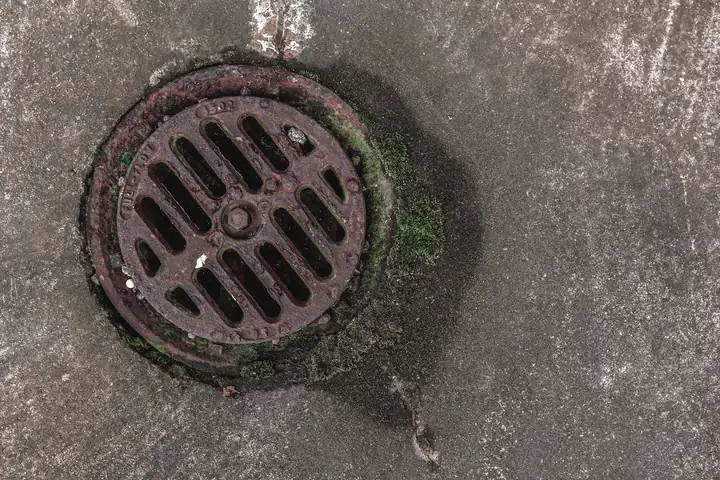
Sewer line repair in Marco Island starts with a camera, not a backhoe. Our trenchless crews run a full video inspection of your lateral from the cleanout to the city tap, then fix the break with cured-in-place lining or pipe bursting - usually in a single day. On a barrier island with a high water table, open trenches fill with water and collapse; no-dig methods skip that mess entirely. Call (239) 448-0271 and get a straight answer on what your line needs.
Useful updates and clear arrival timing.
Review the approach and price before deciding.
Equipped vehicles and respectful cleanup.
Neighbors serving neighbors with follow-through.
Sewer line repair in Marco Island is trenchless-first pipe restoration that fixes broken or blocked sewer laterals without tearing up yards, driveways, or condo common areas. The reason is simple: this is a barrier island built on sand with a water table that sits just a few feet down, so open-trench excavation turns into a dewatering project fast. Trenchless sewer repair in Marco Island skips that problem by working through small access points, lining or bursting the old pipe in place. Homes here run the full range, from 1960s cottages in Olde Marco with original cast iron to beachfront high-rises in Hideaway Beach with shared laterals, and each type fails differently. Sewer camera inspection in Marco Island tells us which one you have before anyone quotes a number. From our Naples base, our crews cross the Jolley Bridge daily, so island jobs get same-week scheduling instead of mainland wait times. That matters when sewage is backing into a guest bath during season. Collier County permits, HOA approvals, and island access logistics are handled in-house, so the job moves while other contractors are still figuring out the paperwork.
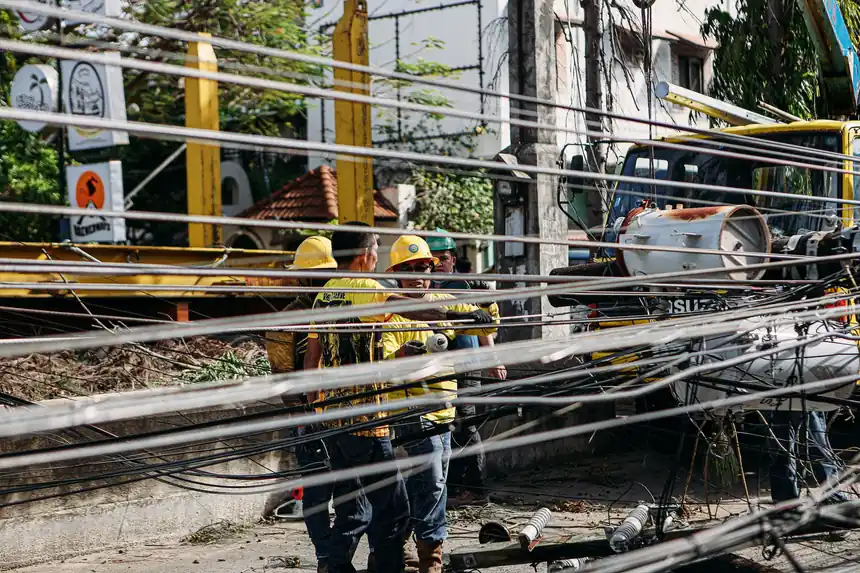
Sewer demand on Marco Island splits two ways: older single-family homes with failing cast iron, and condos with shared laterals and HOA timelines. That is why every job here starts with the question of how much does sewer line repair cost in Marco Island for your specific pipe, not a flat number. Trenchless methods cover most of it: lining for cracked but intact pipe, bursting for collapsed runs, camera inspection for diagnosis, and hydro jetting for roots and scale. Open-cut replacement stays in the toolkit for lines too damaged or misaligned to line.
When the pipe is cracked, root-filled, or leaking but still holding its shape, trenchless sewer repair in Marco Island fixes it through two small access pits instead of an open trench. A resin-saturated liner or a bursting head travels the length of the old line, leaving a new pipe rated for decades of service. Island landscaping, pavers, and pool decks stay untouched. Most residential jobs finish in a single day, and the line is back in service the same evening.
View service →02Some lines are past lining: collapsed sections, severe bellies, or pipe so misaligned the camera cannot pass. Sewer line replacement in Marco Island then means a full new lateral, usually pulled in by pipe bursting so the old pipe becomes the path for the new HDPE line. Where bursting cannot work, open-cut excavation with shoring handles it, and the trench is compacted and restored. Either way, the replacement is permitted through Collier County and inspected before backfill.
View service →03Cured-in-place pipe lining builds a new pipe inside the old one: a felt tube soaked in epoxy resin is inverted into the line, then cured with hot water or steam into a jointless pipe. CIPP pipe lining in Marco Island fits cast-iron laterals under slab, because it needs no demolition and no trenching through the water table. The liner bridges cracks, seals joints against roots, and typically cures in three to four hours. The finished line carries a manufacturer-backed warranty.
View service →04Pipe bursting replaces the line by pulling a bursting head through the old pipe, fracturing it outward while a new HDPE pipe follows behind. On Marco Island it solves the cases lining cannot: collapsed clay, Orangeburg that has deformed, or laterals with bellies holding standing water. Entry and exit pits are typically four by four feet, so the yard stays mostly intact. Bursting handles runs of 50 to 150 feet in a day, and the new HDPE is fused jointless.
View service →05Every diagnosis starts here: a waterproof camera on a push rod travels the lateral from cleanout to tap while we watch the feed live and record it. Sewer camera inspection in Marco Island pinpoints breaks, bellies, root masses, and separated joints to the foot, so the repair quote matches the real problem. Typical 2026 pricing runs $189-$349 depending on access and line length. You get the video file and a written finding, whether or not you hire us for the fix.
View service →06Hydro jetting scours the line with water at up to 4,000 PSI, cutting through root masses, grease, and mineral scale that snakes leave behind. On Marco Island, where tropical roots invade joints every growing season, jetting is the reset button: it clears the line so a camera inspection shows the pipe's true condition. We jet first, then film, so lining or spot-repair quotes are based on clean pipe, not guesswork. Most residential jetting takes one to two hours.
View service →07Pre-1972 island homes run cast iron under the concrete slab, and it fails from the bottom up: rust thins the pipe bottom, cracks catch debris, and the line blocks. Cast iron sewer pipe repair in Marco Island usually means lining the run in place, since breaking slab costs more than the repair. Where a section has fully collapsed, a targeted spot repair through a small slab opening replaces just that section. Either approach ends the cycle of repeat backups.
View service →08Sewage backing into tubs and floor drains cannot wait for a mainland contractor to find the bridge. Emergency sewer repair in Marco Island means a crew with a jetter and camera rolls out to stop the immediate backup, then diagnoses the break on the spot. We clear the line, film it, and lay out repair options with real numbers before we leave. If the line needs lining or bursting, that work is scheduled immediately, often within days.
View service →09When the camera shows one bad joint or a single cracked section in an otherwise sound line, a full replacement is overkill. Sewer spot repair in Marco Island excavates one targeted pit, cuts out the failed section, and splices in new PVC with shielded couplings. Typical 2026 pricing runs $600-$2,500 depending on depth and access. The repair is permitted, inspected, and backfilled the same day in most cases, and the rest of your yard never gets touched.
View service →Every Marco Island job starts with a sewer camera inspection in Marco Island so the quote matches the actual pipe, not a guess. The camera run takes one to two hours: we locate the line, mark depths, and record video from the cleanout to the city tap. From there the fix is scheduled around island realities. Equipment crosses the Jolley Bridge from our Naples yard, so jobs are batched by area to keep trucks off the bridge during peak season traffic. For condos, we coordinate with the HOA or property manager on access hours and parking before the crew arrives. Trenchless work needs only small pits at the entry and exit points, and most residential jobs wrap in one day. Open-cut replacements take three to five days with shoring, dewatering, and compaction. Permits go through Collier County, and an inspector signs off before any trench is backfilled. Homeowners searching for trenchless sewer line repair without digging in Marco Island usually want one thing confirmed: that the yard, driveway, and pavers survive the job. They do. Call (239) 448-0271 to schedule the camera inspection first; everything downstream gets easier once we can see the pipe.
Open-cut excavation on the island hits groundwater two to four feet down, so trenches fill, walls slough, and the crew spends the day running pumps instead of laying pipe. That adds dewatering cost and days to every dug job. We lead with trenchless methods that never open a trench: lining and bursting install new pipe through the old line's path, below the water table but without exposing it. When open-cut is unavoidable, we schedule it in the dry season, bring shoring and pumps, and price the dewatering up front so there are no surprises.
Everything rolls in over the Jolley Bridge on San Marco Road, and during season the bridge backs up. A missed delivery window pushes the whole job a day, and wide-load equipment needs timing around traffic. We batch island jobs by area and load trucks the night before, so crews cross early and arrive with everything on board. Liners, bursting heads, and jetter hoses are stocked on the truck, which cuts return trips across the bridge to nearly zero.
Shared laterals run under parking lots and common areas, and most associations restrict work to weekday windows with advance notice. A job planned without HOA sign-off gets shut down at the gate. We contact the property manager before scheduling, confirm the access window and parking in writing, and keep the work footprint to marked pits. Most condo lateral jobs finish inside a single approved workday, which keeps the board and the residents satisfied.
Lateral replacement, lining, and bursting all require a county plumbing permit with an inspection before backfill. We pull the permit, schedule the inspection, and include the fee in the quote so the job is code-clean.
Sewer lateral work in Florida must be performed by a state-certified or county-registered plumbing contractor. Unlicensed work voids permits and creates problems at resale, so verify the license before anyone digs or lines.
Four failure modes account for most of our Marco Island calls, and they trace back to three local facts: the island's older homes run cast iron past its service life, tropical vegetation hunts for water in every pipe joint, and the June-to-November rain season moves sandy soil around buried lines. Trenchless sewer repair in Marco Island was built for exactly this combination: diagnose with a camera, then line or burst without opening the water table. Here is what each one looks like from the camera's point of view.
Pre-1972 island homes were plumbed with cast iron that carries a 50-to-60-year service life, and that clock has run out. The pipe rusts from the inside bottom first, the invert thins, and cracks form with edges that catch paper and debris. Under slab, nobody sees it until backups start. We line these runs in place with CIPP: the liner becomes a new jointless pipe inside the old cast iron, with no slab demolition. Where a section has fully collapsed, a small targeted opening replaces just that piece. The line gets a decades-long second life without tearing up the home.
Island landscaping grows year-round, and roots hunt the moisture leaking from tiny joint separations. Once inside, a root mass thickens every season until it fills the pipe. Clay and older PVC joints are the usual entry points, and the June-to-November rains accelerate the growth. Hydro jetting at up to 4,000 PSI cuts the root mass out completely, then the camera shows the joints that let them in. CIPP lining seals those joints permanently, so roots have nothing to enter. For lines too damaged to line, pipe bursting installs jointless HDPE that roots cannot penetrate.
From June through November, saturating rains swell and shift the island's sandy soil. Each cycle tugs at pipe joints, opening small separations that catch debris and admit roots. Bellies form where soil settles unevenly, and standing water in the belly accelerates corrosion from the inside. The camera maps every separation and belly to the foot, so the repair targets the real defects. Lining bridges separated joints with a continuous new pipe, and bursting corrects grade on bellied runs by installing new HDPE at proper slope. Both methods work below the water table without opening it.
Decades of hard-water flow leave mineral scale on the inside of cast iron and clay, narrowing the pipe year by year. Grease from kitchens layers on top of the scale. The combination shrinks a four-inch line to the flow of a two-inch line, and backups follow. Hydro jetting strips scale and grease back to the pipe wall, restoring full diameter without chemicals. The camera then confirms the pipe is sound enough to line; if it is, CIPP gives the cleaned line a smooth new interior that resists future buildup.
Marco Island is small enough that our crews navigate by a handful of fixed points. The Jolley Bridge is the only way on or off, so every job is planned around that crossing. Collier Boulevard runs the length of the island and nearly every service address branches off it. Beach parks mark the north and south ends, and the Esplanade district orients the northwest condo zone. When you call, the dispatcher uses these same points to place your street and give a real arrival window.
The only road onto the island, carrying San Marco Road from US-41 on the mainland. Crews use it for every island dispatch and plan crossings around seasonal traffic backups. It is the first fixed point in every route plan.
The main north-south artery running the length of Marco Island. Most residential streets branch off it, so the dispatcher places addresses by their nearest cross-connection to Collier from the bridge to the south end.
Public beach park at the north end of the island. It orients north-island service calls, including the Hideaway Beach area just south of it. Crews heading to north-end addresses use it as the turn reference.
Waterfront shopping and dining district on Smokehouse Bay in the northwest. It marks the condo-heavy zone, so dispatchers use it to orient calls near Hideaway Beach and the northwest high-rises.
Large community park near the center of the island. It splits north and south service zones on the dispatch map and sits minutes from mid-island neighborhoods. A useful midpoint for sequencing multiple same-day jobs.
Waterfront district with restaurants, shops, and marina services on the northwest side. Commercial laterals here serve food-service tenants, which means grease load is part of the pipe's story. Jetting schedules for these lines run heavier than residential.
The main commercial strip running the island's length, with grocery, retail, and service businesses. Laterals here tie multiple tenants to single connections, so one blockage can shut down several storefronts at once.
The sole highway link between Marco Island and the mainland, connecting to US-41 and Tamiami Trail. Every crew and equipment load crosses it; island jobs are scheduled around its traffic.
The regional airport in Fort Myers, roughly 45 miles north of the island. It matters for seasonal residents flying in to meet contractors during the winter months.
Marco Island is compact, but its neighborhoods fail differently. Cottages near the bridge sit on some of the oldest laterals on the island, while the beachfront condo corridor deals with shared lines and HOA rules. The east-side communities add 1970s and 1980s pipe to the mix. These are the four areas where our trucks spend the most time. If your street is not listed, call anyway; we cover the whole island.
A gated beachfront community on the northwest side, built up with high-rise condos and shared laterals running under parking structures. Jobs here are coordinated with property managers: camera inspection first, then lining scheduled inside approved work windows. Trenchless methods matter most here because common-area excavation is rarely an option. Crews stage from the Naples yard and cross the Jolley Bridge, typically arriving within the scheduled window.
The original settlement near the bridge landing, with cottages from the 1960s and 1970s on some of the island's oldest sewer laterals. Original cast iron and clay are common, and narrow lots with mature trees mean root intrusion on top of corrosion. Pipe bursting is the frequent fix here: new HDPE pulled through the old line's path without disturbing the cottage or the landscaping. First stop off the bridge via San Marco Road, so scheduling here is the most flexible on the island.
A residential island community east of Marco, connected by Capri Boulevard, with single-family homes mostly from the 1970s and 1980s. Laterals here are old enough for joint separation and root intrusion but usually intact enough to line. Hydro jetting plus CIPP lining is the standard package: clear the roots, film the clean pipe, then install the liner. Reached via Capri Boulevard off the main island; crews allow extra time for the crossing.
The beachfront condo corridor along the south end, where high-rise buildings share laterals and the water table sits highest. Excavation here means dewatering and disrupted parking, so trenchless lining is the default recommendation. We schedule around rental turnover calendars when managers ask, keeping guest impact near zero. South end of Collier Boulevard; crews work north to south to finish in one trip.
These are the three jobs that show up again and again on Marco Island, in representative form. Same island, same pipe materials, same fixes. The details change house to house, but the pattern holds: camera first, trenchless where possible, and numbers on the table before work starts. If your situation matches one of these, the fix and the price range will look familiar.
A Hideaway Beach condo with sewage backing into two ground-floor units every few weeks. Snaking cleared it temporarily, but the blockage always returned within a month. Camera inspection from the building cleanout found separated cast-iron joints packed with roots under the parking deck. We hydro jetted the line clear, then installed a CIPP liner through the full 70-foot run with no excavation. The liner sealed every joint in a single day, and the parking deck never closed. Both units stayed clear through the following rain season. The association avoided a five-figure concrete demolition, and the lined lateral is rated for decades of service. Total downtime was one workday.
An Olde Marco cottage developed a soft spot in the paver driveway that sank deeper each month. The toilet gurgled, and the yard smelled after heavy rain. The camera showed a collapsed clay lateral under the driveway with soil washing into the pipe. Pipe bursting was the fix: entry and exit pits at either end, a bursting head fracturing the old clay outward, and new HDPE pulled through the same path. The pavers were lifted and reset, not replaced. The driveway settled flat and stayed that way. The full 50-foot replacement finished in two days, and the new line passed county inspection on the first visit. No more gurgling, no more odor after storms.
An Isle of Capri ranch home backed up every rainy season like clockwork. Three different plumbers had snaked it, and each time the roots came back thicker. Hydro jetting at full pressure cleared the root masses, and the follow-up camera run showed the real story: separated joints and a belly holding two inches of standing water. We lined the 40-foot run with CIPP, which sealed the joints and bridged the belly without digging up the oak-shaded yard. Two rain seasons have passed with zero backups. The homeowner's jetting bill dropped to a single preventive cleaning per year, and the liner carries a manufacturer-backed warranty. The yard was never disturbed.
October sits at the tail of Marco Island's rain season, which runs roughly June through November. Saturated soil is still shifting pipes, and backup calls are still elevated. Winter brings the dry season and the seasonal residents, spring stays dry and mild, and summer reloads the rain. Each season changes what your sewer line needs, and the smartest move in October is a camera inspection before the dry months settle everything into place. Homeowners comparing trenchless sewer line repair without digging in Marco Island often book the camera visit in fall, when problems are easiest to see.
March through May is the driest stretch, with firm soil and predictable scheduling. Lines damaged over the rain season show their full extent on camera now, and open-cut work is at its easiest if a job needs it. Book early; spring fills fast.
June through August brings daily downpours that saturate the sandy soil. Joints separate, bellies fill, and backup calls peak. This is emergency season: keep our number handy and do not ignore early gurgling. A camera inspection at the first sign of trouble beats a midnight backup.
September through November is the rain season's tail: soil is at its most saturated and shifted, so camera inspections now reveal the year's full damage. Backup risk stays high into October, then eases as the dry season arrives. This is the best diagnostic window of the year.
December through February is dry season: firm soil, stable pipes, and the island at full population. Seasonal residents discover problems on arrival, so inspection bookings run heavy. It is the most predictable window for planned work. Emergency calls drop, but scheduled jobs fill calendars early.
Marco Island sits at the southern end of our Southwest Florida service area, and our Naples base at 1274 13th St N, Naples, FL 34102 puts the whole region within a daily route. From the island we run north through the coastal corridor and inland across Collier and Lee counties. Our daily route covers Naples neighborhoods in 34102, 34103, 34101, and 34105 before crossing to the island. These are the nearby cities where the same trenchless crews handle the same sewer problems.
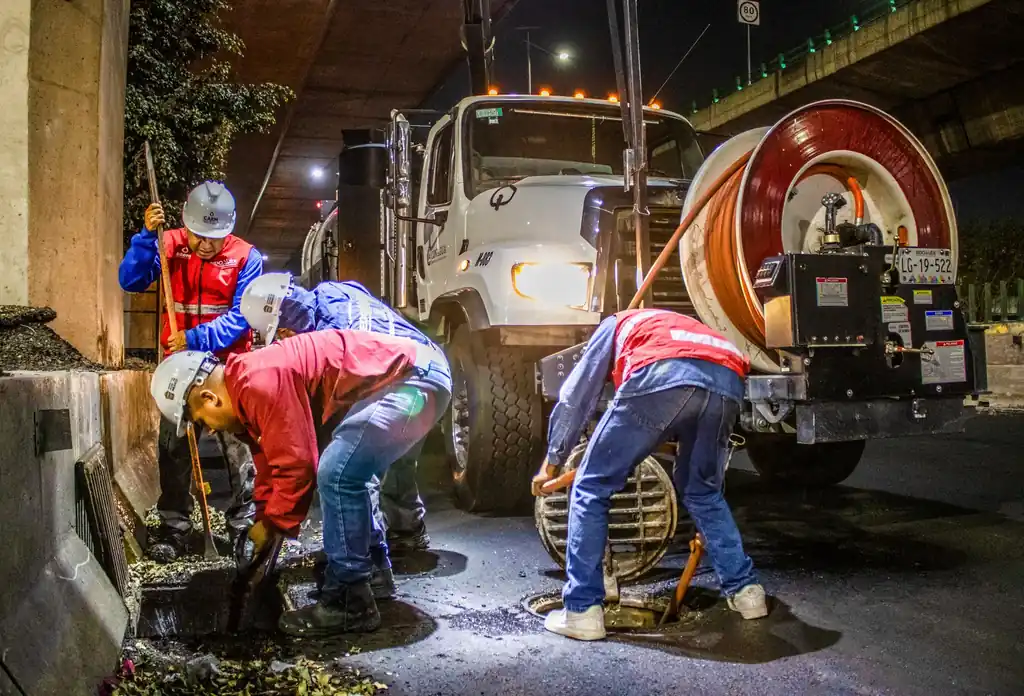
About 25 miles north up US-41, with the same mix of aging cast iron and newer builds. Crews often pair Bonita Springs jobs with island jobs on one run.
Local coverage and details
Roughly 30 miles north, where rapid growth meets older pockets with original sewer lines. New-community work and older-home repairs both land on the schedule.
Local coverage and details
About 40 miles north across the county line, the region's largest city. Its historic neighborhoods carry the oldest clay and cast-iron stock in our service area.
Local coverage and details
Roughly 45 miles north along the river, with mid-century homes on original sewer lines. A steady source of lining and bursting work for our crews.
Local coverage and detailsMost Marco Island sewer contractors can dig a trench; fewer can diagnose a line correctly and fix it without one. Where the water table punishes open excavation and HOAs punish unapproved work, the contractor's process matters more than the quote. These five questions separate contractors who understand island sewer work from those who will learn on your dime. Ask them in this order, and listen for specifics instead of slogans. A straight answer to each one is worth more than the lowest bid.
A quote without video is a guess priced as a fact. The camera shows the break's location, the pipe material, and whether lining, bursting, or spot repair fits. Contractors who quote blind tend to quote high to cover the unknown, or quote low and discover the real job mid-trench.
On a barrier island with a high water table, open-cut is the slow, expensive option. A contractor with lining and bursting equipment can fix most lines in a day without dewatering. If the answer is digging only, you are paying for their equipment gap.
Permitted work gets inspected before backfill, which protects you at resale. Some contractors leave permitting to the homeowner or add the fee later. The right answer is simple: we pull it, we schedule the inspection, and the fee is in the quote.
CIPP liners and HDPE pipe both carry manufacturer warranties, and the installer should add a workmanship warranty on top. Get both in writing with the length stated in years. A contractor who hedges on warranty length is telling you something about the install.
Marco Island runs on associations, and unapproved work gets stopped at the gate. The contractor should contact the property manager, confirm access windows and parking in writing, and keep the footprint small. If they have never worked with an HOA, expect delays.
Camera inspections cost $189-$349, and most trenchless repairs land between $8,000 and $17,000 or more. A camera inspection is the mandatory first step because the price depends on the pipe's length, depth, and condition, which only video reveals. Spot repairs for a single bad joint run $600-$2,500. Full open-cut replacement is the outlier at $12,000-$75,000 or more, since island excavation means dewatering and shoring. Every quote should be fixed-price and itemized before work starts.
Most trenchless jobs finish in one day, with the line back in service the same evening. The camera inspection itself takes one to two hours, and a CIPP liner typically cures in three to four hours after installation. Pipe bursting on a standard residential run also wraps in a day. Open-cut replacement is the slower path at three to five days with shoring and inspections. Condo jobs add HOA scheduling but rarely add workdays.
Yes, in most cases. CIPP lining installs a new jointless pipe inside the old one through existing access points, so the slab stays intact. This is the standard fix for cast-iron laterals under Marco Island homes, where breaking concrete costs more than the repair. If a section has fully collapsed, a small targeted opening replaces just that piece. A camera inspection confirms which approach your line needs.
Yes, Collier County requires a plumbing permit for lateral replacement, lining, and bursting. The permit keeps the work code-clean and protects you at resale, since unpermitted sewer work surfaces during buyer inspections. A legitimate contractor pulls the permit and schedules the inspection as part of the job. Ask for the permit number before work starts; it takes one question and saves real trouble.
Three things cause most island backups: corroded cast-iron laterals, root intrusion at pipe joints, and rain-season soil saturation that shifts pipes and opens joints. Older homes near Olde Marco and Isle of Capri contribute the cast iron; tropical landscaping island-wide supplies the roots; and the June-to-November rains supply the soil movement. A camera inspection identifies which of the three is driving your backup, usually within a two-hour visit.
Not seeing your question? Our local team can help you understand urgency, scheduling and what to expect.
Ask the local team
Ready when you are. Call (239) 448-0271 weekdays between 8am and 6pm and you will reach someone who can schedule a camera inspection or talk through what your drains are doing. For emergencies, describe the backup or odor and we will tell you what to do right now. Our office sits at 1274 13th St N in Naples, and we run service calls across Collier County daily.