Focused arrival windows
Useful updates and clear arrival timing.
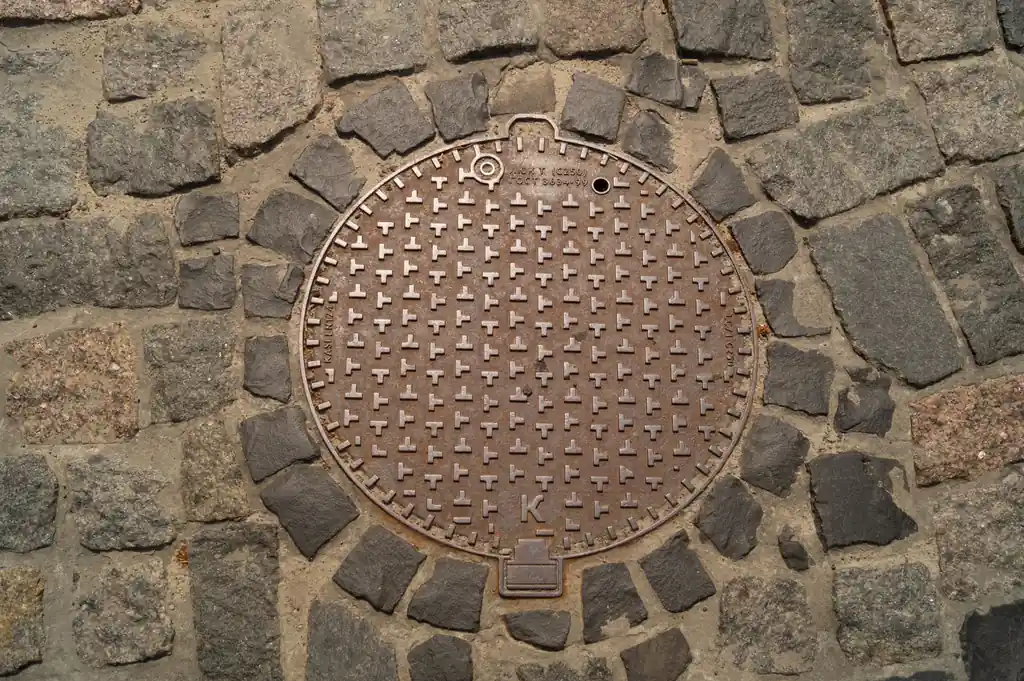
Hydro Jetting in Naples is the answer for sewer lines that keep clogging no matter how many times they get snaked. A technician feeds a jetting hose with a specialized nozzle into the line and blasts water at up to 4,000 PSI, scouring grease, roots, and mineral scale off the pipe walls. Sewer line cleaning in Naples, FL usually takes one to three hours, needs no digging, and finishes with a camera inspection so you see the clear pipe yourself. Call (239) 448-0271 to schedule hydro jetting services in Naples.
Useful updates and clear arrival timing.
Review the approach and price before deciding.
Equipped vehicles and respectful cleanup.
Neighbors serving neighbors with follow-through.
Hydro jetting is a complete cleaning service, not just a hose in a pipe. The price covers diagnosis, the cleaning itself, verification, and a written plan, so there is nothing ambiguous about what you are paying for. Anything structural the camera finds gets a separate repair quote; cleaning and repair are never bundled into one mystery number.
A full camera run before any water flows, locating the blockage, measuring distances, and confirming the pipe is sound enough to jet. If the line is collapsed, you find out here, before spending a dollar on cleaning.
One to three jetting passes through 60 to 150 feet of residential line, with nozzle changes matched to what the camera found: roots, grease, scale, or a combination.
Rotating nozzle work for cast iron scale, penetrator work for root masses, and flushing passes for grease. The nozzle fits the blockage, not the other way around.
A second camera run after cleaning, watched together with the technician. You see clean walls, open joints, and any structural issues the cleaning revealed, with footage saved for your records.
A written summary of findings, the footage, and a plain-English recommendation: maintenance interval for root-prone lines, descaling notes for cast iron, or repair options with real numbers if the camera found damage.
Share what is happening and receive a clear next step from the local team.
Hydro Jetting in Naples is a drain-cleaning method that fires water at 3,000 to 4,000 PSI through a sewer line to scour out roots, grease, and scale when snaking no longer holds. The technician feeds a hose fitted with a specialized nozzle into the line through a cleanout or a pulled toilet, then works it upstream against the flow while pressurized water cuts and flushes debris downstream. Nozzles are chosen for the job: penetrator heads bore through root masses, rotating heads strip rust scale from cast iron, and flushing heads sweep loose material to the city main. Most residential lines in Naples are 3 to 6 inches in diameter, and a typical job covers 60 to 150 feet of pipe in one to three hours.
Naples homeowners need hydro jetting more often than most Florida cities, and the reasons are local. Pre-1972 homes across Collier County run cast iron sewer pipe under concrete slab, and that iron rusts from the bottom up, leaving serrated edges that catch paper and debris until flow chokes down. Tropical vegetation never goes dormant, so ficus, banyan, and palm roots invade pipe joints twelve months a year. Rain season, roughly June through November, saturates the sandy soil and shifts pipes, opening new entry points for roots. When snaking stops holding for more than a few weeks, jetting is the step that actually resets the line.
The visit starts with a camera inspection, not a hose. The technician scopes the line from the cleanout or a pulled toilet, locates the blockage, measures its distance from the house, and checks the pipe material and condition. This takes 20 to 40 minutes and tells you whether jetting is even the right fix. A collapsed section or a separated joint gets a repair recommendation, not a jetting quote.
The technician sets up at the cleanout, or pulls a toilet and caps the opening if the home has no cleanout, which is common in older Naples homes. The jetter unit, a trailer-mounted pump delivering up to 4,000 PSI at 12 to 18 gallons per minute, connects to an outdoor spigot or a water tank. Hoses are laid out, the work area is protected, and you get the flat price in writing before the nozzle goes in.
The nozzle goes in downstream and works upstream against the flow. A penetrator head bores through root masses and heavy blockages first, then a rotating or flushing nozzle makes return passes to scour the full pipe wall. The technician reads the resistance on the hose and watches the discharge to judge when the line is clean. Grease lines may need two or three passes; typical residential jobs need one or two.
The camera goes back in for a full run from the house to the city connection or septic tank. You watch the footage with the technician: clean walls, open joints, distance markers, and any structural issues the jetting revealed. This is the proof the job is done, and it doubles as a condition report on your line. The footage is saved and available to you.
The visit ends with a written summary: what was found, what was cleared, the footage, and a plain recommendation. Root-prone lines get a suggested re-jetting interval, usually 12 to 24 months. Lines with scale get descaling notes. If the camera showed damage, you get repair options with real numbers, not a vague warning. No pressure, no upsell script.
Delivers 3,000 to 4,000 PSI at 12 to 18 gallons per minute, the pressure and volume needed to cut roots and scour pipe walls on residential and light commercial lines.
A forward-firing head that bores through root masses, heavy grease, and compacted debris to open the initial channel.
Spins high-pressure jets against the pipe wall to strip rust scale from cast iron and mineral buildup from any pipe material.
Rear-facing jets that pull the hose through the line while sweeping loosened debris downstream to the main or tank.
A waterproof camera on a 100-to-200-foot push rod that inspects the line before jetting and verifies the cleaning after, with footage the homeowner can watch.
Adapters, plugs, and toilet-pulling tools for reaching the line in older Naples homes that were built without accessible cleanouts.
The nozzle enters downstream and bores upstream through the blockage against the flow direction. This is the cutting pass, used for root masses and heavy grease, and it opens the channel the cleaning passes will widen.
After the cutting pass, a flushing nozzle works back toward the access point, sweeping loosened debris downstream to the city main or septic tank. High water volume matters more than pressure on this pass.
Cast iron with heavy rust scale gets dedicated passes with a rotating nozzle that spins water jets against the pipe wall. Multiple slow passes strip scale back to bare metal without the pressure spikes that damage thin spots.
No jetting job is finished without camera footage before and after. The pre-jet scope diagnoses the blockage and rules out collapse; the post-jet scope verifies full-bore cleaning and documents pipe condition for the homeowner.
Jetting runs after closing: the camera maps the grease buildup, a flushing nozzle makes multiple passes through the 4-inch line, and a final camera check confirms clean walls. The crew is out before the lunch prep starts. The line flows at full diameter, health-code risk drops to zero, and a quarterly jetting schedule keeps it that way through the busy season.
Hydro jetting cuts the roots and the camera documents the cleared line and the condition of the joints. The buyer gets the footage for their records, and any structural issues found become a negotiation point instead of a surprise. The buyer closes with confidence, the seller avoids a last-minute price cut, and the line starts its new ownership clean.
Fall jetting cuts that year's root growth before rain season ends, and the camera tracks which joints the roots favor. Annual service keeps the roots at maintenance level instead of blockage level. No emergency backup call, no flooded laundry room, and the landscaping stays untouched year after year.
Rotating nozzles strip decades of scale from the cast iron, opening the diameter back up and giving the epoxy a uniform surface. A final camera run confirms the pipe is ready, and lining proceeds the same week. The liner bonds to a clean, round surface, the new pipe lasts its full design life, and the yard never gets dug up.
Hydro jetting in Naples, Florida runs into a specific set of local conditions that shape how the work gets done. Much of the housing stock east of US-41 was built before 1972 with cast iron sewer lines poured under concrete slab, which means there is no crawlspace and often no accessible cleanout; technicians frequently pull a toilet to reach the line, then reset it with a new wax ring. Tropical landscaping is the other constant: ficus hedges, banyan trees, and palms send roots into pipe joints in every month of the year, so root removal in Naples is maintenance, not a one-time event. From roughly June through November, rain season saturates the sandy soil, shifting pipes and opening joints that invite more intrusion. Jobs are scheduled with that calendar in mind: fall jetting clears the summer buildup, and spring jetting prepares lines for the wet months. Collier County homes on septic see the same blockages in the line between the house and the tank.
Pre-1972 homes with cast iron under slab and mature ficus hedges, where descaling plus annual root jetting is the standard maintenance pattern.
Waterfront properties with heavy tropical landscaping, where palm and banyan roots invade older clay and cast iron joints.
Subdivisions with PVC laterals but mature tree lines, where jetting usually means root cutting at the joints rather than descaling.
Mixed-age housing stock with long lateral runs to the street, where line length and access drive the jetting plan.
Saturated sandy soil shifts around sewer lines, opening joints that roots then invade and creating bellies where debris settles. Jetting clears the resulting buildup, and the camera shows whether the underlying cause needs repair.
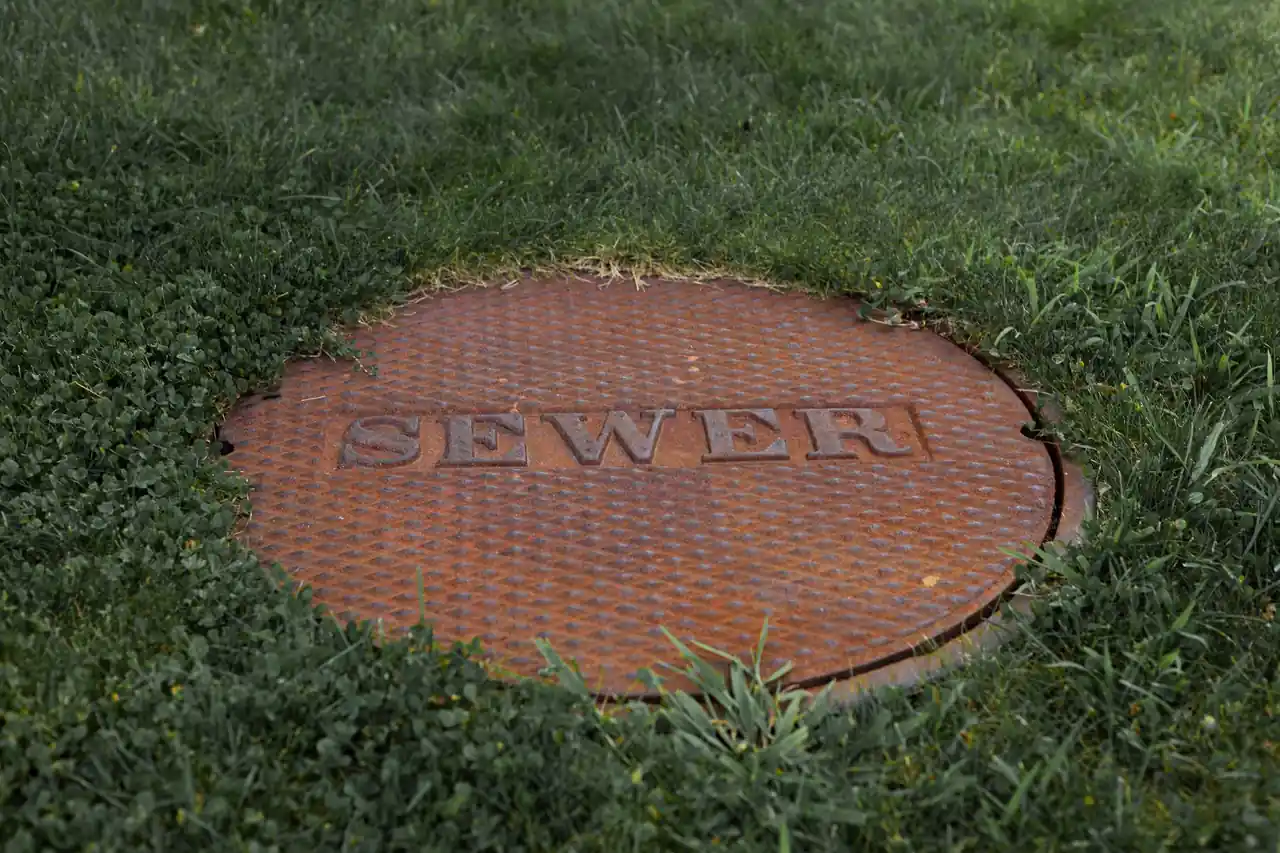
Most older Naples homes have no crawlspace, so the sewer line runs under the slab where you cannot see it. Jetting restores flow through these lines without breaking concrete, which is the only practical cleaning option.
Ficus, banyan, and palm roots never go dormant in Florida, so they invade pipe joints in every season. Annual jetting is a common maintenance rhythm for homes with mature trees near the line.
A family restaurant near Park Shore was backing up into the mop sink every four to six weeks. Snaking punched a temporary hole each time, but grease kept rebuilding on the walls of the 4-inch cast iron line until flow dropped to a trickle.
After two jetting passes at 3,500 PSI, the camera showed clean pipe walls and full-bore flow from the kitchen to the city connection, about 85 feet of line. The restaurant reopened the same evening. Maintenance: quarterly jetting on a standing schedule plus a strict grease-trap pump-out every 60 days keeps the line clear between visits.
Maintenance: Quarterly jetting on a standing schedule keeps the line clear between visits, plus a grease-trap pump-out every 60 days. Training kitchen staff on what goes down the drain cuts the grease load at the source, stretching each cleaning further.
A 1968 home in Old Naples had sewage surfacing in the yard after every heavy rain. The camera found a ficus root mass choking 60 feet of cast iron line, with rust scale narrowing the rest to barely 2 inches of open flow.
Two passes with a rotating nozzle stripped the roots and scale, restoring the full 4-inch diameter across 60 feet. The homeowner got the before-and-after camera footage and a written report flagging one cracked joint to watch. Maintenance: annual jetting each fall, before rain season, keeps root regrowth from taking hold again.
Maintenance: Annual jetting each fall, before rain season ends, keeps root regrowth from reaching blockage levels. The camera footage from each visit tracks which joints the roots favor, so future cleanings stay targeted and the cracked joint gets watched.
A homeowner in North Naples chose CIPP lining for a cracked cast iron line, but the lining crew needed the pipe descaled first. Heavy rust scale had built up over decades, and an epoxy liner needs a clean, round surface to bond.
After descaling, the camera showed a uniform surface ready for lining, with the diameter opened back up by more than half. The lining crew installed the epoxy liner the same week, and the homeowner kept every tree and the entire driveway. Maintenance: a camera check every two to three years confirms the liner is holding.
Maintenance: A camera check every two to three years confirms the liner is holding and the joints are sealed. Avoiding harsh chemical drain cleaners protects the epoxy surface, and any new root intrusion at the connections gets jetted before it can take hold.
Hydro jetting in Naples solves the blockage problems that keep coming back after cheaper fixes. Snaking buys weeks; jetting resets the line. Each of these jobs starts with a camera inspection, because the right fix depends on what the camera shows, and every one of them ends with footage proving the result.
Left alone, the buildup keeps narrowing the pipe until wastewater has nowhere to go, and the next backup can flood bathrooms or the laundry room. Jetting scours the full pipe wall instead of punching a hole through the clog, removing the grease and scale the snake left behind. A camera check after the job confirms the line is clear, and if the footage shows a cracked or collapsed section, you get an honest repair recommendation instead of another cleaning.
Debris settles in the low spots, flow slows further, and the next backup arrives with the next storm, often with little warning. Rain season saturates Naples soil and shifts pipes, creating bellies where debris collects and joints where roots enter. Jetting flushes the settled material out and cuts the invading roots. The camera footage shows whether the pipe itself shifted, which tells you if this is a cleaning problem or a repair problem.
Roots keep growing, the blockage tightens, and pressure can crack the pipe at the joint, turning a cleaning job into a repair job. A penetrator nozzle cuts through the root mass and high-volume flushing carries the debris to the city main. For lines near mature trees, annual jetting keeps regrowth from ever reaching blockage levels again. The camera shows exactly which joints the roots are entering, so you know what you are dealing with.
Flow keeps shrinking, backups get more frequent, and eventually the pipe clogs solid or collapses at its weakest point, usually under the slab. Rotating nozzles strip rust scale back to bare metal, restoring diameter that snaking cannot recover. This is the standard prep step before trenchless lining too, since epoxy needs a clean surface to bond. After descaling, the camera shows the true condition of the iron underneath.
Hydro jetting is simple in concept and easy to get wrong in practice. Pressure that cleans sound PVC can damage corroded cast iron, the wrong nozzle turns a one-hour job into a four-hour one, and jetting a collapsed pipe wastes your money. Getting it right means matching pressure, nozzle, and technique to what the camera shows in your specific line. That judgment comes from local experience with Naples pipe stock: cast iron under slab, PVC in newer subdivisions, and root intrusion nearly everywhere mature trees grow.
Most residential hydro jetting jobs in Naples run $350 to $850, which reflects typical 2026 pricing for the area. Line length is the biggest factor: a 60-foot run from a cleanout costs less than a 150-foot run to the street. Severity matters too, since a grease-choked commercial line needs more passes than a root-thinned residential one. Access affects the quote as well; a reachable cleanout keeps labor down, while pulling and resetting a toilet adds time. You get the price before work starts, in writing, with no hourly meter running.
Yes, when the pressure is matched to the condition of the pipe. A camera inspection comes first to check wall thickness and joint integrity, because paper-thin cast iron should be repaired, not jetted. Sound cast iron handles jetting well, and it is often the best fix for scale: rotating nozzles strip rust buildup that snaking cannot touch, restoring diameter the pipe has not had in decades. If the camera shows cracks, holes, or collapse, jetting stops and the recommendation shifts to lining or replacement.
Most homes take one to three hours from setup to the final camera check. A straightforward root or grease job through an accessible cleanout often finishes in about an hour. Heavily scaled cast iron needs extra descaling passes, which can push the visit toward three hours. Pulling a toilet for access adds roughly 30 to 45 minutes for removal and reset with a new wax ring. Commercial kitchens with long grease runs take longer. You get a time estimate with the quote, before any work begins.
Usually yes, because snaking and jetting do different jobs. A snake punches a narrow channel through the clog and leaves the surrounding buildup untouched, so debris catches again within weeks. Hydro jetting scours the full circumference of the pipe, removing the grease, scale, and root fibers the snake left behind. If backups return after a proper jetting and camera verification, the problem is structural, a cracked or collapsed section, and the footage shows exactly where.
Not seeing your question? Our local team can help you understand urgency, scheduling and what to expect.
Ask the local team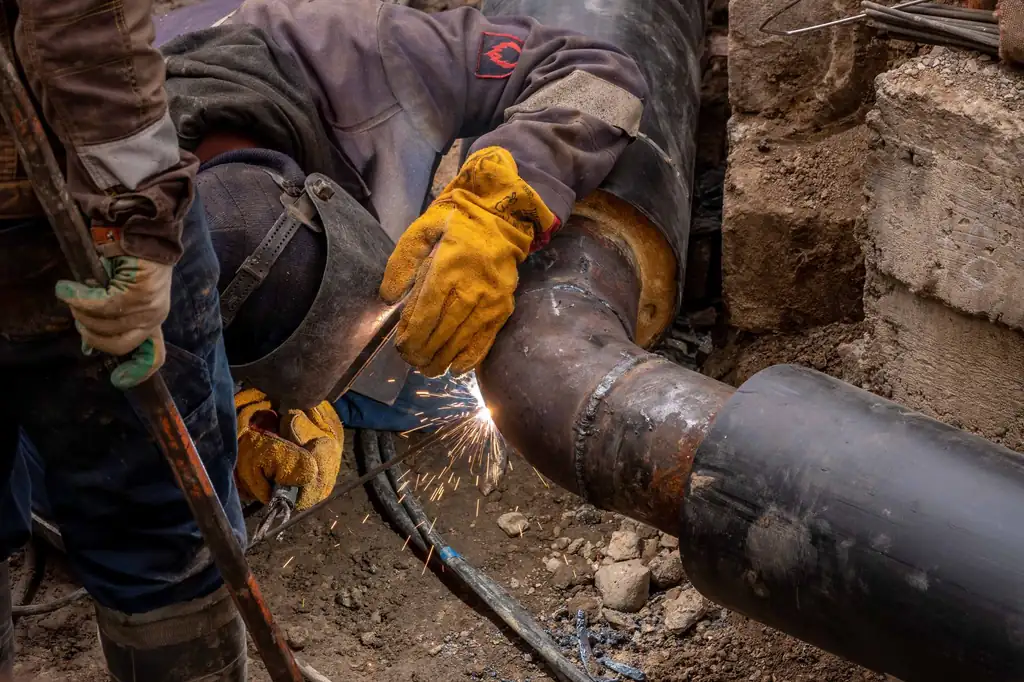
When the camera shows cracked or leaking pipe after jetting, trenchless methods fix it without trenching the yard. Jetting often serves as the cleaning step before lining, since epoxy needs bare pipe to bond. Naples homeowners get a structural fix with the landscaping, driveway, and slab left untouched.
View serviceIf jetting and the camera reveal a collapsed line or damage too extensive for lining, full replacement is the honest answer. Jetting first means the replacement plan is based on video evidence, not guesswork. You replace only what is actually failed, and the new PVC or HDPE line starts clean.
View service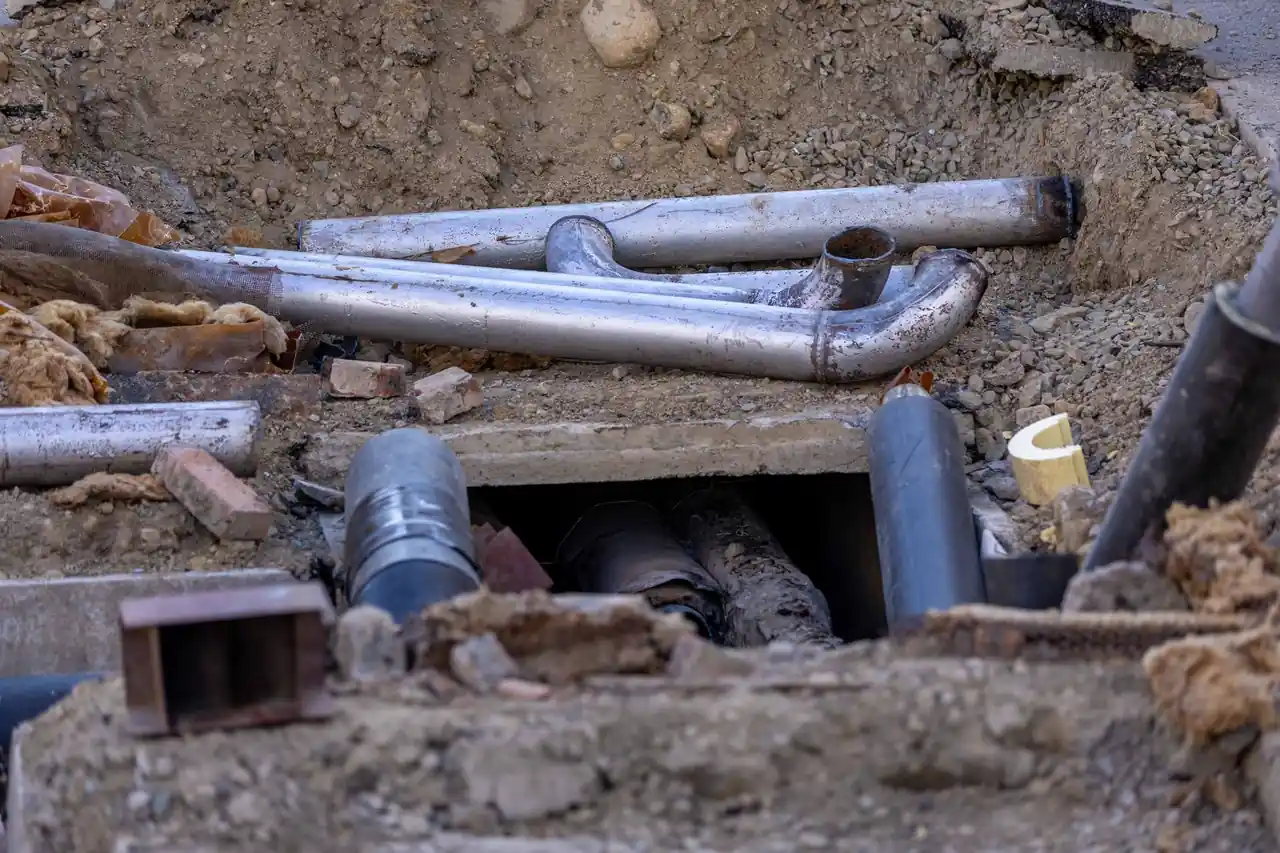
Cured-in-place lining installs a new pipe inside the old one, and every lining job starts with hydro jetting. Descaling the cast iron gives the epoxy a clean, round surface to bond to. Naples homes keep their slabs, driveways, and landscaping intact while the line gets a decades-long new interior.
View service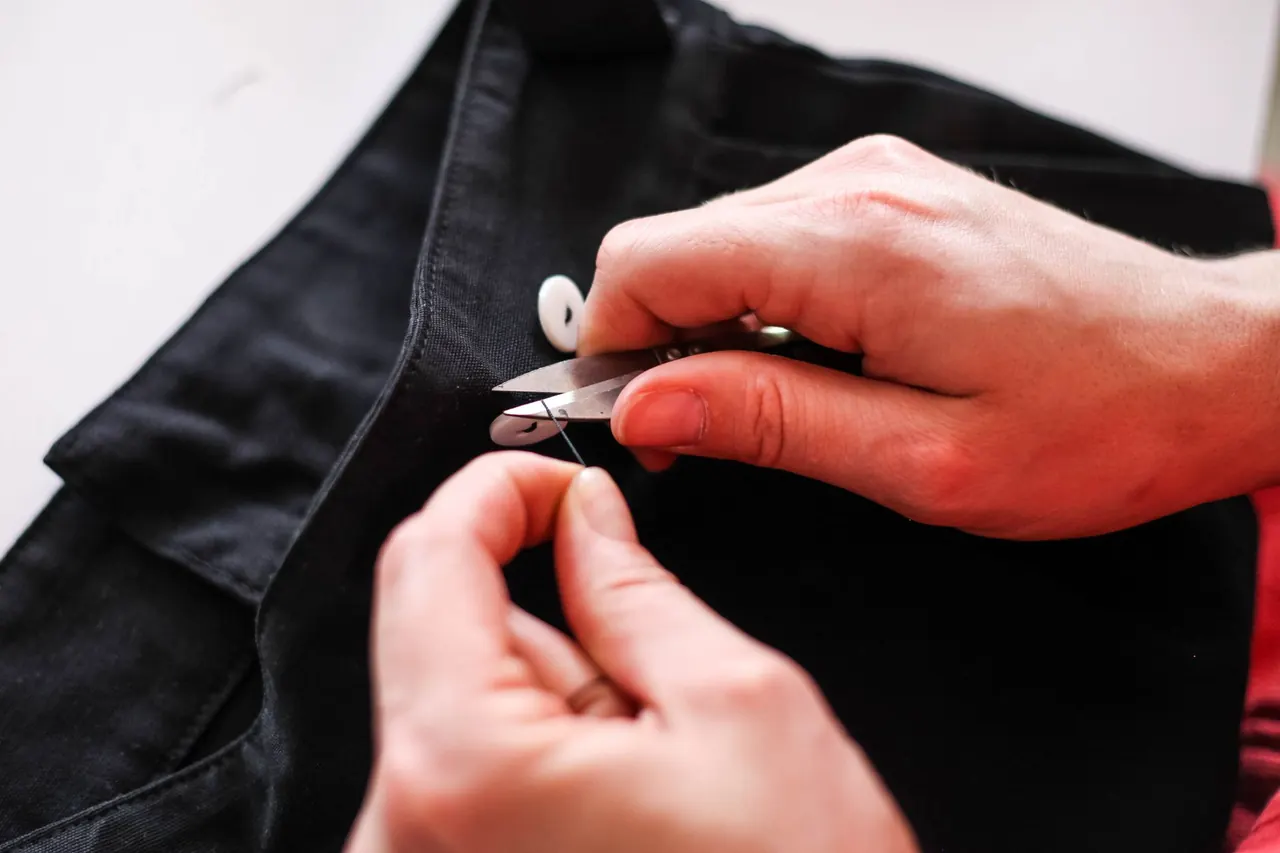
Pipe bursting pulls a brand-new line through the path of the old one when the existing pipe is too damaged to line. Jetting first clears the way and the camera confirms the full extent of the damage. For collapsed cast iron or crushed pipe in Naples, bursting installs a full-diameter replacement with minimal digging.
View service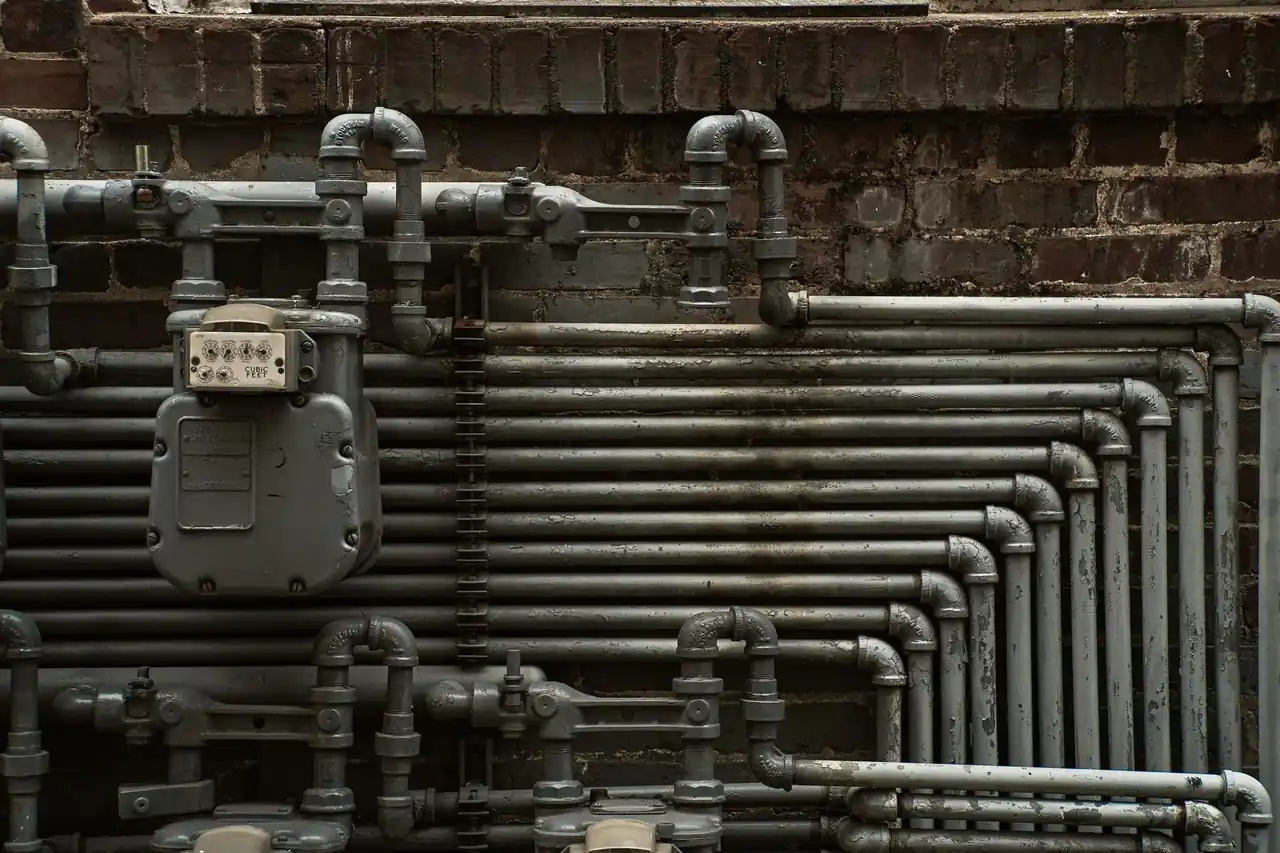
Ready when you are. Call (239) 448-0271 weekdays between 8am and 6pm and you will reach someone who can schedule a camera inspection or talk through what your drains are doing. For emergencies, describe the backup or odor and we will tell you what to do right now. Our office sits at 1274 13th St N in Naples, and we run service calls across Collier County daily.