Focused arrival windows
Useful updates and clear arrival timing.
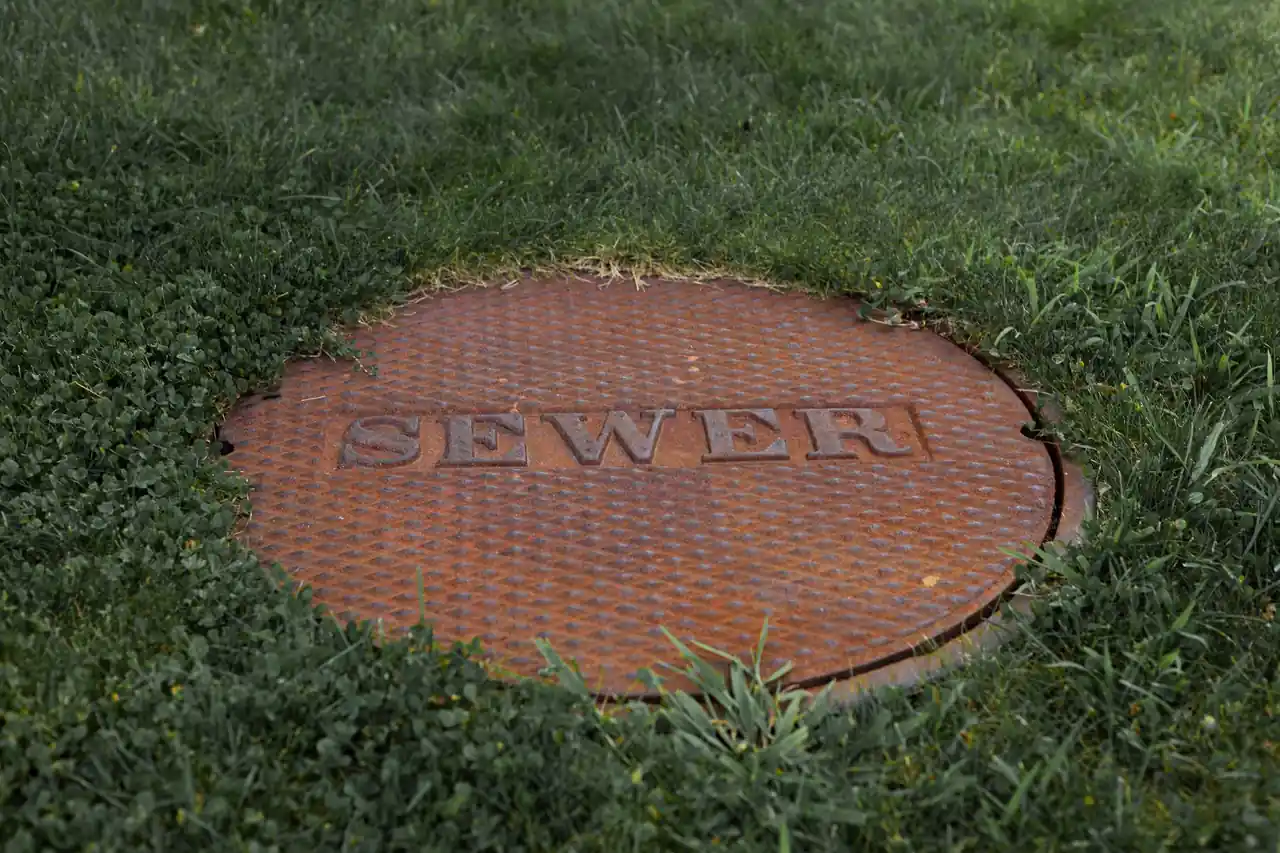
Sewer line repair in Fort Myers means dealing with the region's oldest pipe: clay tile and cast iron under downtown streets, the River District, and historic neighborhoods. Our crews camera every line first, then line or burst the failure trenchless, usually in a single day. Old brick streets and mature oaks stay undisturbed. Call (239) 448-0271 for a fixed-price quote with video evidence.
Useful updates and clear arrival timing.
Review the approach and price before deciding.
Equipped vehicles and respectful cleanup.
Neighbors serving neighbors with follow-through.
Sewer line repair in Fort Myers is trenchless-first restoration of the city's oldest clay and cast-iron laterals, replacing failed pipe without digging up historic streets. Fort Myers is the region's oldest city, and its sewer stock shows it: clay tile laterals under the River District and Dunbar, cast iron under McGregor corridor homes shaded by century-old oaks. Trenchless sewer repair in Fort Myers threads new pipe through the old line's path, which matters where streets, sidewalks, and root zones cannot be disturbed. Sewer camera inspection in Fort Myers maps every break to the foot before any price is quoted, because guessing wrong on vintage pipe gets expensive. Downtown commercial blocks add grease-loaded restaurant laterals and shared lines between buildings. City and county permits are part of every job, and our crews work the city weekly from the Naples base. That weekly presence means vintage-pipe problems get diagnosed by crews who have seen them hundreds of times. One call to (239) 448-0271 puts the camera in the line, and the footage writes the quote. No guesswork on old pipe ever. Vintage pipe rewards experience.
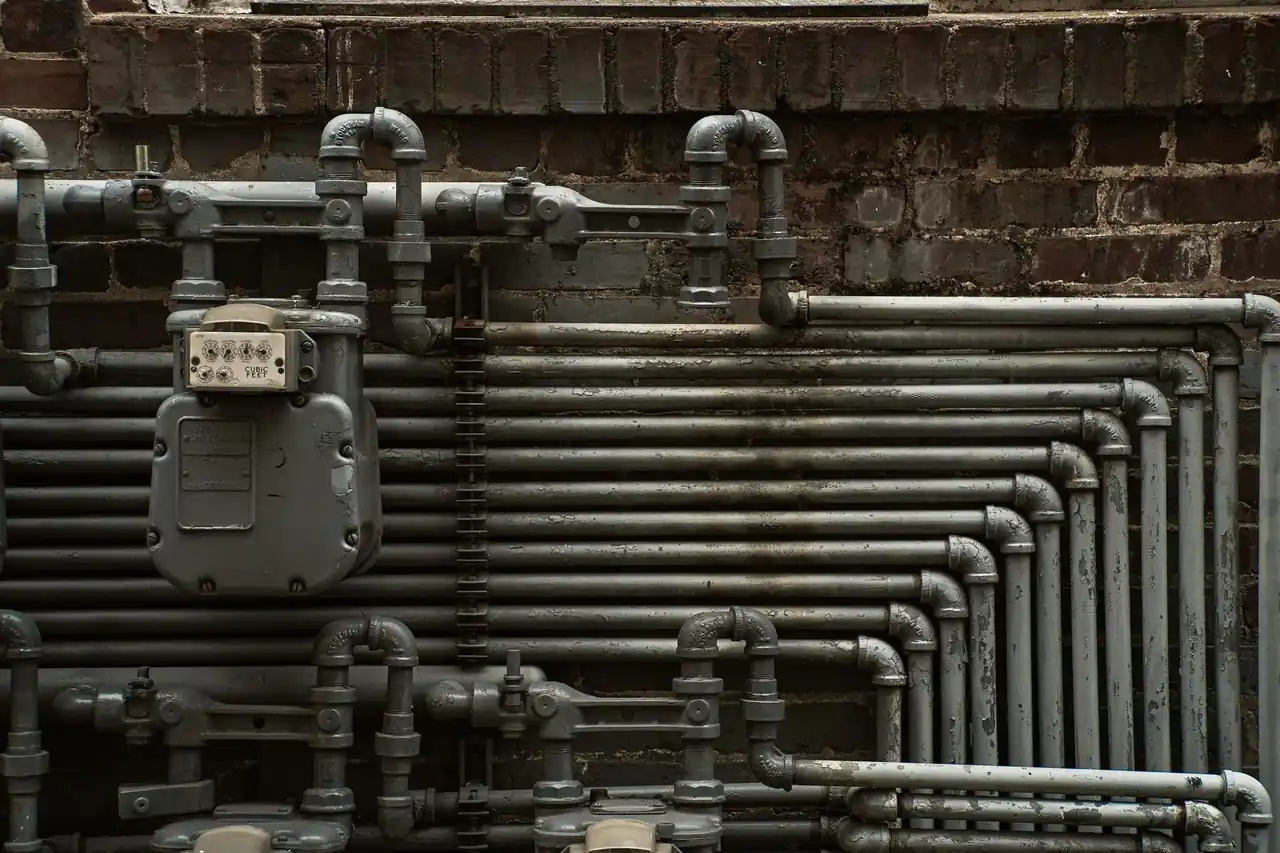
Fort Myers sewer work is vintage-pipe work: clay tile downtown, cast iron in the historic districts, and grease-loaded commercial laterals in the River District. Every price starts from how much does sewer line repair cost in Fort Myers for your specific line, answered by camera footage. Trenchless lining and bursting handle most of it; downtown jobs get scheduled around business hours. Emergency calls get same-week response, with jetting and camera on the first truck. Old pipe fails on its own schedule; we answer on ours.
When vintage clay or cast iron cracks but still holds shape, trenchless sewer repair in Fort Myers renews it without opening historic streets. A resin liner or bursting head travels the old line's path and leaves new pipe rated for decades. Brick streets, sidewalks, and heritage landscaping stay intact. Most jobs finish in a single day.
View service →02Shattered clay tile and fully collapsed cast iron need full replacement. Sewer line replacement in Fort Myers usually means pipe bursting: new jointless HDPE pulled through the old pipe's path from two small pits. Where bursting cannot run, careful open-cut with full street restoration handles it. City or county permits and inspections are included.
View service →03Cured-in-place lining builds a jointless pipe inside the old one: resin-soaked felt inverts into the line and cures in three to four hours. CIPP pipe lining in Fort Myers preserves brittle clay tile and corroded cast iron that could never survive excavation. The liner seals every joint against roots and grease in one visit.
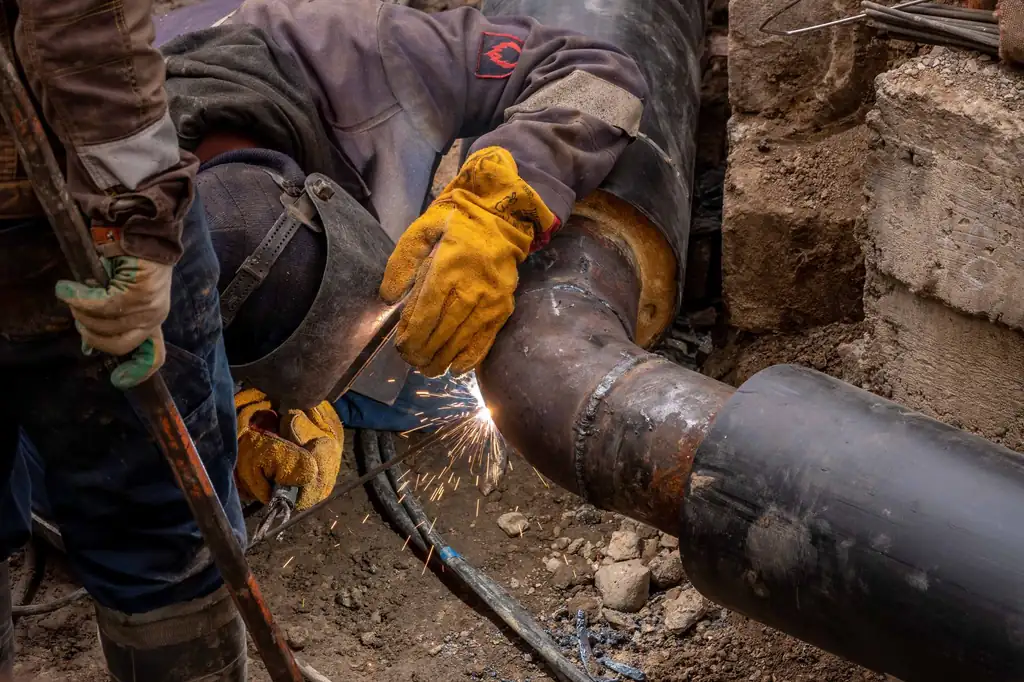
View service →04Pipe bursting fractures failed pipe outward while pulling new HDPE through the same path in one pass. In Fort Myers it replaces collapsed clay downtown and crushed sections under the McGregor oaks. Runs of 50 to 150 feet finish in a day from small pits. The fused HDPE has no joints for roots or grease to attack.
View service →05A waterproof camera travels the lateral from cleanout to tap while we watch live and record. Sewer camera inspection in Fort Myers maps vintage-pipe defects to the foot: cracked tile, thin inverts, root masses, bellies. Typical 2026 pricing is $189-$349. On old pipe, the video is the difference between a right fix and an expensive guess.
View service →06Hydro jetting scours the line with water at up to 4,000 PSI, cutting roots, grease, and scale. On vintage Fort Myers pipe we jet at controlled pressures with camera checks between passes, so brittle tile survives the cleaning. Downtown restaurant lines get grease-cutting passes scheduled off-hours. The camera verifies the result.
View service →07Historic-district cast iron rusts from the invert upward until the pipe bottom fails. Cast iron sewer pipe repair in Fort Myers usually means CIPP lining in place: a new jointless interior with no excavation through heritage landscaping. Fully failed inverts get targeted spot repair through one small pit.
View service →08A Friday-night backup in the River District cannot wait for Monday. Emergency sewer repair in Fort Myers sends a jetter and camera crew to stop the backup first, then diagnose on the spot. We clear the line, film it, and price the permanent fix before leaving. Commercial jobs run off-hours so business never stops.
View service →09When the camera finds one failed joint in an otherwise sound vintage line, full replacement is overkill. Sewer spot repair in Fort Myers opens a single targeted pit, cuts out the failed section, and splices in PVC with shielded couplings. Typical 2026 pricing runs $600-$2,500, permitted and inspected the same day.
View service →Every Fort Myers job starts with a sewer camera inspection in Fort Myers, because vintage pipe hides its failures well. The camera run takes one to two hours: locate the line, mark depths, and record from cleanout to tap, with special attention to clay tile joints and cast-iron inverts. Downtown commercial jobs are scheduled around business hours with staging planned off the main foot traffic. Historic-district residential jobs get small pits and full restoration to protect streets and landscaping. Trenchless lining and bursting handle most vintage pipe in a single day. City of Fort Myers or Lee County permits are pulled before work, with inspection before backfill. Homeowners asking about trenchless sewer line repair without digging in Fort Myers want one assurance above all: that the old street survives the new pipe. It does. Call (239) 448-0271 and the camera proves it. Permits, staging, and restoration are confirmed before the truck rolls, which is why downtown jobs finish without disrupting the block. Vintage streets demand that level of planning. We plan it. Every job is documented with video the property owner keeps.
Clay tile laterals under downtown and Dunbar are brittle with age; aggressive jetting or bursting heads can shatter sections beyond the repair zone. The crew has to match method to pipe condition joint by joint, which slows diagnosis and demands experienced hands. We jet vintage clay at controlled pressures and camera between passes, so the pipe condition guides every step. Where clay is too far gone, bursting replaces it with HDPE; where it holds shape, lining preserves it. The video record proves each decision.
River District jobs share alleys, sidewalks, and parking with active businesses. Equipment cannot block foot traffic, and work hours bend around restaurant service. A crew that stages wrong loses the day to logistics instead of pipe. We walk the block before scheduling: staging points, parking, business hours, and access are confirmed in advance. Commercial jobs run early mornings or off-hours, and the crew carries everything in one load. The block stays open while the pipe gets fixed.
The McGregor corridor's oaks have had a century to find every pipe joint, and their root masses are the densest in our service area. Standard snaking barely dents them. Lines here need full-pressure jetting before the camera can even see the pipe. We jet McGregor lines at full pressure with root-cutting nozzles, then film the clean pipe to map entry joints. CIPP lining seals those joints permanently; where roots have crushed sections, bursting installs jointless HDPE. The oaks stay; the roots stay out.
Sewer lateral work inside city limits requires a City of Fort Myers building permit, with county permits covering unincorporated areas. Inspections happen before backfill. We determine the jurisdiction from the address, pull the right permit, and include the fee in the quote.
Sewer lateral work in Florida must be performed by a state-certified or county-registered plumbing contractor. Downtown property managers should verify the license before approving vendors; unlicensed work voids permits and creates liability that follows the building.
Four failure modes own most Fort Myers sewer calls, and all four trace to the city's age: brittle clay tile, corroded cast iron, heritage-tree roots, and downtown grease. Trenchless sewer repair in Fort Myers was built for vintage infrastructure: diagnose gently, fix without digging, and document everything. Here is what the camera finds in the region's oldest pipe. Recognize your pipe in one of the four, and the fix is half decided. Old pipe, modern methods, proven results. That is the formula.
Downtown and Dunbar clay tile has been in the ground for generations, and it turns brittle with age. Seasonal soil movement cracks the tile, and each crack admits roots and soil. The pipe looks intact from the surface while failing joint by joint below. We jet at controlled pressures and camera between passes to avoid shattering brittle sections. Sound tile gets CIPP lining; shattered runs get pipe bursting with HDPE. The method follows the pipe's condition, joint by joint. Gentle diagnosis, decisive repair. That is the vintage-pipe rule.
McGregor corridor and historic-district cast iron rusts from the invert upward, thinning the pipe bottom until cracks form with serrated edges. Debris catches, flow slows, and backups follow. The pipe can look fine outside while paper-thin inside. The camera measures what eyes cannot. Lining installs a new jointless interior inside the corroded iron with no excavation. Where the invert has fully failed, targeted spot repair replaces just that section through one pit. Either way the home keeps its floors, walls, and landscaping intact.
A century of oak growth means root masses of unmatched density at every lateral joint along the corridor. Roots enter through tiny separations and expand until they crush clay sections outright. Standard maintenance cannot keep up. Only permanent joint sealing ends it. Full-pressure jetting with root-cutting nozzles clears the mass, then the camera maps every entry point. Lining seals joints permanently; crushed sections get burst-replaced with jointless HDPE. The oaks remain untouched throughout. Roots cannot penetrate what has no joints. The cycle ends here.
River District restaurants send grease into shared laterals for years, and it layers onto pipe walls until flow chokes. Combined with vintage pipe and root intrusion, grease turns a slow line into a Friday-night backup. Grease traps help; they do not solve lateral buildup. Commercial hydro jetting with grease-cutting passes strips the line to the wall, then the camera verifies condition. Sound pipe gets lined to resist future buildup; damaged sections get burst-replaced. Scheduled off-hours, the business never closes. Grease maintenance plans keep it clear.
Fort Myers orients around the river: the Edison Bridge carries the city's north-south flow, McGregor runs the historic corridor, and downtown sits at the river's edge. Our crews use the bridge for river crossings, McGregor for the oak corridor, and I-75 for fast regional movement. The winter estates mark the historic district. Dispatchers build every Fort Myers route off the river first. When you call, the dispatcher places your address against these points and gives a real arrival window. Crews arrive inside it or call ahead.
The river defining Fort Myers' north edge and the region's main waterway. It splits the city from North Fort Myers for dispatch, and every river crossing is planned around the bridges.
Carries US-41 across the Caloosahatchee between Fort Myers and North Fort Myers. Crews use it for every cross-river job, and its traffic patterns shape scheduling for both cities. It is the critical link.
The historic palm-and-oak boulevard running southwest from downtown. It defines the oak corridor for dispatch, and every address along it is flagged for heavy root intrusion before the crew arrives.
The historic winter homes on McGregor Boulevard, the city's most famous landmark. They anchor the historic district for orientation and mark the start of the oak corridor. Crews know the district well.
Runs east of the city with exits serving Fort Myers and the corridor. Crews use it for fast regional movement between the Naples base and northern jobs. It beats surface streets every time.
The historic commercial core with restaurants, bars, and offices along the river. Grease-loaded laterals and shared building lines are the norm. Work is scheduled around business hours with staging off foot traffic.
The commercial highway south of downtown with retail, restaurants, and services. High-use laterals and grease traps define the work. Jobs are staged to keep customer access open. Off-hours scheduling is standard.
The main river crossing between Fort Myers and North Fort Myers. Crews use it for every cross-river dispatch, and bridge traffic shapes the schedule for both cities.
The regional airport just east of Fort Myers. It matters for seasonal residents flying in to meet contractors, and it anchors the eastern edge of the service pattern.
Fort Myers runs from the river to the southern sprawl, and the pipe ages as you move. Downtown and the historic districts hold the oldest stock; the southern corridors run newer. These four areas cover most of our Fort Myers work. Everywhere else in the city gets the same vintage-pipe process: gentle camera work, trenchless fixes, full restoration.
Downtown's historic commercial core along the river, mixing restaurants, offices, and older residential blocks. Laterals here carry grease load and serve multiple tenants per connection. Jobs are scheduled around business hours with staging planned off foot traffic. The camera sorts shared lines before any quote. Downtown Fort Myers riverfront; crews arrive early each morning and stage off the main sidewalks.
The boulevard lined with heritage oaks and historic homes on vintage laterals. Root intrusion here is the heaviest in our service area. Full-pressure jetting plus camera is the standard opening, followed by lining or bursting. The oaks are never disturbed. Southwest Fort Myers along McGregor Boulevard; crews work the corridor north to south per trip.
The historic neighborhood east of downtown with some of the city's oldest clay tile laterals. Brittle pipe and decades of soil movement are the norm. Gentle jetting pressures and careful camera work guide every repair; lining preserves what bursting would shatter. East of downtown Fort Myers; crews pair Dunbar jobs with River District work each day.
The US-41 corridor south of downtown with mid-century commercial and residential mix. Laterals here span the 1960s through 1980s: cast iron, clay, and early PVC. Root intrusion and age share the blame. Standard camera-first process with trenchless fixes. Crews know these blocks well. The US-41 corridor south of downtown; crews cover it on every weekly run southbound weekly.
Three representative Fort Myers jobs: a downtown restaurant, a Dunbar clay tile line, and the McGregor oak roots. Vintage pipe, modern methods, one consistent process. If your property sits on the region's oldest pipe, one of these probably looks familiar.
A River District restaurant had backups every Friday night during season. The shared lateral served two neighboring businesses, and nobody knew who owned which section. The camera mapped the shared line and found grease-packed cast iron with root intrusion at three joints. We hydro jetted the full run, then lined the restaurant's section with CIPP in an overnight window. The neighbors' sections filmed clear, so they paid nothing. The video settled the ownership question permanently. Zero Friday-night backups through the season. The restaurant stayed open through the entire job, and the lined section carries a manufacturer-backed warranty. Grease management plus lining ended the cycle for good.
A Dunbar homeowner had slow drains for a year and feared the clay tile lateral was disintegrating. Two contractors had recommended full excavation through the front yard. Our camera showed brittle but standing clay tile with separated joints and no collapses. CIPP lining was the right call: a new jointless pipe inside the old tile, installed from two small pits with no excavation. The front yard was never opened. Gentle jetting pressures protected the brittle tile throughout. Drains ran clear immediately. The homeowner avoided a five-figure excavation and kept the heritage landscaping intact. The lined tile is rated for decades of service. The right diagnosis saved the yard.
A McGregor corridor home backed up every growing season as heritage oaks sent roots into every joint. Snaking bought weeks, never months. Full-pressure jetting with root-cutting nozzles cleared the mass, and the camera mapped root entry at seven joints plus two crushed sections. We lined the sound runs and burst the crushed sections with HDPE in a single day. The oaks were never touched. Seven joints sealed, two sections replaced, zero roots remaining. Three growing seasons with zero backups. The homeowner's annual root-clearing spend dropped to one preventive jetting. The jointless pipe gives roots nothing to enter. The oaks stand; the laterals hold.
October closes the June-to-November rain season, when vintage pipe has taken its annual beating from soil movement. Winter brings dry soil and seasonal residents, spring stays dry and workable, and summer reloads the rain. Each season treats old pipe differently. Homeowners comparing trenchless sewer line repair without digging in Fort Myers get the truest camera readings in fall, when the year's damage is fully developed. Book the camera in October; winter books up with seasonal arrivals. Schedule early. Old pipe waits for no one.
March through May offers the driest soil and steadiest scheduling. Rain-season damage is fully visible on camera, and downtown jobs move smoothly with tourist season winding down. It is the best window for planned vintage-pipe work. Book it early. Spring fills fast.
June through August saturates the soil and moves vintage pipe the most. Clay joints separate, bellies fill, and backup calls peak downtown and in the historic districts. This is emergency season for old pipe. Early gurgling ignored in July becomes a holiday-weekend backup.
September through November is the rain season's tail, with soil at maximum movement and vintage pipe at maximum stress. Camera inspections now show the complete year, making October the prime diagnostic month for old pipe. Backup risk stays high into October, then eases.
December through February brings dry soil, stable vintage pipe, and the city at full seasonal population. New arrivals discover lateral problems quickly, so inspection demand runs high. Planned work thrives in the dry months. It is the most predictable window for downtown and district work.
Fort Myers anchors the north end of our service corridor. Our Naples base in Collier County at 1274 13th St N, Naples, FL 34102 runs crews north via I-75 and US-41 daily, covering Naples ZIP codes 34101, 34104, and 34102 on the way. These nearby cities share the same crews and the same vintage-pipe expertise. One corridor, one dispatch board, one standard of work.
About 42 miles south via I-75 and US-41. Island jobs with high water tables contrast with Fort Myers' vintage clay, but the same crews run both ends of the corridor.
Local coverage and detailsAbout 18 miles south down US-41 or I-75. Its 1980s subdivisions carry newer pipe than Fort Myers' historic districts, giving crews both generations on one route.
Local coverage and details
About 12 miles south. Planned communities with HOA playbooks contrast with Fort Myers' historic streets, and crews switch between the two daily.
Local coverage and details
Roughly 8 miles north across the Edison Bridge. Mid-century riverfront homes on original lines make it the natural next stop past downtown.
Local coverage and detailsFort Myers' vintage pipe punishes guesswork harder than new pipe does. A wrong diagnosis on clay tile can shatter the line; a missed grease problem floods a dining room. These five questions separate contractors who understand old infrastructure from those who will learn on your building. Listen for specifics. A contractor fluent in vintage pipe answers all five without hedging; the rest will hedge on at least two. Hedging is the answer. Ask every bidder the same five. Compare the specifics.
Vintage pipe hides its condition; a quote without video is a guess on brittle clay. The camera shows joints, inverts, and collapses to the foot. Contractors who quote blind on old pipe either pad for the unknown or discover the real job mid-trench.
Aggressive jetting or bursting shatters brittle tile beyond the repair zone. The contractor should describe controlled pressures, camera between passes, and method matched joint by joint. A one-pressure-fits-all answer is a red flag on vintage pipe. Vintage pipe demands vintage-pipe technique.
Open-cut through historic districts means destroyed streets, sidewalks, and heritage landscaping. Lining and bursting fix most vintage lines from small pits. A digging-only shop sells its limitation as your only option. Ask what they do when the street cannot be opened.
Fort Myers straddles city and county jurisdictions, and the wrong permit stalls the job. The contractor should determine jurisdiction from the address, pull the correct permit, and meet the inspector. Get the permit number before work starts. Jurisdiction questions separate the locals from the visitors.
Liners and HDPE carry manufacturer warranties; the installer adds workmanship coverage in writing with years stated. On vintage pipe, the workmanship warranty matters most, because installation technique decides whether the repair lasts. Get both warranties in writing before the crew arrives.
Camera inspections cost $189-$349, and most trenchless repairs land between $8,000 and $17,000 or more. Vintage pipe needs gentle diagnosis, but the price bands match the rest of the region. Spot repairs run $600-$2,500. Full open-cut replacement is the outlier at $12,000-$75,000 or more, with downtown restoration pushing the top. The camera visit is the cheapest step; skipping it is the most expensive mistake on old pipe.
Most trenchless jobs finish in one day, with the line back in service that evening. The camera inspection takes one to two hours, with extra passes on brittle clay. CIPP liners typically cure in three to four hours. Downtown commercial jobs run off-hours but still finish in a day. Open-cut replacement takes three to five days with permits and inspections.
Yes, when the tile still holds its shape. CIPP lining installs a new jointless pipe inside the old tile with no digging. If sections have shattered, pipe bursting replaces them with HDPE. The camera decides: shape intact means lining, shape gone means bursting. Brittle tile needs controlled pressures; we jet gently and camera between passes. That care is standard on vintage pipe.
Yes. Work inside city limits needs a City of Fort Myers building permit; unincorporated areas fall under Lee County. Either way, inspection happens before backfill. Your contractor should determine the jurisdiction from your address and provide the permit number before starting. Unpermitted sewer work surfaces at resale and kills deals. Permitted work protects the property; unpermitted work threatens it. Always.
Yes. Historic districts get the same camera-first process with extra care for brittle pipe, heritage landscaping, and streetscapes. Trenchless methods are the natural fit: small pits, full restoration, and no open trenches through historic blocks. Old streets survive; new pipe goes in anyway. That is the whole point of trenchless on vintage blocks. Respect the street; fix the pipe. Always.
Not seeing your question? Our local team can help you understand urgency, scheduling and what to expect.
Ask the local teamReady when you are. Call (239) 448-0271 weekdays between 8am and 6pm and you will reach someone who can schedule a camera inspection or talk through what your drains are doing. For emergencies, describe the backup or odor and we will tell you what to do right now. Our office sits at 1274 13th St N in Naples, and we run service calls across Collier County daily.