Focused arrival windows
Useful updates and clear arrival timing.
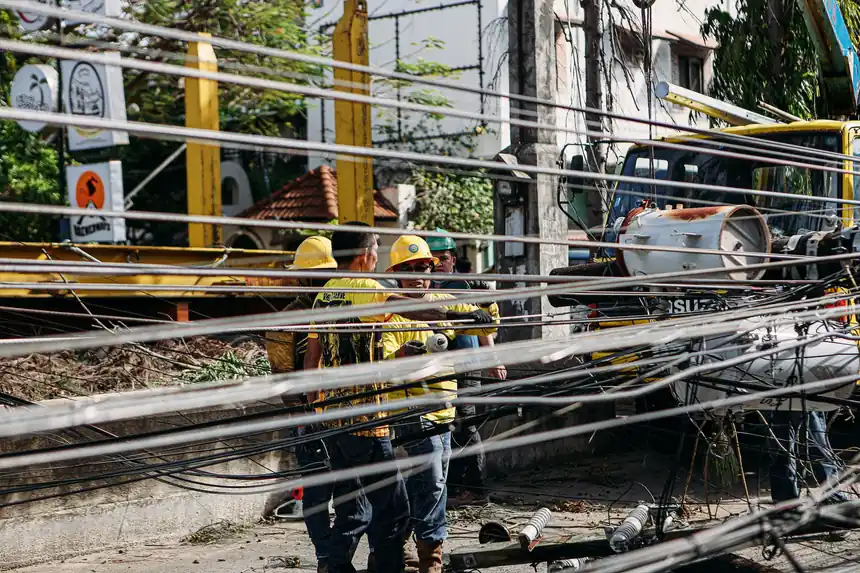
Pipe Bursting in Naples is the trenchless replacement method for sewer lines that are too far gone to line: collapsed sections, bellied pipe that has lost grade, and lines that need a larger diameter. A hydraulic rig pulls an expander head through the old pipe, fracturing it outward, while new HDPE pipe follows directly behind in the same pull. The yard, driveway, and slab stay intact, and the job typically finishes in one to two days.
Useful updates and clear arrival timing.
Review the approach and price before deciding.
Equipped vehicles and respectful cleanup.
Neighbors serving neighbors with follow-through.
A bursting project is a complete replacement: engineering, installation, restoration, and documented proof. Here is the scope and what would be quoted separately.
Recorded camera inspection plus surface survey confirming a clear bursting path, with utility locates completed along the full run before any digging.
Two shored access pits dug to pipe depth, with dewatering where the water table requires it. Backfilled in compacted lifts and surface-restored after the pull.
SDR-17 HDPE pipe heat-fused to the full run length, with every fusion bead inspected. Diameter matched to the home, with upsizing available.
New pipe tied into the house system and the city lateral with proper fittings, and the grade verified on camera after installation.
Recorded camera run through the new pipe documenting continuous HDPE, diameter, length, and grade, delivered with a written pipe specification.
Share what is happening and receive a clear next step from the local team.
Pipe Bursting in Naples is a trenchless pipe replacement technique that installs a brand-new pipe using the old pipe's path. The crew digs a small launch pit at one end of the run and a receiving pit at the other. A steel cable is threaded through the old pipe, attached to a cone-shaped bursting head, and connected to new high-density polyethylene (HDPE) pipe. The hydraulic rig pulls the head through the line, breaking the old pipe apart and pushing the fragments into the surrounding soil, while the new fused HDPE pipe slides into place behind it.
Bursting is the answer when CIPP lining is ruled out. Lining needs a pipe that is still round; bursting needs only a path. Collapsed clay sections in 1960s Golden Gate homes, Orangeburg pipe that has ovaled and deformed, cast iron with long collapsed runs under East Naples slabs, and undersized 3-inch laterals that cannot serve a remodeled home are all bursting jobs. A recorded camera inspection, typically $189 to $349, shows whether the pipe qualifies for bursting or needs open excavation instead.
The lateral is camera-inspected and recorded to confirm bursting candidacy: a clear path, no structures over the line, and utility crossings mapped. The crew marks the pipe path on the surface and completes private utility locates. In Naples, FL, gas and irrigation lines crossing the lateral are the usual items this step catches.
The launch pit goes in at the house end and the receiving pit at the street end, each about 4 by 4 feet and dug to pipe depth, usually 4 to 6 feet. Pits are shored for the loose Collier County sand, and dewatering pumps handle the high water table near the coast. This stage typically takes half a day.
A steel cable is threaded through the old pipe from pit to pit, attached to the expander head, and the new HDPE pipe string is fused to length and connected behind the head. The head is sized to the pull: large enough to fragment the old pipe and displace soil for the new diameter, small enough to control the pull force.
The hydraulic rig draws the head through the old line at a steady rate, fracturing clay, cast iron, or Orangeburg outward into the soil while the new HDPE follows directly behind. A 60 to 80 foot residential pull typically takes 4 to 8 hours. The crew monitors pull force continuously; a spike means an obstruction that gets investigated before continuing.
The new pipe is connected to the house system and the city lateral with code-approved fittings, the pits are backfilled in compacted lifts, and a final camera run records the new line end to end. You receive the video documenting the continuous new pipe, its diameter, and its grade.

Hydraulic puller sized to the job that draws the expander head through the old line at a controlled rate while monitoring pull force.
Cone-shaped heads in multiple sizes that fracture the old pipe outward and displace soil to make room for the new pipe diameter.
Heat-fuses HDPE pipe sections into one continuous string before the pull, with bead inspection at every fusion joint.
Confirms bursting candidacy before the job and documents the new pipe after, with surface marking of the pipe path.
Keep launch and receiving pits safe and workable in loose Collier County sand and high water table conditions.
Marks gas, electric, water, and irrigation crossings along the pipe path so the bursting plan accounts for every one.
A hydraulic rig pulls the expander head through the old line on a steel cable, fracturing the pipe outward while new HDPE follows behind. The controlled pull rate keeps ground displacement predictable.
An oversized head displaces extra soil so a larger diameter pipe can be pulled through the old path, typically 3-inch to 4-inch on older Naples residential laterals.
For partial replacements, bursting runs between two pits over just the failed section, tying into the sound remainder with code-approved transition couplings.
The new pipe's slope is checked with a level during connection and confirmed on the post-install camera run, holding the 1/8 to 1/4 inch per foot that gravity drainage requires.
Lining is ruled out on the camera footage. Bursting pulls 70 feet of new 4-inch HDPE through the old path from two pits at the yard edges in two days. Full flow restored, lawn untouched between the pits, project total $14,200. The fused HDPE has no joints for roots to find.
The camera shows standing water in each belly and good pipe between them. Bursting replaces the full 65-foot run, pulling the new pipe to continuous grade. Slow drains and recurring backups end because the grade problem is gone. Completed in two days for $13,600.
Bursting pulls 4-inch HDPE through the existing 3-inch path, upsizing capacity by about 75 percent while replacing the aging pipe at the same time. One project solves age and capacity together. Finished in a single day at $11,500 with the inspection fee credited.
The Orangeburg fragments cleanly under the bursting head. New 4-inch HDPE is pulled through the full 58-foot run from two small pits. The unusable Orangeburg is gone, replaced by rigid HDPE rated for decades. Two-day project, $12,900, no trench through the yard.
Pipe bursting in Naples runs into the city's oldest pipe materials. The 1960s subdivisions of Golden Gate and East Naples were built with clay and Orangeburg laterals that are now collapsing on schedule, and both materials burst cleanly, which makes this the highest-volume bursting territory in Collier County. The sandy soils displace easily under the expander head but cave easily in the pits, so every pit is shored. Near the coast in Park Shore and Old Naples, the water table sits high enough that pits need dewatering before the pull. Summer rain season, June through November, can add a day for pit work in saturated ground, so fall and winter are the most efficient bursting months. Permits run through Collier County with inspection of the connections before backfill.
1960s clay and Orangeburg laterals collapsing in sections. The materials fragment cleanly under the head, making this ideal bursting ground.
Bellied and collapsed runs in older ranches. Bursting restores continuous grade where lining would just follow the old pipe's sags.
Cast-iron laterals under finished slabs. Bursting from exterior pits replaces the line without the slab cutting that excavation would require.
Remodeled homes with undersized 3-inch laterals. Upsize bursting to 4-inch solves the capacity problem and the age problem in one pull.
High water table means dewatered pits, but the bursting work itself happens underground and is unaffected once the pits are dry.
These materials are past their service life and cannot be lined. They fragment predictably under the bursting head, which is why bursting is the standard replacement for them.
Pits need shoring and often dewatering, which is planned into every job. The bursting pull itself is unaffected by groundwater once the pits are established.
Saturated ground can add a day to pit excavation. Fall and winter scheduling keeps bursting jobs on their one-to-two-day timeline.
Decades-old yards and hardscaping make open trenches prohibitively expensive to restore. Bursting under them from two pits preserves the surface.
A 1965 home had two collapsed clay sections. Sewage backed into the tub with every laundry load, and jetting bought only a week of relief at a time.
Bursting pulled 70 feet of new 4-inch HDPE through in two days for $14,200. The lawn stayed intact, flow was restored the day the pull finished, and the fused pipe has no joints.
Maintenance: New HDPE needs no cleaning or root treatment. A camera check at year five confirms the installation is holding.
Three bellies along a 65-foot run held standing water and caused backups every few months. Lining was ruled out because a liner would follow the sags.
Bursting replaced the run with new HDPE pulled to continuous grade in two days for $13,600. The post-install camera shows full flow with no standing water.
Maintenance: Correct grade is permanent. No maintenance beyond normal use is required.
Deformed Orangeburg pipe had ovaled shut in two spots, and the line was unusable. The material was too far gone for any rehabilitation method.
The 58-foot run was burst to new 4-inch HDPE in two days for $12,900. The rigid new pipe will not deform under soil pressure the way Orangeburg did.
Maintenance: HDPE has no corrosion or deformation mechanism. The homeowner keeps the installation video with the property records.
Bursting is the replacement method for pipes that cannot be rehabilitated. These are the conditions that call for it.
A collapsed section blocks the line completely. Jetting clears it for days at most, and lining has no round pipe to form against. The bursting head fractures the collapsed section outward and pulls new HDPE through in the same operation. Flow is restored the day the pull finishes, with a full-diameter new pipe.
Sagging sections trap solids and cause chronic slow drains and backups that return within months of any cleaning. Bursting pulls the new pipe to a fresh, continuous grade. The bellies in the old pipe are irrelevant because the old pipe is gone, replaced by straight new HDPE.
A 3-inch line from the 1960s cannot serve added bathrooms. Fixtures compete for capacity and the line backs up under normal use. The expander head makes room for larger pipe, so 4-inch HDPE goes through the 3-inch path. Capacity increases by roughly 75 percent in the same operation as the replacement.
Orangeburg, the tar-paper pipe used in some 1960s Naples-area homes, ovals and collapses under soil pressure until the line is unusable. Bursting is the standard answer for Orangeburg because the material fragments easily under the head. The deformed pipe is replaced with rigid HDPE that will not deform.
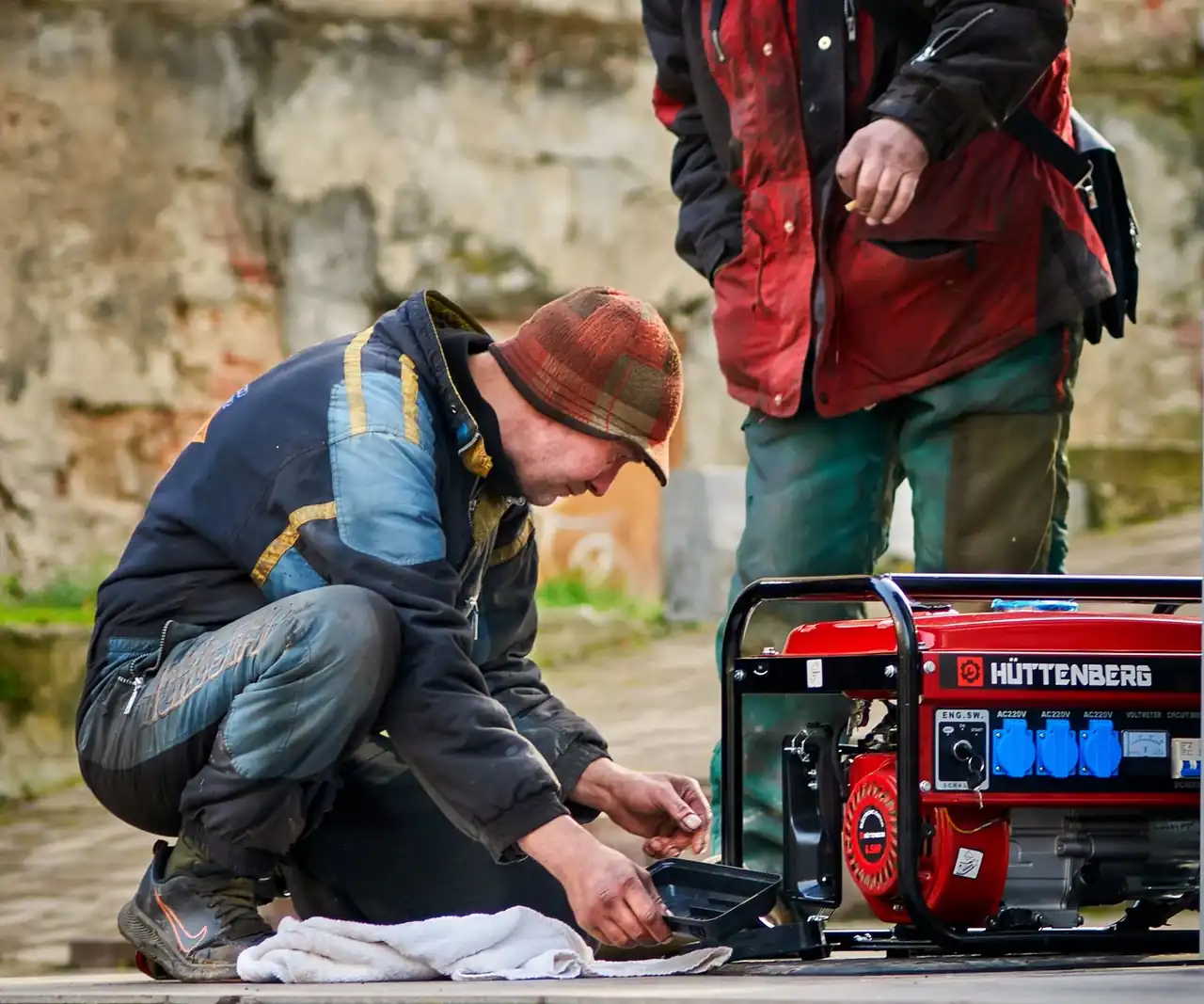
Pipe bursting looks like brute force and runs on calculation. Pull force has to overcome the old pipe's resistance without overstressing the new HDPE or heaving the ground above. The head size, the rig tonnage, the soil conditions, and the pipe diameter all interact, and misjudging any of them stalls the pull or damages the new pipe. Qualified bursting crews train through NASSCO programs and the equipment manufacturers, hold OSHA excavation certification for the pits, and carry competent-person designation for trench safety. In Naples, the experience that matters most is reading the local ground: loose sand that needs shoring, high water tables that need pumping, and the particular way 1960s clay and Orangeburg fragment under the head.
Most residential pipe bursting projects in Naples run $8,000 to $17,000-plus, or roughly $60 to $250 per linear foot. That is typical 2026 pricing for the area. Run length, diameter change, old pipe material, and pit conditions drive the final number. A camera inspection, typically $189 to $349, scopes the exact job before the bursting price is set.
Bursting wins whenever the pipe has lost its shape: collapsed sections, severe bellies, grade reversals, or pipe so deformed that a liner has nothing round to form against. It also wins when the line needs upsizing, since lining cannot change the diameter. The camera footage shows which method the pipe can take.
High-density polyethylene, HDPE, typically SDR-17 for residential sewer laterals. The sections are heat-fused into one continuous pipe with no mechanical joints, and manufacturers rate HDPE sewer pipe for 50 to 100 years. It does not rust, it resists root intrusion at its fused joints, and it flexes slightly with soil movement instead of cracking.
The ground displacement is controlled and localized around the old pipe's path, and only the two pits are open at the surface. Before any pull, private utility locates mark every gas, electric, water, and irrigation crossing, and the bursting plan accounts for each one. Lines with utility congestion that bursting cannot safely clear are quoted for excavation instead.
Not seeing your question? Our local team can help you understand urgency, scheduling and what to expect.
Ask the local team
Pipe bursting is one of the two replacement methods, alongside open excavation. When the camera shows the line is beyond repair, both methods are priced from the same footage so you can compare honestly.
View serviceThe no-dig family that includes pipe bursting and CIPP lining. Bursting is the replacement half of trenchless work: it installs new pipe, while lining rehabilitates the old pipe.
View service
The trenchless rehabilitation method for pipes that are damaged but still round. When the camera shows collapse or lost grade, lining is ruled out and bursting takes over as the trenchless answer.
View service
This page. Trenchless replacement that fractures the old pipe outward while pulling new fused HDPE pipe through in the same operation, handling collapses, bellies, and upsizing.
View service
Ready when you are. Call (239) 448-0271 weekdays between 8am and 6pm and you will reach someone who can schedule a camera inspection or talk through what your drains are doing. For emergencies, describe the backup or odor and we will tell you what to do right now. Our office sits at 1274 13th St N in Naples, and we run service calls across Collier County daily.