Focused arrival windows
Useful updates and clear arrival timing.
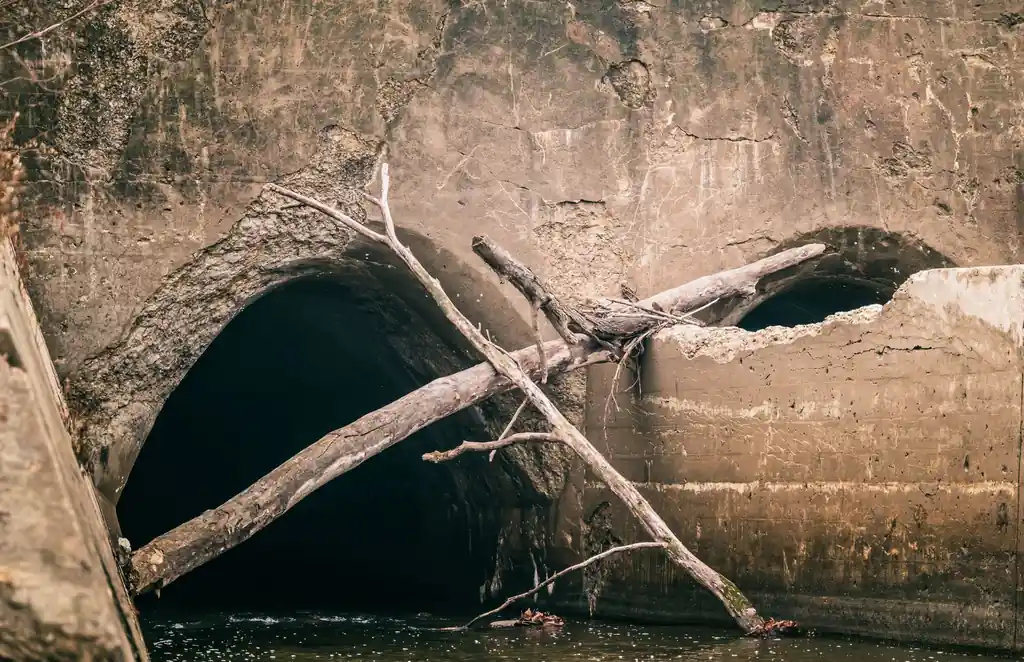
Sewer line repair in Old Naples works on the oldest pipe in the county: cast iron laid under cottages and bungalows decades before the rest of Naples existed. Trenchless Sewer Pros renews these laterals with CIPP lining and pipe bursting, no trenches through historic lots, no demolition of original floors. The camera goes in first and you watch the footage, so the fix matches the pipe. Call (239) 448-0271 for a straight diagnosis.
Useful updates and clear arrival timing.
Review the approach and price before deciding.
Equipped vehicles and respectful cleanup.
Neighbors serving neighbors with follow-through.
Sewer line repair in Old Naples is a specialized plumbing service that renews the area's oldest sewer laterals, usually without excavation. Downtown's cottages and bungalows went up decades before the surrounding suburbs, and their cast-iron laterals are the oldest in Collier County: rusting from the bottom, cracking with serrated edges, and narrowed by generations of scale. Many run under original wood and tile floors that cannot be replaced, on narrow lots where an open trench barely fits. A sewer camera inspection in Old Naples typically finds the same story on every block: bottom-rusted cast iron, root intrusion from the mature banyans and ficus trees that shade these streets, and joints separated by decades of soil movement. Trenchless sewer repair in Old Naples was made for exactly this. CIPP lining installs a jointless new pipe inside the old one through the existing cleanout, saving floors, walls, and lots in a single day. Where pipe is too far gone to line, pipe bursting replaces it from two small pits tucked into the narrow side yards downtown allows. Downtown owners get footage and a written plan before anything begins, every time.
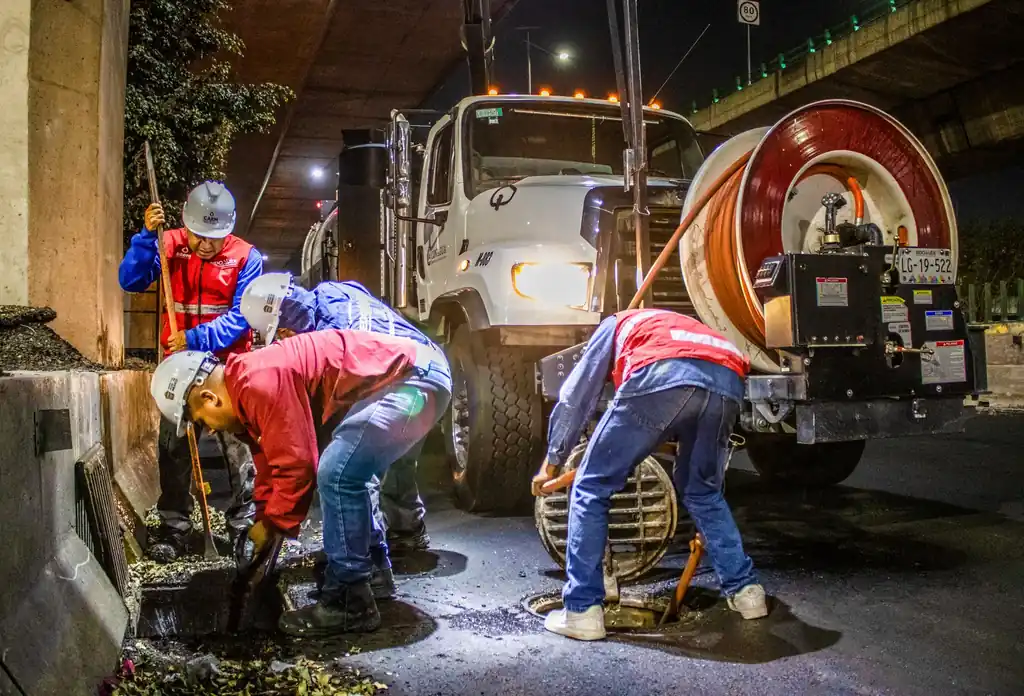
Every first call about sewer line repair in Old Naples asks the same thing: can you fix the pipe without destroying the house? The camera inspection answers it, with footage you watch and distance markers on every defect. Trenchless methods handle nearly every downtown job, because the lots and the floors demand it. The ten services below cover diagnosis through full replacement, all delivered with the historic fabric of the property protected. Historic-district owners: mention original floors when you call.
Trenchless sewer repair in Old Naples renews the district's oldest laterals without excavation. CIPP lining goes in through existing cleanouts; pipe bursting swaps collapsed pipe from two small pits sized for narrow lots. Most jobs finish in one to two days. Original floors, walls, and landscaping stay exactly as found, which is the whole point downtown.
View service →02When pipe is collapsed or back-pitched past lining, sewer line replacement in Old Naples goes in by pipe bursting along the existing path, with new HDPE at proper slope. Pits are planned to the inch for narrow side yards and alleys. Every replacement is permitted through Collier County and inspected before backfill, with documentation for the owner's records.
View service →03CIPP pipe lining in Old Naples installs an epoxy liner inside the existing pipe and cures it into a smooth, jointless new pipe rated to a 50-year design life per ASTM F1216. It is the standard answer for the district's bottom-rusted cast iron and root-invaded joints. Most residential liners complete in a single day with zero demolition.
View service →04Pipe bursting in Old Naples fractures failed pipe outward while pulling new HDPE in behind it, upsizing where the old line was undersized. Entry and exit pits are compact and carefully placed for tight lots. Typical 30 to 70-foot downtown runs finish in one to two days with a seamless new pipe.
View service →05A sewer camera inspection in Old Naples runs a push camera with locator sonde from cleanout to main, usually 60 to 90 minutes with footage you watch on site. Every crack, root mass, and belly gets a distance marker. Typical 2026 pricing runs $189 to $349. No downtown repair is quoted without one, because the footage is the plan.
View service →06Hydro jetting in Old Naples blasts 3,000 to 4,000 PSI water through the line, cutting decades of roots and scale back to the pipe wall. It is the mandatory prep before lining and the right standalone fix for a sound-but-choked line. The camera always runs first, which matters with pipe this old.
View service →07Cast iron sewer pipe repair in Old Naples is the core downtown specialty: the area's oldest pipe, rusting from the bottom and cracking at the joints after 50-plus years. Lining seals the full run jointless when the pipe holds shape; isolated failures get sectional repairs. The aim is ending the backup cycle without touching original floors.
View service →08Emergency sewer repair in Old Naples covers sewage backing into the lowest fixtures, which worsens with every flush. Stop running water, skip chemical cleaners that attack old cast iron, and call (239) 448-0271. The camera locates the problem first, then jetting or repair follows in the same visit when the pipe allows it.
View service →09Sewer spot repair in Old Naples fixes one failed section through a single small excavation, the right call when the camera shows long sound runs and one bad joint. Typical 2026 jobs run $600 to $2,500 depending on depth and access. On narrow lots, the pit is planned to fit the space available.
View service →Sewer line repair in Old Naples starts with the camera at the cleanout and a careful look at access: narrow side yards, alleys, and original floors decide the plan as much as the pipe does. The technician maps the lateral to the city main, marks every defect with distance readings, and shows the footage before any price is discussed. Then the job takes one of three paths: jetting for a sound-but-choked line, CIPP pipe lining in Old Naples for damaged-but-shaped pipe, or bursting for collapsed runs. How much does cast iron sewer repair cost in Old Naples? Typical 2026 trenchless projects run $8,000 to $17,000-plus depending on footage, with the $189 to $349 camera inspection first. Collier County permitting adds a few days before excavation work. Compact equipment fits the tight lots, pits are shored and backfilled the same day, and neighbors get notice before work starts on tight lots, and every pit is backfilled and raked the same day. You approve the method and the price before any repair begins, never after, in writing. Downtown jobs get photo documentation for the owner's files.
Old Naples laterals are the area's oldest, with pre-1972 cast iron that has outlived its design life by decades. Bottom rust, serrated cracks, and heavy scale are the norm, not the exception, and failures arrive as chronic backups rather than single events. CIPP lining renews even badly deteriorated pipe as long as it holds shape, which covers most downtown laterals. Collapsed runs get pipe bursting from compact pits. The camera grades every foot first, so the method always matches the pipe's actual condition.
Downtown lots are tight, with narrow side yards and alley access that rule out full-size excavation equipment. A traditional open trench may not physically fit, and staging areas are measured in feet, not yards. Trenchless methods need only a cleanout and two small pits, so tight lots are the norm, not the problem. Compact bursting and lining rigs fit where excavators cannot, and every pit location is planned to the inch before the crew arrives.
The heritage trees shading Old Naples streets send massive root systems toward every aging joint. Root masses here are the thickest in the service area, and they re-invade within a season if the joint is only cut, not sealed. Hydro jetting clears even wrist-thick roots at 3,000 to 4,000 PSI, then CIPP lining seals every joint in one continuous tube that roots cannot enter. The post-lining camera documents a sealed interior, ending the cycle the trees keep restarting. The seal is permanent.
Sewer replacement, bursting, and spot repairs in Old Naples require a Collier County building permit with inspection before backfill. Permits are pulled as part of the job, and the documentation goes into the owner's records, which matters for historic properties at resale.
New and replacement laterals must meet state code for pipe material, minimum slope, and cleanout placement. Inspectors verify these points at final, so every Old Naples installation is built to pass the first time, even on the district's tightest lots.
A sewer camera inspection in Old Naples finds the same four problems on most calls. Extreme pipe age, tight lots, heritage trees, and rain season combine into downtown's failure profile. Each has a trenchless answer that respects the historic property, and the footage shows which problem is driving the symptoms. Read them as a diagnostic checklist: match your symptoms, then let the camera confirm the cause. Two matching symptoms usually mean one problem, and the footage will show which. Start here.
Old Naples laterals include the oldest cast iron in Collier County, much of it 50 to 70 years old. It rusts from the bottom, cracks with serrated edges, and builds scale that chokes the bore. Failures arrive as chronic backups, not single events, because the whole run is deteriorating at once. CIPP lining renews the full run jointless from the inside whenever the pipe holds shape, which covers most downtown laterals. Collapsed sections get compact pipe bursting. Original floors and walls are never part of the work plan. The camera proves the renewal first.
The heritage trees shading downtown send massive root systems into every aging joint, and the roots here grow thicker than anywhere else in the service area. Cutting without sealing invites regrowth within a season, which is why downtown root problems never stay fixed with a rooter. Hydro jetting cuts even wrist-thick roots at 3,000 to 4,000 PSI, then lining seals every joint in a continuous tube roots cannot enter. The post-lining camera documents the sealed interior, ending a cycle the trees keep restarting. The seal is permanent downtown.
Seventy years of ownership means seventy years of patches: clay spliced to cast iron spliced to PVC, each joint a future failure. Downtown laterals often contain four or five material transitions, and the camera has to map every one before the method is chosen. Full-length lining bridges every transition in one continuous tube regardless of material, which retires the whole patchwork at once. Failed couplings get proper shielded replacements during sectional work. One pipe remains where five used to meet. The camera confirms it.
Decades of soil movement under downtown lots let pipe sections settle into bellies that hold standing water and solids. Solids accumulate, flow slows, and backups follow, worse every rain season as saturated soil shifts things further downtown each year in Old Naples. Pipe bursting re-establishes proper slope with new HDPE along the same path, using compact pits that fit tight lots. Where grade is sound and joints are the issue, CIPP lining bridges them without disturbing the soil. The camera confirms grade before sign-off.
Sewer line repair in Old Naples covers the historic downtown grid from the beach to US-41, and crews navigate by landmarks everyone downtown knows. Customers can use the same points to describe their location when they call. Naming the nearest one gets the crew routed without backtracking through the narrow downtown streets. Crews stage by zone downtown, so the nearest landmark gets the fastest routing. The daily downtown circuit covers the full grid, beach to US-41, every day. Call with your nearest landmark ready.
Downtown's main street, lined with shops, galleries, and restaurants. Crews use it as the central reference for the historic district, with the surrounding cottage streets described by their block off the avenue.
The landmark fishing pier at the west end of 12th Avenue South. It anchors the beach side of Old Naples and orients routes to the cottages and estates in the blocks between the pier and downtown.
The working waterfront and marina at the south end of 12th Street South. It marks the southern edge of the core service area and helps place calls from the cottages and homes around the cove.
Downtown's premier shopping and dining avenue, surrounded by the historic residential grid. The avenue's commercial laterals handle restaurant loads while the cottages behind it carry the district's oldest residential pipe.
The gallery and boutique corridor a few blocks south, mixing commercial frontage with historic homes. Nearby residential laterals run the same vintage cast iron as the rest of downtown Old Naples.
The highway bordering downtown Old Naples to the east. Crews reach the entire historic grid from Tamiami Trail, running west into the narrow streets on the daily downtown circuit.
The general aviation airport east of downtown, reached via 5th Avenue South and Davis Boulevard. It marks the eastern reference for routing crews across Old Naples and the surrounding districts.
Sewer line repair in Old Naples covers the historic downtown grid and the neighborhoods around it, where the pipe is oldest and the lots are tightest. These are the areas where the work concentrates. Every downtown street runs on the same camera-first, trenchless-first process from the Naples base. Cottages, corridors, and coves all get the same camera-first process every day.
The 5th Avenue South district is downtown's main street, ringed by historic cottages and bungalows on tight lots. Laterals here are among the oldest in the county, running under original floors to the street main. Lining through the existing cleanout is the standard fix, with zero interior disruption. Right at downtown's center, reached in minutes from anywhere in Old Naples, every single day.
The 3rd Street South corridor blends historic homes with shops and galleries, where commercial and residential laterals share the old downtown infrastructure. Original cast iron dominates, now at chronic-failure age. Camera inspections here often find decades of spliced repairs in a single run. A few blocks east of the beach, covered on the daily downtown circuit every day year-round.
The Crayton Cove area around the city dock holds waterfront cottages and older homes near the marina. High water table joins old pipe age here, so infiltration compounds the cast-iron failures. Lining seals both the cracks and the groundwater entry in one watertight tube. Served daily via the cove roads off 12th Avenue South, every day of the year.
The Lake Park neighborhood south of downtown holds mid-century homes on slightly larger lots, with 1960s and 70s cast iron under slab. Root intrusion from mature street trees is the top complaint. Jetting followed by lining resolves most of these without disturbing the lots. Reached via the neighborhood streets south of downtown; the daily route covers it all year-round.
Sewer line repair in Old Naples follows one rule: save the house, fix the pipe. These representative project snapshots show how downtown jobs typically play out, from the camera findings to the final walkthrough. Original floors and tight lots run through all of them. No two are identical, but the decision logic repeats: footage first, method matched to the pipe.
A 1950s cottage near 5th Avenue South had chronic backups from 47 feet of original cast iron under the home's original wood floors. Camera inspection showed bottom rust and heavy scale but intact pipe shape, ideal for lining. A CIPP liner went in through the exterior cleanout and cured the same day, renewing the full run jointless. The original floors were never touched, and the narrow side yard needed no pit at all in Old Naples. One-day lining with zero interior disruption. The project landed in the typical $9,000 to $13,000 range, and the final camera documented a smooth new bore inside the 1950s pipe for the owner's records.
A historic home shaded by mature banyans lost drainage every few months as wrist-thick roots packed the joints of its clay and cast-iron lateral. Hydro jetting at 4,000 PSI cut the root masses back to the pipe wall, then sectional CIPP lining sealed the six worst joints in one continuous section. The camera mapped each joint with distance markers so only the failed stretch was lined. The post-lining camera verified every sealed joint downtown. Single-day, two-step repair with the trees untouched above ground. Total fell in the typical $4,000 to $7,000 range, and the sealed joints ended a root cycle that had run for years.
An alley-access cottage had a collapsed 22-foot section with no side yard access for standard equipment placement on a tight downtown lot. Pipe bursting replaced the collapsed section along the same path, with compact pits dug at the alley and the house wall. New HDPE went in at proper slope, and Collier County inspected the work before the pits were backfilled the same day. Downtown neighbors were notified before work started downtown. Two-day project in a space most contractors would have walked away from. The total fell in the typical $8,000 to $11,000 range, with county sign-off filed to the owner's records.
Sewer line repair in Old Naples runs year-round, because pipe this old does not wait for rain season to fail. Still, October brings the annual peak, when saturated soil stresses the oldest joints in the county. Owners searching how much cast iron sewer repair costs in Old Naples, FL usually ask after the year's worst backup. Here is how each season shapes downtown work. Plan with the calendar: spring camera work is the cheapest insurance downtown, and fall is the season to avoid surprises.
Dry season winds down and downtown's trees push roots hardest toward pipe joints. Spring is the ideal window for camera inspections, with dry soil giving the clearest locator readings and open schedules before summer demand. Planned lining jobs booked now finish before the rains.
Rain season starts in June and saturated soil works the oldest joints in the county. Backup calls climb through August as bellies fill and separated joints admit soil. Trenchless repairs stay practical with small pits, since open trenches have no room on downtown lots anyway.
October and November bring the peak: maximum soil saturation against maximum pipe age. Emergency slots fill fastest now, and the failures tend to be the dramatic kind, collapses and major separations that waited decades to let go. October never disappoints.
Dry season returns and seasonal residents fill the downtown cottages. Winter is the best window for planned lining and replacements, with firm ground, no rain delays, and open schedules. Returning owners often discover what the summer did on arrival day.
Trenchless Sewer Pros runs sewer line repair in Old Naples and across Southwest Florida from the same Naples base. Historic districts, beach towns, and family neighborhoods nearby get the same camera-first process and written quotes. Call (239) 448-0271 from any of these cities for the same straight answer. Same Naples base, same crew standards, and same written quotes on every call.
South of Old Naples, a barrier island of waterfront estates and condos with aging coastal laterals.
Local coverage and details
North along US-41, where older beach cottages match Old Naples' pipe vintage.
Local coverage and details
North along the US-41 and I-75 corridor, mixing new villages with established neighborhoods.
Local coverage and details
Further north in Lee County, with historic neighborhoods whose old pipe matches downtown's.
Local coverage and detailsMost Old Naples homeowners hire a sewer line repair contractor once, and the historic property raises the stakes on every answer. A strong contractor talks about the house as much as the pipe: floors, lots, trees, access. A weak one quotes a method without seeing the footage. Use these five on every bid in Collier County. Bring this list to every estimate. Favor the contractor who talks about your house, not just your pipe, and who shows footage before quoting anything.
In a historic downtown home, the floors and finishes are irreplaceable, so the method has to work from outside. The honest answer is trenchless-first with demolition only as a documented last resort. Any contractor who starts with interior access has not worked downtown.
Downtown laterals hide spliced materials and decades of patches that only the camera reveals. Footage with distance markers is the only basis for the repair plan and the price. A quote without video is a guess, and guesses get expensive under old houses.
The answer should describe compact equipment, pit placement planned to the inch, and neighbor notification. Full-size excavation gear does not fit most downtown lots, so a contractor without a tight-lot plan is planning to improvise on your property. Get the access plan in writing.
Sewer replacement and bursting need a county permit with inspection before backfill, and historic properties need clean records at resale. If permits are left to you, delays and liability land on you. Both should be handled in-house with documentation for your files.
Liner manufacturers publish long design lives, but the contractor's installation warranty is what you claim against. Get the term, the exclusions, and the claim process in writing before work starts. On a historic home, the warranty paperwork matters as much as the repair.
Typical 2026 costs in Old Naples: $189 to $349 for a camera inspection, $600 to $2,500 for a spot repair, $8,000 to $17,000-plus for full trenchless lining or pipe bursting. Excavation runs $12,000 to $75,000-plus before restoring original floors, which is why trenchless dominates downtown. The camera sets the real number, since pipe age and access move every quote in Old Naples.
Many are 50 to 70 years old. Downtown's cottages and bungalows predate the surrounding suburbs, and their original cast-iron laterals are the oldest in Collier County. That age shows on camera as bottom rust, serrated cracks, and heavy scale. A camera inspection tells you exactly where your line sits on that timeline, which is leverage in any negotiation in Old Naples.
Yes. Trenchless methods were made for tight access: CIPP lining needs only the existing cleanout, and pipe bursting uses two small pits planned to the inch. Compact equipment fits side yards and alleys where excavators cannot go. Mention the access constraints when booking so the right rig arrives. Downtown access is planned to the inch, never improvised. Get the plan in writing before work starts.
Not if the joints are sealed. Cutting roots without sealing just invites regrowth, which is why downtown root problems recur. CIPP lining creates one continuous jointless tube with no entries, so roots have nothing to invade. The post-lining camera documents the sealed interior as proof. Roots cannot re-enter what has no joints, which is the whole point of lining downtown.
Yes. Collier County requires a plumbing permit for sewer replacement, bursting, and spot repairs, with a county inspection before backfill. CIPP lining is permitted as well. The permit paperwork is handled as part of the job, and the records matter for historic properties at resale. Keep the paperwork with the house files, because buyers and their inspectors will ask for it.
Not seeing your question? Our local team can help you understand urgency, scheduling and what to expect.
Ask the local teamReady when you are. Call (239) 448-0271 weekdays between 8am and 6pm and you will reach someone who can schedule a camera inspection or talk through what your drains are doing. For emergencies, describe the backup or odor and we will tell you what to do right now. Our office sits at 1274 13th St N in Naples, and we run service calls across Collier County daily.