Focused arrival windows
Useful updates and clear arrival timing.
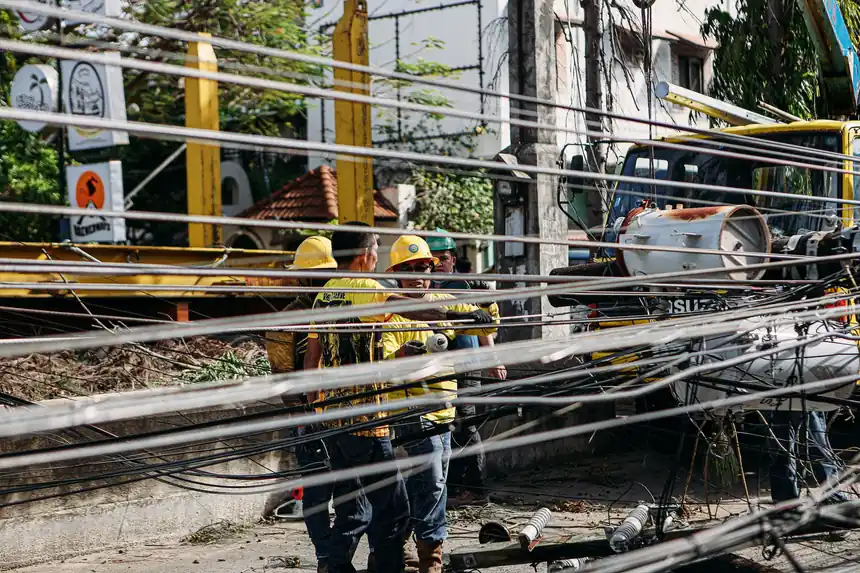
Cast Iron Sewer Pipe Repair in Naples is the specialty most pre-1972 homeowners eventually need. Miles of cast iron sewer pipe run under concrete slabs across Collier County, rusting from the bottom up until backups become routine. Trenchless methods like CIPP lining and pipe bursting fix these lines without cutting your slab or trenching the yard. Call (239) 448-0271 for a camera diagnosis that shows exactly what your cast iron line needs.
Useful updates and clear arrival timing.
Review the approach and price before deciding.
Equipped vehicles and respectful cleanup.
Neighbors serving neighbors with follow-through.
Cast iron sewer pipe repair is a diagnostic-led service, and the price always starts with knowing exactly what the pipe needs. The camera inspection is the foundation: without it, any repair quote is a guess. Cleaning and descaling are quoted separately from structural repair, so you see what each step costs. Lining, bursting, and spot repairs each carry flat pricing based on measured footage and the damage the camera documented.
A full camera run mapping every foot of the lateral, with footage you watch together with the technician and a written diagnosis classifying scale, cracks, channel rot, bellies, and collapse. Distance markers locate each defect to the foot, so repair planning is exact.
Chain flail and hydro jetting work that strips rust scale and tuberculation back to bare metal, restoring diameter and preparing the surface any lining needs to bond properly. The camera verifies a clean, round interior before any liner goes in.
A plain-English repair plan with flat pricing for each viable option: lining, bursting, spot repair, or replacement. The recommendation follows the footage, and the choice is yours. Every option includes a timeline, so you can plan around the work confidently.
Installation of the selected method: liner inversion and cure, pipe bursting with new HDPE, or targeted excavation of the failed section. Most trenchless jobs complete in one to three days. The crew protects floors and landscaping, and you get updates as each stage completes.
A final camera run through the finished work, with footage saved for your records. You see the lined interior or new pipe on video, plus a written summary documenting the repair for future buyers. That documentation answers any questions a future buyer asks about the line.
Share what is happening and receive a clear next step from the local team.
Cast Iron Sewer Pipe Repair in Naples is a set of trenchless and targeted methods that restore or replace rusted cast iron sewer lines when descaling and cleaning are no longer enough. The work starts with a camera inspection that maps every foot of the line, identifying scale, cracked joints, channel rot, and collapse. Sound-but-scaled pipe gets descaled with chain flails and hydro jetting. Cracked or leaking pipe gets a cured-in-place epoxy liner installed through a cleanout, creating a jointless new pipe inside the old one. Collapsed sections get pipe bursting, which pulls new HDPE through the old path, or a targeted spot repair when only one section has failed.
Naples homeowners need cast iron sewer pipe repair more than almost any Florida market, and the reason is the building stock. Much of Collier County was built before 1972 with cast iron laterals poured under concrete slab, and cast iron rusts from the bottom where wastewater sits, leaving serrated edges that catch debris until backups become routine. Tropical roots invade the aging joints twelve months a year, and rain season shifts the saturated soil around the pipe. If your home predates 1972 and backups return within weeks of snaking, the pipe itself is failing, and old pipe replacement in Naples FL starts with a camera, not a shovel.
The job starts with a full camera inspection from the house to the city connection or septic tank. The technician maps footage, pipe material, and every defect: scale, cracks, channel rot, bellies, and collapse. You watch the footage together and get a written diagnosis with repair options and real numbers. This inspection, typically $189 to $349, is the foundation every honest quote is built on.
If the pipe is sound but scaled, descaling comes next. Chain flail tools and hydro jetting strip rust scale and tuberculation back to bare metal, restoring diameter and giving lining a clean surface to bond to. This step takes a few hours and is non-negotiable before lining: epoxy cannot bond to loose scale. The camera verifies the pipe is clean before the crew moves on.
With the camera footage in front of you, the options are laid out plainly: lining for cracked-but-shaped pipe, bursting for collapsed sections, spot repair for isolated failures, or full replacement when nothing else fits. Each option carries a flat price and a timeline. The recommendation follows the footage, and the decision is yours with no pressure tactics.
The chosen method is installed: a CIPP liner is inverted or pulled in, saturated with epoxy, and cured in place over several hours; bursting pulls new HDPE through the old path; spot repairs excavate only the failed section. Most trenchless jobs finish in one to three days. The work area is protected, and you are updated as each stage completes.
The camera goes back through the finished work for a full verification run. You see the smooth lined interior, the new pipe sections, and proper flow on camera. The footage is saved for your records along with a written summary of what was done. This documentation protects your investment and answers any future buyer's questions about the line.
A waterproof camera on a 100-to-200-foot rod that maps every foot of cast iron, locating scale, cracks, channel rot, bellies, and collapse with distance markers.
Spinning chains that shatter rust scale and tuberculation inside cast iron pipe, restoring diameter and preparing a clean surface for epoxy lining.
High-pressure water at 3,000 to 4,000 PSI that flushes descaled debris and strips remaining scale, used with rotating nozzles on corroded iron.
Felt or fiberglass liner saturated with two-part epoxy, sized to the pipe diameter, which cures into a jointless structural pipe inside the old cast iron.
Equipment that installs the saturated liner evenly through the pipe, either by inverting it with air or water pressure or pulling it into position.
A conical bursting head that fractures old pipe outward while pulling new high-density polyethylene pipe through the path in a single run.
An epoxy-saturated felt liner is inverted or pulled into the cleaned cast iron pipe, then cured with hot water, steam, or UV light. The result is a jointless structural pipe inside the old one, sealing every crack and joint in the lined section.
A bursting head fractures the failed pipe outward while new HDPE pipe is pulled through the same bore path. Used when cast iron has collapsed or lost structural shape that lining needs to follow. Entry and exit pits are the only excavation, and the new pipe is full-diameter.
A short liner or a small excavation fixes a single failed joint or section while the rest of the line stays in service. The most economical option when the camera shows isolated damage in otherwise sound pipe. Most spot repairs finish in a single day.
Chain flails and hydro jetting strip scale and tuberculation before any lining work. Skipping this step is the most common cause of liner failure, so the camera verifies a clean, round interior before the liner goes in. Descaling is quoted as its own line item, never buried.
The camera reveals heavy scale plus two cracked joints under the slab. Descaling restores the diameter, then a sectional liner seals the cracked joints. The whole job runs through the existing cleanout, and the tile floors are never touched. The backup cycle ends the same week. The camera shows the true condition of the iron, descaling restores flow, and lining or spot repair fixes the structural failures, ending the backup cycle the house has suffered for years.
A camera inspection documents the exact condition, descaling plus a spot repair fixes the cracked joint, and the buyer receives the before-and-after footage. The repair costs a fraction of full replacement and satisfies the inspection objection completely. The sale proceeds on schedule. The buyer gets a documented, warranted line instead of a negotiating weapon, and the seller closes without a last-minute price cut.
Descaling clears the intrusion, then CIPP lining seals the full lateral with a jointless interior. Roots cannot penetrate epoxy, so the annual root battle ends permanently. No trench crosses the root zone, and the tree is never threatened. The oak keeps shading the house for decades. The lined section gains a jointless epoxy interior engineered for decades, the roots lose every entry point, and the oak tree stays exactly where it is.
The camera isolates the damage to a six-foot stretch. A spot repair excavates only that section through one small pit, installs new PVC with shielded couplings, and the camera verifies grade and flow before backfill. The yard is restored the same week. The homeowner pays for one bad section instead of a full lateral, the rest of the sound pipe keeps serving, and the camera footage documents exactly what was fixed.
Cast iron sewer pipe repair in Naples, Florida is shaped by when the city was built. The pre-1972 construction boom put cast iron laterals under concrete slabs across Old Naples, Park Shore, Golden Gate, and East Naples, and that pipe is now 55-plus years old. There are no basements to work from and often no cleanouts, so diagnosis starts with a camera through a pulled toilet and repair planning assumes trenchless-first. Collier County typically requires permits for sewer replacement work, and reputable contractors handle that paperwork as part of the job. From June through November, rain season saturates the sandy soil and stresses corroded joints, which is why fall camera inspections catch so many failures early. For homeowners searching trenchless pipe lining in Naples, the local reality is simple: the pipe is old, it is under the slab, and the fix should not require destroying the house to reach it.
The densest concentration of pre-1972 cast iron under slab, where lining saves historic terrazzo floors and mature landscaping from excavation.
Waterfront homes with aging cast iron and aggressive root intrusion from mature landscaping, where single-joint spot repairs are common and routine.
Mixed 1960s and 1970s stock with long laterals to the street, where pipe bursting often beats lining on collapsed sections.
Older ranch homes where cast iron meets shifting rain-season soil, producing the bellies and separated joints cameras find each fall.
Most homes in the pre-1972 building stock have no basement or crawlspace, so the sewer lateral is buried under the slab where it cannot be seen or easily reached. Trenchless methods were made for exactly this situation: lining and bursting need only small access points.
Saturated sandy soil shifts around aging pipe, stressing already-corroded joints and opening cracks that roots invade. Camera inspections scheduled in the fall often catch rain-season damage early, before it becomes a collapse.
Ficus, banyan, and palm roots never go dormant in Florida, and they target the joints of aging cast iron relentlessly. Lining eliminates every joint in the lined section, which is why it ends the root cycle permanently.
A 1965 ranch in Old Naples had backed up four times in eighteen months. The camera showed heavy tuberculation narrowing the 4-inch cast iron to under 2 inches, with two cracked joints leaking wastewater under the slab. Excavation would have meant cutting through the original terrazzo floors.
The liner cured in place over three hours, and the final camera run showed a smooth, jointless interior with full 4-inch diameter restored. The homeowner kept the terrazzo floors and the mango tree. Maintenance: a camera check every three years and annual root jetting at the city connection keep the lined pipe performing.
Maintenance: A camera check every three years and annual root jetting at the city connection keep the lined pipe performing for decades. Chemical drain cleaners are unnecessary and best avoided, since the smooth epoxy interior sheds debris on its own.
A Park Shore homeowner had one joint in an otherwise sound cast iron line that roots entered every spring. Three jettings in two years bought months at a time, but the joint was cracked and the roots kept returning. The rest of the line tested sound on camera.
The new PVC section was tied in with shielded couplings, the camera confirmed grade and flow, and the repair passed inspection. Total open trench: one 4-by-6-foot hole in the side yard, refilled and sodded the same week. Maintenance: annual camera checks at the repair joints and keeping deep-rooted plants away from the trench line protect the fix.
Maintenance: Annual camera checks at the repair joints and keeping deep-rooted plants away from the trench line protect the fix long-term. The new PVC section will outlast the remaining cast iron, and the footage from each check documents its condition.
An East Naples home built in 1961 had a cast iron line that had collapsed in two places under the driveway. Lining was not an option, and traditional replacement meant cutting the slab through the living room. The homeowners wanted the pipe fixed without gutting the house.
The bursting head pulled 85 feet of new HDPE through the old path in a single day, with entry and exit pits dug at the cleanout and the curb. The camera verified every foot. The homeowner avoided an estimated $40,000-plus slab excavation. Maintenance: the new HDPE line needs no descaling, just a camera check every five years and normal root maintenance at the joints.
Maintenance: The new HDPE line needs no descaling, just a camera check every five years and normal root maintenance at the connection joints. Fused HDPE has no joints for roots to invade along its run, so maintenance focuses on the two connections.
Cast iron sewer pipe repair in Naples solves the failure modes that cleaning cannot touch. Once the pipe itself is cracked, holed, or collapsed, no amount of jetting restores it. These are the problems the camera finds and trenchless methods fix. Each one below starts with what the camera shows and ends with the repair that fits.
Each backup risks flooding bathrooms and laundry rooms, and the standing wastewater accelerates corrosion at the crack, widening the damage. When backups return that fast, the pipe is structurally failed: cracked joints, channel rot, or collapse that catches debris no cleaning can remove. The camera pinpoints the failure, and lining or spot repair eliminates it. After repair, the smooth interior has nothing for debris to catch on, and the backup cycle ends.
Wastewater leaking under the slab erodes soil, undermines the foundation, and can go undetected for months while damage compounds by the time it surfaces. A camera inspection locates the cracked section to the foot. Cured-in-place lining seals the entire lateral with a jointless epoxy interior, stopping the leak without cutting concrete. For isolated cracks, a sectional spot repair replaces just the failed stretch. Either way, the leak stops and the slab stays intact.
Roots widen the joints they enter, and the pipe eventually cracks at the joint, turning a maintenance issue into a structural failure. Descaling clears the current intrusion, then lining eliminates every joint in the lined section, permanently closing the entry points. Roots cannot penetrate a jointless epoxy interior. For lines where only one or two joints are compromised, spot repairs replace those sections and the root cycle stops.
Wastewater pools in the sag, solids settle out, and the line clogs from the inside even though the pipe walls are intact. Lining cannot fix a belly because the liner follows the existing grade. The camera measures the sag, and the honest answer is usually a spot repair or bursting to restore proper slope through that section. Getting this diagnosis right matters: lining a bellied line wastes the investment.
Cast iron under slab is unforgiving work. You cannot see the pipe, you cannot easily reach it, and the wrong call costs the homeowner tens of thousands. Reading a cast iron camera inspection means knowing the difference between surface scale that descaling will fix, channel rot that needs lining, and collapse that needs replacement. That judgment comes from local experience with Naples pipe stock: pre-1972 cast iron under slab, the way it fails, and which trenchless methods suit each failure mode.
Trenchless lining for a typical Naples home runs $8,000 to $17,000, which reflects typical 2026 pricing in the area. A 2,000-square-foot home with a full cast iron lateral often lands around $17,000 for complete epoxy lining. Targeted spot repairs run $600 to $2,500 per section. Full traditional excavation under slab can reach $50,000 to $75,000 or more. The camera inspection, typically $189 to $349, tells you which of these your pipe actually needs before you commit.
Yes, in most cases. Cured-in-place lining installs a new epoxy pipe inside the old cast iron through a cleanout, with no trench and no concrete cutting. Pipe bursting replaces collapsed sections through small entry and exit pits. Digging is only necessary when the line has lost grade entirely or access is blocked. The camera inspection determines which trenchless option fits, and most pre-1972 Naples homes qualify for one of them.
A camera inspection gives the definitive answer, and it costs a fraction of any repair. Cleaning alone is enough when the camera shows intact pipe with scale or roots but no cracks. Repair is needed when the footage shows cracked joints, holes, channel rot, or collapse. If backups return within weeks of a thorough jetting, that pattern itself points to structural failure. The inspection footage shows you exactly which situation you are in.
Epoxy liners are engineered for a 50-year design life, and new PVC or HDPE replacement pipe carries a similar expectancy. Real-world longevity depends on proper installation: full descaling before lining, correct resin saturation, and a complete cure. Ground conditions in Collier County are actually favorable, with no freeze-thaw cycles stressing the pipe. A post-installation camera inspection documents the finished work, giving you a baseline for future checks.
Not seeing your question? Our local team can help you understand urgency, scheduling and what to expect.
Ask the local teamTrenchless sewer repair is the umbrella over the methods that fix cast iron without excavation: CIPP lining, pipe bursting, and sectional repairs. When the camera shows your cast iron is cracked but holding shape, trenchless methods restore it through a cleanout while the slab, floors, and yard stay untouched.
View service
When cast iron is collapsed beyond what lining or bursting can handle, or the line has lost grade entirely, full replacement is the answer. Traditional excavation removes the failed pipe and installs new PVC or HDPE. The camera footage determines when replacement is truly necessary versus when trenchless methods will do.
View service
Cured-in-place pipe lining is the most common cast iron repair in Naples: an epoxy-saturated liner goes inside the old pipe and cures into a jointless new interior. It seals cracks, stops root intrusion at every joint, and is engineered for a 50-year design life, all without cutting concrete.
View service
Pipe bursting fractures the old cast iron outward while pulling new HDPE pipe through the same path. It is the answer for collapsed sections that lining cannot bridge. Entry and exit pits are the only digging, and the new pipe is full-diameter with fused, jointless connections.
View serviceReady when you are. Call (239) 448-0271 weekdays between 8am and 6pm and you will reach someone who can schedule a camera inspection or talk through what your drains are doing. For emergencies, describe the backup or odor and we will tell you what to do right now. Our office sits at 1274 13th St N in Naples, and we run service calls across Collier County daily.