Focused arrival windows
Useful updates and clear arrival timing.
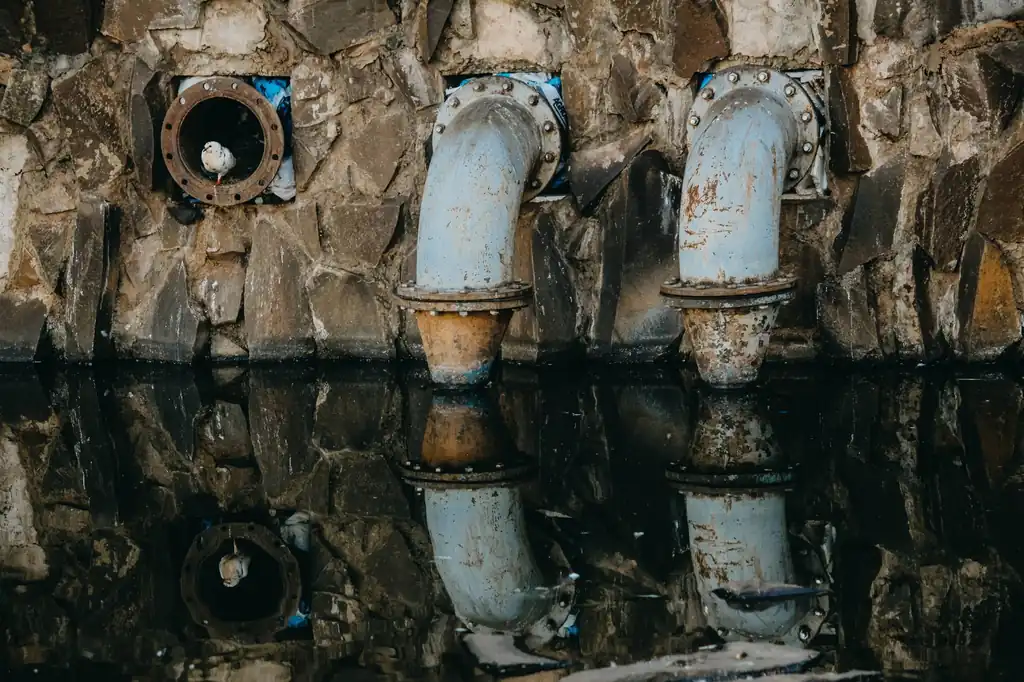
Sewer line repair in Immokalee looks different when you skip the excavation. Trenchless Sewer Pros fixes broken, root-filled, and collapsed sewer pipes from small access points, so driveways, landscaping, and grove-adjacent yards stay intact. Our trenchless sewer repair methods, including CIPP pipe lining and pipe bursting, handle the 4-inch and 6-inch lines common under Immokalee's ranch homes and manufactured housing. Every job starts with a sewer camera inspection so you see the break before we quote the fix. Call (239) 448-0271 for service across the 34142 area.
Useful updates and clear arrival timing.
Review the approach and price before deciding.
Equipped vehicles and respectful cleanup.
Neighbors serving neighbors with follow-through.
Sewer line repair in Immokalee is the trade of restoring the buried pipe that carries wastewater from a building to the municipal sewer main or septic tank. Around Immokalee, that lateral usually runs 4 to 6 inches in diameter and 40 to 120 feet from the house to the street or tank, passing through sandy soil that shifts with every rainy season. Older ranch homes near downtown and manufactured homes on the town's edges often still run on original clay or cast-iron laterals, which crack, belly, and invite root intrusion after decades underground. Trenchless Sewer Pros works this ground every week, from Main Street storefronts to farmworker housing along the SR-29 corridor. A sewer camera inspection comes first on every call, giving you video proof of the break, the belly, or the root mass before any digging decision gets made. Where the pipe qualifies, CIPP pipe lining installs a new pipe inside the old one through a single access point, usually in one to two days. Collier County soil and Immokalee's summer downpours punish weak joints, so we size every repair to the pipe's actual condition, not a guess.
Demand for sewer line repair without digging in Immokalee runs year-round, and it splits into two clear patterns. Residential calls cluster around older ranch homes and manufactured housing with original clay or cast-iron laterals, usually discovered when drains slow across the whole house at once. Commercial calls come from Main Street restaurants, packing operations, and multi-unit housing where a single backup shuts down revenue. Both get the same first step: a camera inspection that shows the exact break, belly, or root mass, followed by a trenchless fix wherever the pipe qualifies.
Trenchless sewer repair fixes Immokalee sewer lines through small access points instead of open trenches. Lining and pipe bursting handle cracked clay, separated joints, and root-damaged sections under driveways, patios, and grove-adjacent yards without tearing them up. Most residential jobs finish in one to two days, and the new pipe carries a long service life.
View service →02When an Immokalee lateral is collapsed, back-pitched beyond repair, or made of crumbling Orangeburg, full sewer line replacement is the honest answer. We pull permits, replace the failed run with SDR-35 PVC or schedule-40 pipe, and restore grade so wastewater flows correctly. Replacement typically takes two to four days depending on length and depth.
View service →03CIPP pipe lining installs an epoxy-saturated liner inside your existing Immokalee sewer pipe, then cures it into a smooth, jointless new pipe. It seals cracks, bridges small gaps, and locks out roots without excavation. The process suits 4-inch and 6-inch residential laterals and usually completes in a single day once the pipe is cleaned and measured.
View service →04Pipe bursting replaces an Immokalee sewer line by pulling a new HDPE pipe through the old one, fracturing the failed pipe outward as it goes. It is the right call when the old line is too deformed for lining or when you want to upsize capacity. Only two small pits are needed, so landscaping and concrete stay largely intact.
View service →05A sewer camera inspection sends a high-resolution camera through your Immokalee lateral and records every foot of it. You see cracks, bellies, root intrusion, and separations on screen with distance markers, so the quote matches the actual problem. Inspections take 60 to 90 minutes and end the guessing about what is wrong underground.
View service →06Hydro jetting blasts 3,000 to 4,000 PSI of water through an Immokalee sewer line to scour out roots, grease, and scale. It is the standard prep before pipe lining and the fastest fix for recurring slow drains in restaurant and multi-unit laterals on Main Street. Jetting clears the full pipe diameter instead of just punching a hole through the clog.
View service →07Immokalee homes built from the 1960s through the 1980s often hide cast-iron drain lines that corrode from the inside out, shedding scale until flow chokes off. We descalement-jet the line, camera-verify the remaining wall, then line or spot-repair the failed sections. Catching it early avoids the full under-slab excavation that cast iron eventually demands.
View service →08A sewage backup in an Immokalee home or business cannot wait for business hours. Emergency sewer repair prioritizes active backups, overflows, and lines threatening interior flooding, with crews dispatched from the Naples area up the SR-29 corridor. Call (239) 448-0271 any time a drain is pushing sewage back into the building.
View service →09When the camera shows one bad joint or a single cracked section in an otherwise sound Immokalee lateral, sewer spot repair fixes just that segment. A small excavation at the marked location replaces 3 to 10 feet of pipe, typically for $600 to $2,500 depending on depth. It is the most economical fix when the rest of the line still has years left.
View service →Executing sewer line repair without digging in Immokalee starts with reading the ground. Sandy soils and a high water table mean open trenches want to collapse, which is one more reason trenchless methods win here: lining and bursting work through small pits instead of long open cuts. Access planning matters on rural properties where laterals run 100 feet or more past outbuildings, and on Main Street where parking and foot traffic limit equipment staging. Scheduling follows the weather: summer downpours can flood excavations and delay open-trench work, while trenchless jobs proceed in most conditions. A sewer camera inspection maps the line before anyone picks up a shovel, and every repair is checked on camera again before backfill or cure. Permits go through Collier County, and work near county roads needs right-of-way coordination. Soil here is sandy with a seasonally high water table, so every job is planned assuming groundwater below 3 to 4 feet. Equipment staging favors trenchless rigs that fit in a standard driveway, and liner installation needs only a cleanout or a single small pit. For Main Street commercial work, jetting and lining are scheduled during off-hours to avoid disrupting business. After any repair, the camera runs the full lateral again and the footage stays on file with the job record.
Open excavations in Immokalee's sandy ground slump inward and fill with groundwater, making traditional dig-and-replace slow, messy, and risky for nearby structures. We default to trenchless lining or pipe bursting, which need only small access pits. When open trench is unavoidable, we shore the cut, dewater as needed, and bed new pipe in compacted material that resists settlement.
Live oaks and ficus trees common across Immokalee send fine roots into every unsealed clay joint, eventually packing the line solid and cracking the pipe bell. Hydro jetting with root-cutting heads clears the intrusion, the camera verifies the pipe's remaining condition, and then lining seals every joint at once so roots have no entry point left.
Farmhouses and rural properties often run laterals well past 100 feet with outbuildings, fences, and groves between the house and the main, complicating equipment access. Trenchless equipment pulls liner or new pipe the full run from one or two access points. We walk the route first, plan pit locations around obstacles, and keep surface disruption to two small patches.
Sewer repairs and replacements in Immokalee must meet state plumbing code for pipe materials, minimum slope of one-quarter inch per foot, and proper bedding. Permitted work gets inspected before backfill.
Any sewer work that crosses or opens a county road or right-of-way around Immokalee needs a county permit and restoration to county standards. We handle the application and schedule the inspection.
Immokalee's combination of sandy soil, a high water table, mature tree cover, and a large stock of pre-1990 homes produces a predictable set of sewer failures. A sewer camera inspection finds the same four patterns again and again across town, from downtown ranches to rural properties off SR-29. Knowing which pattern matches your symptoms helps you ask better questions and understand the quote. Each pattern below names the failure, explains the local cause, and describes how trenchless methods address it without tearing up the property.
Much of Immokalee's older housing still runs on vitrified clay pipe with mortar joints that crack over decades. Live oaks and ficus trees send feeder roots into every opening, and once inside, roots expand until they pack the line solid. We cut roots with hydro jetting heads, camera-map the damage, then line the pipe to seal every joint permanently. Lining removes all entry points at once instead of fighting roots joint by joint.
Immokalee's sandy ground compacts unevenly, especially after heavy summer rains saturate it. Sections of lateral sink and form bellies that trap wastewater and solids, causing chronic slow drains and recurring clogs. The camera measures the belly's depth and length. Shallow bellies can sometimes be lined with proper grade correction; deep ones need pipe bursting or spot replacement to restore correct slope.
Homes built from the 1960s through the 1980s often have cast-iron drain lines that rust from the inside. Tuberculation narrows the pipe until flow chokes, and the weakened wall eventually cracks or collapses. We descale the line with high-pressure jetting, verify remaining wall thickness on camera, then line the salvageable sections or replace what has failed. Early action avoids full under-slab excavation.
Restaurants and food businesses along Main Street send fats, oils, and grease into laterals that were sized for residential flow. Grease congeals on pipe walls, layer by layer, until the line chokes. Scheduled hydro jetting keeps commercial lines clear, and we camera-verify after cleaning. For lines with structural damage beneath the grease, lining follows the cleaning in the same mobilization.
Our crews navigate Immokalee by its handful of well-known landmarks. SR-29 is the north-south spine through town, and County Road 846, Immokalee Road, runs east-west past the lake toward Naples. Most residential calls fall within a few miles of the Main Street and SR-29 intersection, while rural properties spread north and east along the county roads. When you call, mention the nearest landmark or cross street and we will route the crew accordingly. Most in-town jobs fall within a 10-minute drive of the Main Street and SR-29 intersection, so response stays quick once the crew is in town.
The casino hotel on the northeast side of town is the most recognizable landmark in Immokalee. Crews use it to orient toward jobs in the northern neighborhoods and rural properties off SR-29.
This large lake sits just west of downtown Immokalee off County Road 846. It marks the western edge of the in-town service area and helps crews locate lakeside homes and streets quickly.
The pioneer museum northeast of downtown is a fixed reference point for the rural corridor. Jobs past the museum toward the county line are planned as rural calls with longer lateral runs.
Main Street carries Immokalee's densest commercial strip: restaurants, shops, and service businesses with aging laterals and grease-heavy kitchen lines that need regular jetting and occasional repair.
SR-29 runs north-south through Immokalee and is our primary route into town from the Naples area, about 35 miles southwest.
CR-846 runs east-west through town past Lake Trafford, connecting Immokalee to I-75 and the Naples metro for crew dispatch.
Immokalee is compact, but its housing stock changes block by block, and the sewer problems change with it. Downtown ranches from the 1960s and 1970s carry the oldest clay and cast-iron laterals in town. Newer subdivisions run PVC that fails differently, usually at joints stressed by soil movement. Rural edges mix site-built homes, manufactured housing, and long runs to septic systems. We service all of it, and the diagnostic approach stays the same everywhere: camera first, then the least invasive fix that solves it.
The oldest housing and commercial stock in town sits along Main Street and the surrounding downtown blocks. Clay and cast-iron laterals from the 1960s through the 1980s are common here, and restaurant grease lines add commercial strain. Camera inspections routinely find root-packed joints and corroded cast iron in this zone. Crews reach downtown via SR-29 in minutes once in town, with easy staging along Main Street side streets.
Homes near Lake Trafford sit close to the water table, which keeps surrounding soil saturated and accelerates joint separation in older pipes. High groundwater also complicates any open excavation, making trenchless lining the practical default for laterals in this area. West of downtown off County Road 846, typically a short drive from any in-town job site.
This established residential neighborhood mixes site-built ranch homes with manufactured housing on individual lots. Original laterals vary widely in material and condition, so the camera inspection does the talking here: some lines need only a spot repair, others qualify for full lining. Centrally located in town, reached quickly from SR-29 or Main Street staging points.
The northern corridor blends newer subdivisions with rural properties and farmworker housing on larger lots. Laterals run longer here, sometimes past 100 feet, and rural runs often tie into septic systems rather than municipal sewer. Trenchless methods cover these long runs from minimal access points. Directly on our SR-29 route into town, so scheduling here is straightforward.
Immokalee's subtropical seasons drive sewer problems on a predictable calendar, and October sits at the pivot point. The summer rainy season is winding down, saturated soil is still shifting pipes, and the dry winter ahead is the best window for scheduled trenchless work. Knowing the cost of trenchless sewer repair in Immokalee matters less than timing: booking lining or replacement during the dry months avoids weather delays entirely. Fall inspections catch summer damage early, winter is for scheduled projects, spring is for root prevention, and summer is when you keep the emergency number handy.
October and November close out the rainy season with saturated soil still settling around pipes. This is peak season for discovering bellies and separations the summer storms created. Emergency calls spike after heavy late-season downpours overwhelm weakened lines.
December through February brings Immokalee's dry season: firm ground, no storm flooding, and ideal conditions for any sewer work. Open-trench sections stay dry, and trenchless jobs proceed without weather interruptions.
March through May heats up and trees push aggressive root growth into any unsealed joint. Homes that limped through winter on partially blocked lines often tip into full backups as roots expand.
June through September dumps more than 50 inches of rain on Immokalee in a typical year. Saturated soil shifts pipes, infiltration overwhelms weak joints, and backups peak. This is emergency season for sewer lines.
Immokalee anchors the eastern end of our Collier County service area. Crews run a regular rotation through the towns below, so scheduling an Immokalee job alongside nearby work keeps response times short. Every city has its own service page with local detail.
About 45 miles southwest of Immokalee via CR-846 and I-75. Coastal condos and estates with a different pipe stock than Immokalee's ranch homes.
Local coverage and details
Roughly 40 miles southwest via I-75. A mix of older neighborhoods and new construction, served on the same southwest rotation as Naples.
Local coverage and details
About 35 miles southwest via Corkscrew Road and I-75. Planned communities with PVC laterals that fail at joints stressed by soil movement.
Local coverage and details
Around 35 miles west via SR-82. The largest city in the region, with a wide range of housing ages and pipe materials.
Local coverage and detailsMost Immokalee homeowners hire a sewer contractor once or twice in a lifetime, so the quote process feels unfamiliar. The difference between a strong contractor and a weak one shows up in five specific answers. Ask these before you sign anything, and judge the responses against what follows. Vague answers about methods, permits, or warranties are a warning sign, because sewer work hides underground where you cannot watch it happen. The five questions below cut through the sales pitch and reveal how the contractor actually operates.
Any quote without video is a guess. A contractor who scopes first and shows you the footage is diagnosing; one who quotes from the driveway is selling. The inspection should be part of the process, not an upsell.
Trenchless lining or bursting saves thousands in restoration when the pipe qualifies. If a contractor only offers open-trench digging, you are not seeing the full menu. Ask what the camera showed that rules trenchless in or out.
Sewer work in Immokalee needs permits and a county inspection before backfill. A contractor who pulls permits and schedules inspections protects you from code violations and resale headaches. One who suggests skipping them is cutting corners.
Lining and new pipe should carry a written warranty measured in years, covering both materials and workmanship. Vague verbal promises evaporate. Get the term length and the exclusions in writing before work starts.
The access plan matters as much as the pipe fix. Trenchless methods need only small pits, but the contractor should still walk you through where equipment stages, what gets disturbed, and how surfaces are restored afterward.
Most trenchless jobs in Immokalee run $60 to $250 per foot, with a full CIPP lining averaging around $17,000 for a typical home. Your exact price depends on pipe length, depth, diameter, and damage extent, which is why every quote starts with a camera inspection. Single spot repairs on one bad joint usually cost $600 to $2,500. Trenchless methods typically come in well below open-trench replacement, which can reach $50,000 to $75,000 once concrete removal and restoration are included.
Yes, in most cases. CIPP pipe lining and pipe bursting repair or replace the line through small access points, leaving driveways, landscaping, and patios intact. The pipe must still have enough structural integrity to qualify, which the camera inspection confirms. Fully collapsed sections may need a targeted spot repair or bursting instead of lining. Immokalee's sandy soil actually favors trenchless methods, since open trenches tend to slump and fill with groundwater.
A sewer camera inspection takes 60 to 90 minutes. Most trenchless lining or pipe bursting jobs finish in one to two days once scheduled. Spot repairs on a single section usually complete in a single day. Full open-trench replacement takes two to four days depending on length, depth, and surface restoration. Permit scheduling through Collier County can add a few days before work begins, so booking early in the dry winter season keeps timelines tightest.
The four most common causes are root intrusion through old clay joints, pipe bellies from settling sandy soil, corrosion of aging cast-iron lines, and grease buildup in commercial laterals. Immokalee's 50-plus inches of annual rain accelerate soil movement, and mature oaks and ficus trees exploit every unsealed joint. Most failures develop over years, which is why slow drains across the whole house deserve a camera inspection rather than another round of drain cleaner.
Yes. Sewer line repair and replacement in Immokalee require permits through Collier County, and the work must meet the Florida Building Code plumbing requirements before it passes inspection. Work affecting a county road or right-of-way needs an additional right-of-way permit. A reputable contractor pulls these permits and schedules the inspections as part of the job. Skipping permits risks code violations, failed inspections, and problems when you sell the home.
Not seeing your question? Our local team can help you understand urgency, scheduling and what to expect.
Ask the local team
Ready when you are. Call (239) 448-0271 weekdays between 8am and 6pm and you will reach someone who can schedule a camera inspection or talk through what your drains are doing. For emergencies, describe the backup or odor and we will tell you what to do right now. Our office sits at 1274 13th St N in Naples, and we run service calls across Collier County daily.