Focused arrival windows
Useful updates and clear arrival timing.
Sewer Spot Repair in Naples is the smart fix when your camera inspection shows one bad section in an otherwise sound line. Instead of replacing the entire lateral, the failed joint or cracked stretch gets cut out and replaced with new PVC, or sealed with a sectional liner, through one small excavation. Most spot repairs in Naples, FL finish in a single day and cost $600 to $2,500, a fraction of full replacement. Call (239) 448-0271 for a camera diagnosis that shows whether spot repair fits your line.
Useful updates and clear arrival timing.
Review the approach and price before deciding.
Equipped vehicles and respectful cleanup.
Neighbors serving neighbors with follow-through.
A spot repair is a defined-scope service, and the price reflects exactly that scope. The camera diagnosis is the foundation and is quoted separately, so the repair price covers the repair. Excavation, materials, and surface restoration are all in the flat quote. Anything the camera finds beyond the single failed section gets its own quote; the scope never creeps without your approval.
Camera footage locates the failed section to the foot, and the mark is transferred to the surface before any digging. Utility locates are called in. You approve the dig location and the flat price before excavation begins, so there are no surprises underground.
One pit over the failed section, typically 4 by 6 feet, dug with soil set aside for backfill. Landscaping is protected or temporarily moved. For point-liner repairs, this step is skipped: the liner installs through the existing cleanout with no digging.
The failed stretch is cut out and replaced with PVC or HDPE joined by shielded couplings, watertight and root-resistant. Grade and alignment are checked before the pipe is buried. The weakest link in your line becomes the newest. That is the whole economics of spot repair.
A final camera run through the repaired section verifies flow, grade, and joint integrity on video. You watch the footage with the technician. This is the proof the repair is correct, and it documents the work for future buyers. Keep the footage with your home records.
The pit is backfilled in compacted layers to prevent settling, and the surface is restored: sod replaced, pavers reset, or concrete patched to match. The work area is left clean, and the yard shows a repair, not a construction site.
Share what is happening and receive a clear next step from the local team.
Sewer Spot Repair in Naples is a targeted fix that replaces or lines a single failed section of sewer pipe when the rest of the line is sound. The camera pinpoints the failure to the foot: a cracked joint, a root-invaded coupling, a short collapsed stretch. The technician excavates one small pit over that exact spot, cuts out the failed section, and installs new PVC or HDPE pipe joined with shielded couplings. Alternatively, a sectional CIPP point liner seals the damaged stretch from inside with no digging at all. Either way, the rest of your lateral stays exactly where it is.
Full sewer replacement is a big-ticket project, and it is overkill when the camera shows a single failure point. This is the most common situation in Naples: a pre-1972 cast iron line that is sound for 90 feet with one root-cracked joint, or a PVC lateral crushed in one spot by a vehicle. Replacing 100 feet of good pipe to fix 6 bad feet makes no sense, and sectional sewer repair in Naples exists for exactly this case. If you have been quoted a full replacement, a second camera opinion often reveals that a $600 to $2,500 spot repair is all the line needs.
Every spot repair starts with the camera inspection, typically $189 to $349, which locates the failure to the foot and confirms the rest of the line is sound. Depth, distance from the house, pipe material, and the nature of the damage all get documented. This footage is what makes a spot repair possible: without it, the excavation would be guesswork. The $189 to $349 inspection is the cheapest part of any repair.
The technician transfers the camera measurements to the surface, marking the exact dig location and calling in utility locates before any shovel work. Depth determines the pit size and whether shoring is needed. You approve the marked location and the flat price before excavation begins. No shovel touches soil until you sign off.
One pit is dug over the failed section, typically 4 by 6 feet for a standard repair, with soil set aside for backfill. Landscaping in the work zone is protected or temporarily moved. For point-liner repairs, this step is skipped entirely: the liner installs through the existing cleanout. Either way, the dig stays minimal.
The failed section is cut out and replaced with new PVC joined by shielded couplings, or a sectional epoxy liner is installed from inside and cured in place. The new section is checked for grade and alignment. What was the weakest point in your line is now the newest. The new section is flow-tested before backfill.
The camera runs through the repair to verify flow, grade, and joint integrity on video. Then the pit is backfilled in compacted layers and the surface restored: sod replaced, pavers reset, or concrete patched. You get the footage and a written summary of the work. The job is not done until the camera says it is.
Camera on a 100-to-200-foot rod paired with a surface locator that marks the failure's exact position and depth for the dig. The locator tone guides the marking paint.
Compact digging equipment for the single pit, plus hand tools for careful work around utilities and landscaping. The mini excavator fits through a standard gate.
Schedule 40 PVC or high-density polyethylene for the replacement section, matched to the existing line's diameter. Matching diameter keeps flow consistent.
Rubber couplings with stainless steel shields that join new pipe to old with a watertight, root-resistant, shear-proof connection built for decades of service.
Short epoxy-saturated liner that installs through a cleanout and cures inside the pipe, sealing the failed stretch with no excavation.
Plate compactors for backfilling the pit in layers, preventing the settling that creates future bellies. Proper compaction is the difference between a repair and a future problem.
The dig point is transferred from camera footage to the surface with a locator, so the pit lands exactly over the failure. No exploratory digging, no second holes, no wasted restoration. The locator's tone pinpoints depth as well as position, so the pit is dug to the right depth the first time.
The failed stretch is cut out and new pipe is installed at proper grade with shielded couplings. The standard method for collapsed or crushed sections and for bellies that need regrading. New pipe goes in at proper grade, verified with a level before backfill covers it.
A short CIPP liner seals a cracked joint or section from inside, installed through the cleanout and cured in place. No excavation, no surface restoration, finished in hours. The epoxy cures to a structural, jointless seal that roots cannot penetrate.
The pit is backfilled in compacted lifts and the camera runs once more to confirm the repair holds grade. Proper compaction now prevents the next belly from forming later. Each lift is compacted before the next goes in, and the final grade matches the surrounding yard.
The joint is excavated through a single pit in the side yard, cut out, and replaced with PVC and shielded couplings. The camera verifies the repair and the sound pipe on both sides. The whole job finishes in one day. The homeowner pays $1,800 instead of $15,000 for lining, and the root cycle at that joint ends permanently. The $1,800 invoice beats the alternative by miles.
One pit through the driveway pavers reaches the crushed stretch. New PVC goes in at proper grade, the pavers are reset, and the camera confirms flow. The repair is invisible by evening. The pavers were lifted, stacked, and reset in their original pattern. The camera's final run confirmed full-bore flow through the new section. The driveway looks untouched, the line flows at full diameter, and the repair cost stays under $2,000. The pavers settled evenly over the following weeks.
The connection is exposed, cut back to sound pipe on each side, and rejoined with shielded couplings at correct grade. The camera runs from the new bathroom to the street, verifying the entire path. The transition from new PVC to old lateral was smooth on camera, with no lip for debris to catch. The addition drains as designed, the leak stops, and the builder signs off on the plumbing with the footage as proof.
A sectional point liner seals the joint from inside through the cleanout, with no excavation in the manicured yard. The camera documents the sealed joint, and the buyer receives the before-and-after footage. The liner cured by midday, and the final camera run showed a smooth, jointless seal. The sale closes on schedule, the yard is never disturbed, and the inspection objection disappears for less than $2,500. The yard never saw a shovel.
Sewer Spot Repair in Naples, Florida is shaped by what the camera finds in local pipe. Pre-1972 cast iron under slab usually fails at the joints first, and a single root-cracked joint is the classic Naples spot repair: excavate in the yard, replace six feet, done. Newer PVC laterals fail differently, crushed by vehicles in driveways or separated at connections after soil settling. Collier County's sandy soil digs easily, which keeps excavation costs down, but it also settles, so proper compaction during backfill is non-negotiable. Rain season, roughly June through November, is when isolated failures announce themselves: groundwater finds the one bad joint and the backup follows. Fall camera inspections catch most of them. For homeowners comparing spot sewer repair in Naples FL quotes, the questions to ask are depth, section length, and whether the price includes surface restoration. Get those three answers in writing, and the spot repair quote will be an honest one.
Pre-1972 cast iron where single root-cracked joints are the classic spot repair, usually in the side yard. Camera location keeps the dig away from prized plantings.
Waterfront homes where one bad joint gets excavated without disturbing mature landscaping or hardscaping. The pit stays small and the waterfront landscaping survives intact.
Long laterals where a crushed driveway section is the typical single-point failure. The long run to the street makes precise location critical.
Newer PVC where addition tie-ins and settling separations create isolated connection failures. The camera verifies each tie-in before backfill every time.
Collier County sand keeps excavation affordable, but it settles aggressively. Backfill compaction in lifts is what prevents the repair from becoming the next belly. Skipping compaction is the classic shortcut; it is never taken.
From June through November, groundwater finds the single failed joint and forces the backup. Most spot repairs are diagnosed in the fall, right after rain season. The camera shows exactly which joint the groundwater found.
Ficus and palm roots target joints, and prized plantings sit over laterals. Precise camera location keeps the pit small and the landscaping intact every time.
A Park Shore homeowner paid for root jetting three times in two years at the same joint. The camera showed the joint cracked open, with roots re-entering within months of every cleaning. The rest of the 95-foot cast iron line tested sound.
One pit in the side yard exposed the joint. Six feet of cracked cast iron came out, new PVC with shielded couplings went in, and the camera verified the repair. Total time on site: seven hours. The homeowner watched the final camera run.
Maintenance: Annual camera checks at the repair and yearly root jetting at the remaining cast iron joints keep the line clear. The replaced joint will never admit roots again. That section of the line is now the strongest part.
A Golden Gate homeowner's driveway developed a dip where a delivery truck had crossed the yard. The camera found 8 feet of crushed PVC under the pavers, while the remaining 110 feet of lateral held perfect grade. The dip deepened after every heavy rain.
The pavers were lifted and stacked, one pit reached the crushed stretch, and new PVC went in at proper grade. The camera confirmed full-bore flow, the pavers were reset, and the dip was gone. The repair was invisible by nightfall.
Maintenance: The reset pavers are monitored for settling over the first rainy season. Keeping heavy vehicles off the yard protects the shallow lateral from a repeat. A camera check next fall will confirm the grade held.
An Old Naples seller faced a buyer's inspection flag: one separated joint in the cast iron lateral, with the sale contingent on repair. The manicured yard made excavation the last resort, and closing was three weeks out. Every day of delay risked the sale.
A sectional point liner sealed the joint from inside through the cleanout in a single morning. The camera documented the sealed joint, and the buyer received before-and-after footage with the closing papers. The buyer signed off the same afternoon, satisfied.
Maintenance: A camera check every two years tracks the lined joint and the remaining cast iron. The liner needs no maintenance of its own beyond normal line care. The rest of the cast iron gets its own watch schedule.
Sewer Spot Repair in Naples solves the single-point failures that make full replacement quotes feel wrong. When the camera shows one bad section and sound pipe everywhere else, these are the problems a spot repair fixes permanently. Each starts with camera evidence and ends with a verified fix. No guesswork, no oversized quotes, no repeat visits for the same failure.
Roots return to the same joint every season, and each invasion widens the crack until the joint fails structurally. Left alone, the joint eventually collapses. The failed joint is cut out and replaced with PVC and shielded couplings, or sealed with a sectional liner. Roots lose their entry point permanently. The rest of the sound line stays untouched, and the annual root battle at that joint ends for good. The camera footage documents the repair for your records.
Vehicles, settling soil, or construction can crush one stretch of pipe while the rest holds grade. Flow chokes at that single point. Excavation reaches the crushed stretch through one pit, the damaged pipe comes out, and new PVC goes in at proper grade. The camera verifies the repair ties into the sound pipe cleanly on both sides. Flow is restored to full diameter immediately.
Solids settle in the sag and the line clogs from the inside, even though the pipe walls are intact. Snaking buys weeks. The bellied section is excavated and re-laid at proper grade with new pipe. Unlike lining, which follows existing grade, a spot repair actually fixes the slope. The camera confirms water flows through instead of pooling for the first time in years.
Additions and repairs tie new PVC into old lines, and a bad connection leaks or catches debris from day one. The failed connection is exposed, cut back to sound pipe on both sides, and rejoined with shielded couplings at the correct grade. The camera verifies the transition is smooth. The new work finally drains the way it was designed to.
Spot repair looks simple and punishes sloppiness. Dig in the wrong place and you have two holes. Misjudge the pipe's condition and the supposedly sound pipe crumbles during the repair. The skill is in the diagnosis: reading the camera to confirm the failure is truly isolated, locating it precisely on the surface, and choosing between excavation and a point liner based on depth, soil, and access. That judgment comes from local experience with Naples lines, where a root-cracked joint in cast iron and a crushed PVC section demand completely different approaches.
Most spot repairs in Naples run $600 to $2,500, which reflects typical 2026 pricing for the area. Depth is the biggest factor: a shallow 3-foot dig costs far less than an 8-foot excavation needing shoring. Section length matters too, since replacing 10 feet costs more than 4. Surface restoration adds to the total when the repair sits under a driveway or pavers. Point-liner repairs, which need no digging, usually land in the middle of the range. You get the flat price before any work starts.
The camera inspection gives the answer, and it is the only reliable way to know. Spot repair fits when the footage shows one failed joint or section with sound pipe on both sides. It does not fit when the camera finds multiple failures, widespread scale, or channel rot along the run. A good technician shows you the footage and explains the call. If you have been quoted a full replacement, a second camera opinion is worth every penny of its $189 to $349 cost.
Usually one small pit, but not always. Traditional spot repair excavates a single hole over the failed section, typically 4 by 6 feet, which is backfilled the same day. A sectional point liner needs no digging at all: the liner installs through the existing cleanout and cures inside the pipe. The point liner suits shallow, accessible failures; deeper or collapsed sections usually need the excavation. The camera measurements determine which method fits.
The new section lasts as long as new pipe, because it is new pipe. PVC and HDPE replacement sections carry the same multi-decade life expectancy as a full new lateral, and shielded couplings resist the root intrusion that cracked the old joint. A sectional epoxy liner performs like a short CIPP installation with a decades-long design life. The repair is only as good as the diagnosis behind it, which is why the camera verification matters.
Not seeing your question? Our local team can help you understand urgency, scheduling and what to expect.
Ask the local team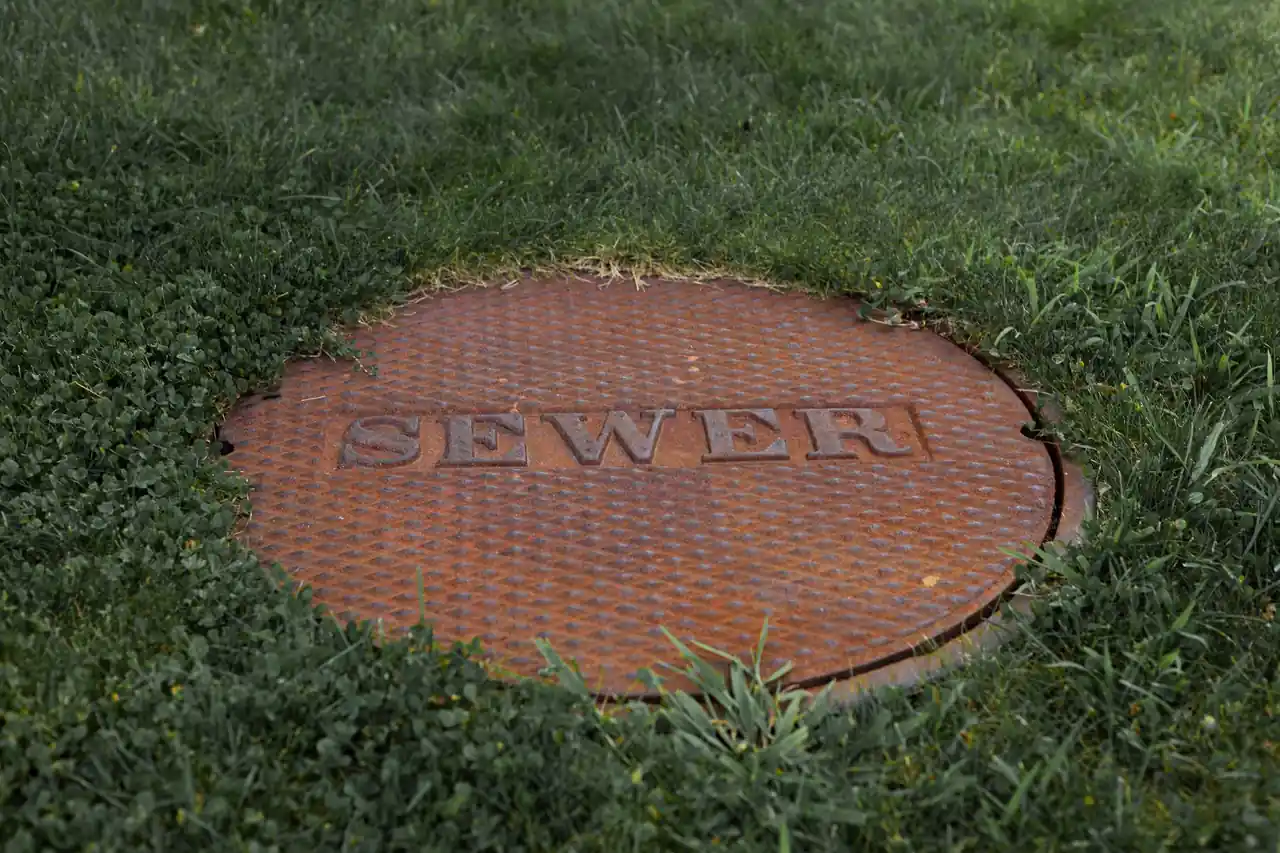
Spot repair is the smallest member of the trenchless family, and it often pairs with its bigger siblings. A point liner is itself a trenchless method, and when the camera finds one more bad section than expected, the plan can scale to full lining without starting over.
View service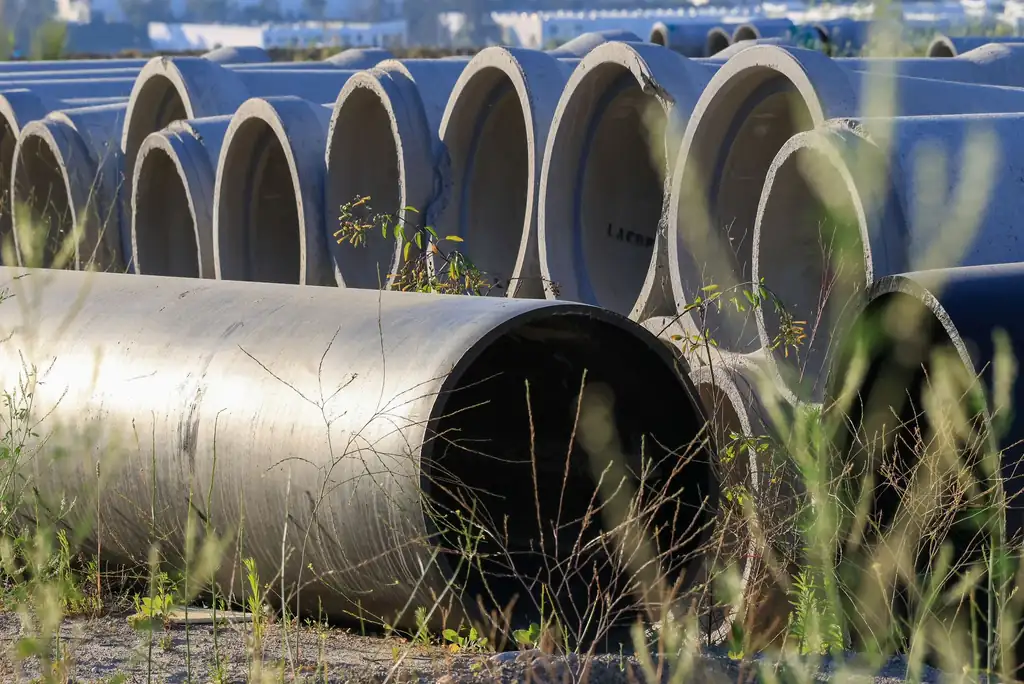
When the camera shows the damage is not isolated, replacement is the honest escalation from a spot repair quote. The spot repair diagnosis still has value: the footage maps exactly what failed and where, so the replacement plan is precise.
View service
A sectional point liner is CIPP technology applied to a single stretch: epoxy-saturated liner, cured in place, jointless result. When one section needs structural renewal but the rest of the line is sound, the point liner delivers lining's benefits at spot-repair prices.
View service
If the failed section has collapsed beyond what a spot excavation can reach cleanly, pipe bursting can replace the stretch through small pits. The spot repair camera work still applies: precise location keeps the bursting run as short as possible.
View service
Ready when you are. Call (239) 448-0271 weekdays between 8am and 6pm and you will reach someone who can schedule a camera inspection or talk through what your drains are doing. For emergencies, describe the backup or odor and we will tell you what to do right now. Our office sits at 1274 13th St N in Naples, and we run service calls across Collier County daily.