Focused arrival windows
Useful updates and clear arrival timing.
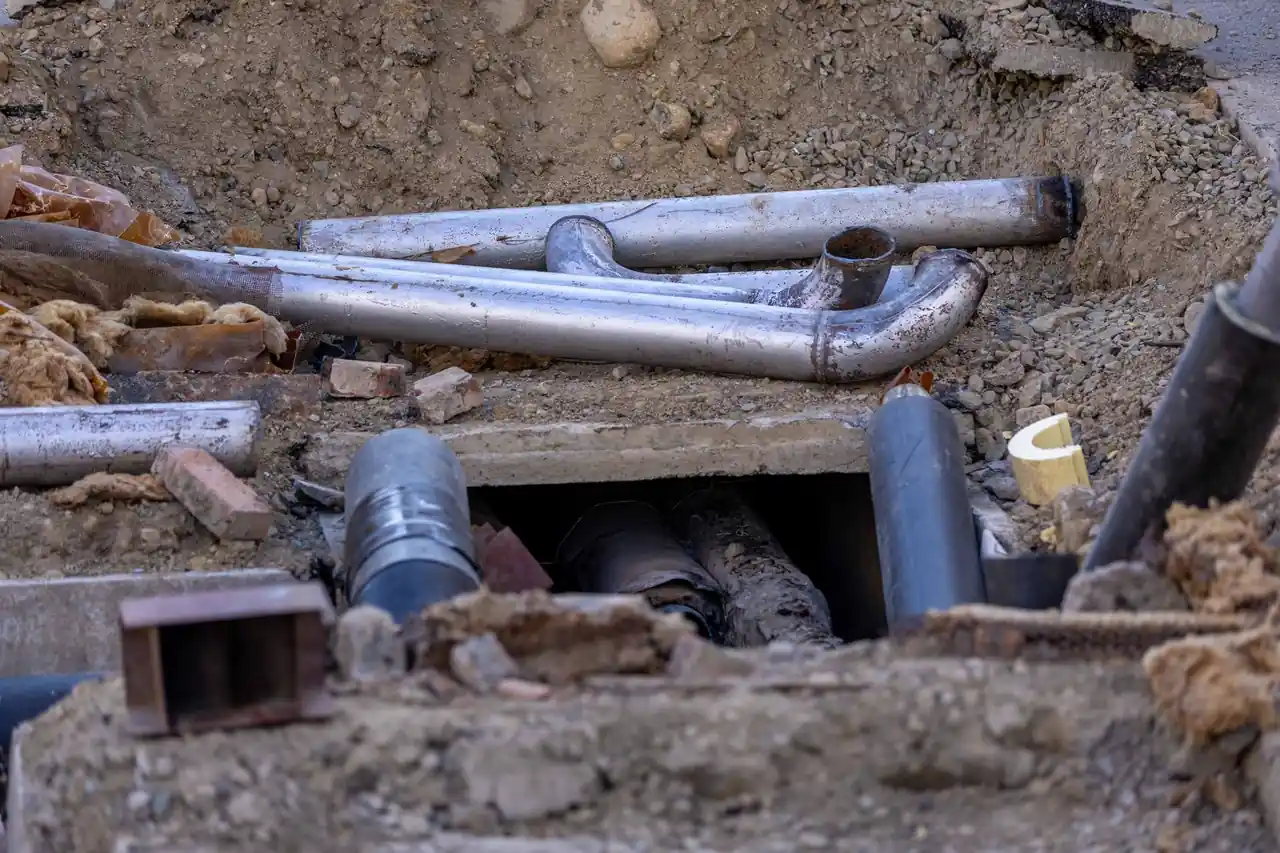
When you need sewer line repair in East Naples, digging up the driveway should be the last resort, not the plan. Trenchless Sewer Pros fixes cracked and root-choked laterals with CIPP lining and pipe bursting, usually in a single day. East Naples runs the full range, from 1960s block ranches off Davis Boulevard with cast iron under the slab to new builds along the Tamiami Trail East corridor. Both get the same camera-first diagnosis, so you see the break before you pay for the fix. Call (239) 448-0271.
Useful updates and clear arrival timing.
Review the approach and price before deciding.
Equipped vehicles and respectful cleanup.
Neighbors serving neighbors with follow-through.
Sewer line repair in East Naples is a specialized plumbing service that restores broken, cracked, or root-invaded sewer laterals, usually without excavation. East Naples is a patchwork: 1960s and 70s concrete-block ranches with cast-iron pipe buried under the slab sit a few streets away from new construction with PVC. The older homes are the ones that keep us busy. Their cast iron rusts from the bottom up, cracks with serrated edges, and catches everything the house sends down. A sewer camera inspection in East Naples almost always tells the same story on these streets: the pipe is still there, but the bottom is gone. That is exactly the failure CIPP lining was made for, and it is why trenchless work, not open trenches, is the default recommendation here. Homeowners here also deal with long side-yard runs where mature ficus roots have had decades to invade every joint, and with rain-season groundwater that punishes any repair that is not watertight. Lining answers both with one continuous, jointless tube from house to main. When the line is collapsed or back-pitched beyond saving, sewer line replacement in East Naples goes in by pipe bursting, which pulls new HDPE through the old path with only two small pits.
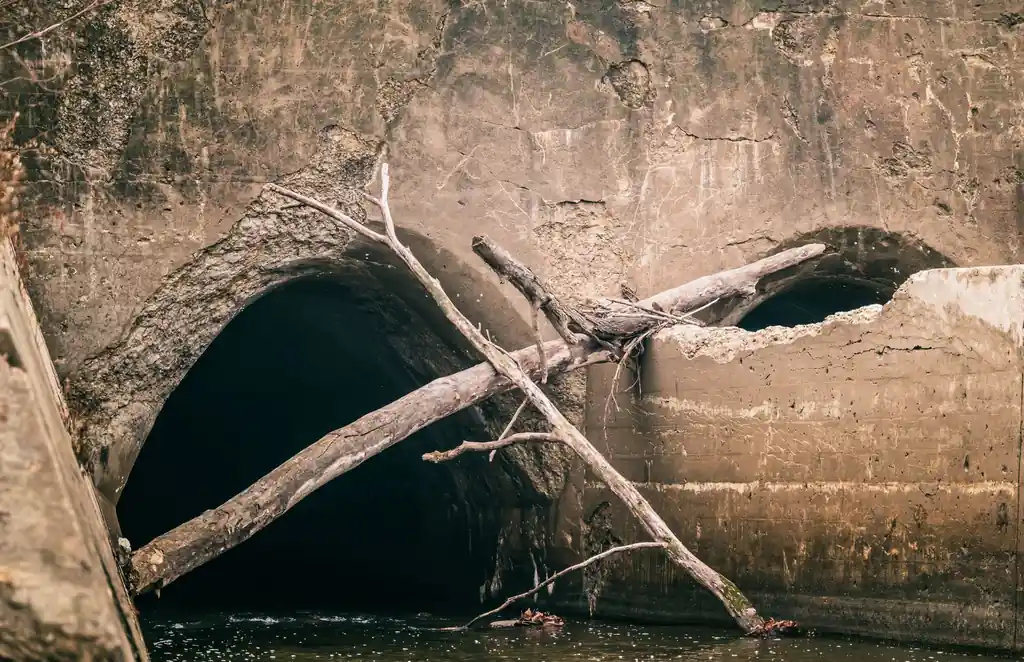
Demand for sewer line repair in East Naples splits cleanly in two. Owners of older ranch homes call about repeat backups and want to know how much does sewer line repair cost in East Naples before anyone picks up a shovel. Owners of newer homes call about a single bad joint or a belly that showed up on a pre-purchase inspection. Both get the same start: a camera inspection with footage you can watch, then a fix matched to what the pipe actually looks like, not a one-size quote.
Trenchless sewer repair in East Naples means fixing the line without an open trench across the yard. Most jobs here are CIPP liners pulled through old cast iron or pipe bursting that swaps the failed pipe for new HDPE. A typical residential lateral, 40 to 70 feet, is done in one to two days. Driveways, carports, and lanais stay intact, which is the whole point in neighborhoods where the slab and the outdoor space are the house.
View service →02When a lateral is collapsed, back-pitched, or missing its bottom entirely, sewer line replacement in East Naples is the honest answer. Pipe bursting replaces it along the same path with two small pits, so there is no trench through the landscaping. Full excavation is reserved for lines with severe bellies or utility conflicts. Either way the work is permitted through Collier County and inspected before anything is buried.
View service →03CIPP pipe lining in East Naples installs an epoxy-saturated liner inside the existing pipe and cures it into a smooth, jointless new pipe within the old one. It is the standard fix for cast iron with bottom rust and serrated cracks but intact shape. Liners are designed to a 50-year service life per ASTM F1216. Most East Naples laterals line in a single day, and the only digging is usually the cleanout access.
View service →04Pipe bursting in East Naples fractures the old pipe outward while pulling new HDPE pipe in behind it, which also lets us upsize a 3-inch line to 4-inch. It needs an entry pit and an exit pit, not a trench. This is the go-to when cast iron is too far gone to line or when Orangeburg-style fiber pipe has ovalized. Typical residential bursts run 40 to 80 feet and finish in one to two days.
View service →05A sewer camera inspection in East Naples is a push camera with a locator sonde run from the cleanout to the city main, usually 60 to 90 minutes door to door. You watch the footage with the technician and get the distance to every break, root mass, and belly. Typical 2026 pricing in the area runs $189 to $349. No repair quote here is written without one, because guessing at underground pipe is how homeowners overpay.
View service →06Hydro jetting in East Naples blasts 3,000 to 4,000 PSI water through the lateral to cut roots, grease, and cast-iron scale back to the pipe wall. It is the right call for a line that is structurally sound but choked, and the required prep before any liner goes in. It is the wrong call for collapsed or badly separated pipe, which is why the camera always goes first. Most jetting jobs take under two hours.
View service →07Cast iron sewer pipe repair in East Naples deals with one specific failure: pipe installed in the 60s and 70s that rusts from the bottom, cracks with sharp edges, and grows scale that narrows the bore. Lining seals the whole run jointless when the pipe still holds shape. Isolated damage gets a spot repair. Either way the goal is the same, stop the cycle of backups every few months without cutting the slab open.
View service →08Emergency sewer repair in East Naples covers sewage backing into tubs, showers, or floor drains, which means the line is blocked or broken and every flush makes it worse. Stop running water, avoid chemical drain cleaners that can damage old cast iron further, and call (239) 448-0271. The first move is always a camera inspection to find the blockage point, then jetting or repair the same visit when the pipe allows it.
View service →09Sewer spot repair in East Naples fixes one bad section, a separated joint, a single root intrusion point, or a short crushed run, without replacing the whole lateral. It means one small excavation instead of a trench, and typical 2026 jobs in the area run $600 to $2,500 depending on depth and access. It is the right call when the camera shows 40 good feet and one bad one, and the honest quote says so.
View service →Sewer line repair in East Naples starts at the cleanout with a camera, not a shovel. The technician maps the lateral to the city tap, marks depths and distances, and shows you the footage, so the quote matches the pipe you both just watched. From there the job follows one of three paths: hydro jetting for a sound-but-choked line, CIPP pipe lining in East Naples for damaged-but-shaped pipe, or pipe bursting and replacement for collapsed runs. Permits go through Collier County before excavation work, and an inspection signs off before backfill. The trenchless-vs-digging question in East Naples usually answers itself: with cast iron under slab and mature landscaping over the lateral, lining or bursting beats a trench on cost, time, and mess in the large majority of residential jobs. Most homes here have accessible side yards, so equipment staging is straightforward. Inside slab homes, technicians work from the exterior cleanout whenever one exists, so no equipment gets dragged through living space. Jobs run on arrival windows, not all-day waits, and the crew leaves the work area raked clean. You approve the method before any repair begins.
Most East Naples ranches have the building drain running under the slab, so a traditional dig means cutting concrete inside the home, dust, and days of disruption for one bad section of pipe. The camera enters through the existing cleanout, and CIPP lining renews the pipe from the inside. No slab cutting, no interior demolition. When the pipe is too far gone to line, pipe bursting replaces it from two small exterior pits.
Months of saturated soil let pipe joints separate and low spots settle into bellies that hold water. Backups spike every summer, and open trenches dug in wet soil can cave or pump full of groundwater. Trenchless methods need only small pits, so wet-season work stays practical. Lining leaves a jointless, watertight pipe that separated joints cannot match, and we schedule camera inspections year-round so problems are found before the rains. That keeps emergency calls from becoming excavation jobs.
Ficus, mango, and palm roots hunt the moisture at every pipe joint. In older East Naples yards the roots win repeatedly, and a simple rooter cutting just invites thicker regrowth within a year. Hydro jetting clears the mass, then CIPP lining seals every joint in one continuous tube, which removes the entry points instead of trimming the symptom. The camera verification after lining shows a root-proof interior wall to wall. Roots cannot re-enter what has no joints.
Sewer replacement, bursting, and spot repairs in East Naples require a Collier County building permit, with an inspection before the trench or pits are backfilled. Lining work is permitted as well. The permit paperwork is handled as part of the job, and no excavation is covered until the inspector signs off.
New and replacement laterals must meet Florida Building Code plumbing rules for pipe material, minimum slope, and cleanout placement so the line drains and stays serviceable. Every replacement we install is built to those standards, which is also what the county inspector checks at final.
Sewer line repair in East Naples exists because local sewers fail for local reasons: pipe age, soil, water, and roots. A sewer camera inspection in East Naples finds one of these four problems on most calls. Each has a specific fix that beats digging up the property, and the camera footage tells you which one you are dealing with before any money changes hands. Read them as a diagnostic checklist for your own symptoms. If two match, the camera will confirm which is driving the backups.
Pre-1972 East Naples homes were plumbed with cast iron that is now 50-plus years old. It corrodes from the bottom where wastewater sits, cracks with sharp serrated edges, and builds scale that chokes the bore. Slab construction means the damage hides until backups start. CIPP lining renews the pipe from the inside through the existing cleanout, with no slab cutting. The liner bridges cracks and seals the rough interior into a smooth, jointless channel. Collapsed sections get pipe bursting from small exterior pits instead.
Ficus, mango, and palm roots seek the moisture leaking from aging joints, and East Naples lots give them decades to work. Each joint in clay or separated cast iron becomes an entry point, and routine rooter cutting just stimulates thicker regrowth. Hydro jetting clears the mass at 3,000 to 4,000 PSI, then lining seals all joints in one continuous tube so roots have nothing to enter. Post-lining camera footage documents a sealed interior, which is the actual end of the root cycle.
From June through November, saturated sandy soil shifts and lets pipe sections settle or pull apart at the joints. Low spots hold standing water and solids, and separated joints leak wastewater into the ground while letting roots and soil in. Lining bridges separated joints with a watertight, jointless pipe. True bellies that hold grade get pipe bursting to re-establish proper slope. Camera inspections during dry months catch developing bellies before the next rain season turns them into backups in East Naples.
Decades of flow leave mineral scale and corrosion nodules inside cast iron, narrowing a 4-inch pipe to half its bore in the worst East Naples laterals. Flow slows, solids settle, and the restricted pipe backs up under normal household use. Hydro jetting with descaling heads strips the buildup back to the pipe wall, which the camera verifies. If the cleaned pipe shows cracks beneath the scale, CIPP lining follows in the same mobilization, leaving a smooth bore equivalent to new 4-inch pipe.
Sewer line repair in East Naples covers the full east side of the city, and crews navigate it by a few fixed points. Customers can use the same ones to describe where they are: the airport neighborhoods, the Bayshore district, and the Tamiami Trail East corridor toward the county line all fall inside the service area. When you call, naming the nearest of these gets the crew routed to you without backtracking. Response runs on the daily east-side service circuit.
The airport anchors the east side and orients every route nearby. Homes in the surrounding neighborhoods are among the oldest on this side of town, which is why so many cast-iron lateral jobs cluster within a few blocks of the field.
US-41 is the main north-south artery through East Naples and the corridor most service routes follow. Customers along the trail east section usually mean the commercial-residential mix between downtown and the eastern subdivisions.
Davis Boulevard runs east-west through the heart of East Naples residential streets. It is the fastest way to describe location on this side, and most of the ranch-home lateral work sits within a few blocks north or south of it.
The Bayshore Drive district mixes galleries, restaurants, and older residential streets. Commercial laterals here handle food-service loads, while the surrounding homes run the gamut from original cast iron to new PVC.
The US-41 east retail strip serves the surrounding subdivisions with shopping and services. The corridor's commercial buildings and nearby homes share the same sandy soil and rain-season groundwater conditions in East Naples.
General aviation airport on the east side, reached via Airport-Pulling Road. It marks the northern edge of the core East Naples residential service area.
The primary highway through East Naples, connecting the district to downtown Naples to the west and the eastern subdivisions toward Collier County's interior.
Sewer line repair in East Naples is not one housing type, so coverage here means knowing which streets have cast iron under slab and which have newer PVC. These are the corridors where the work gets called most, and each one fails a little differently. If your street is not listed, call anyway. The whole east side runs on the same daily circuit.
The Bayshore arts district area mixes older cottages and ranches with newer infill, and the sewer laterals are just as mixed. Original cast iron under slab sits next to recent PVC tie-ins, so camera inspections here often find two pipe materials spliced mid-run. Root intrusion from mature landscaping is the top complaint. Central to the daily East Naples route, reached via Bayshore Drive just off US-41 daily.
Davis Boulevard is lined with 1960s and 70s block ranches, the textbook cast-iron-under-slab housing stock. Laterals here are typically 40 to 60 feet of aging cast iron running to the street main. Repeat backups every few months are the signature call, and CIPP lining resolves most of them in a single day. A straight run east on Davis Boulevard from central Naples, with same-day scheduling most days.
Streets around Naples Municipal Airport hold some of the oldest residential stock on the east side, with small ranches on generous lots. Long laterals cross big yards where ficus and palm roots have had decades to find every joint. Pipe bursting is common here when the old line has too many bad sections to line economically. Accessed via Airport-Pulling Road and nearby side streets, on the regular east-side service circuit daily.
The US-41 east corridor blends commercial frontage with residential streets behind it, plus newer subdivisions filling in the gaps. Commercial laterals see grease and heavy use, while nearby homes deal with settlement bellies in sandy soil after rain season. Both get camera-first diagnosis before any repair recommendation. Right on the US-41 corridor, the main artery for all east-side service calls every day.
Sewer line repair in East Naples follows recognizable patterns, even though every lateral is different. These representative project snapshots show how the area's most common jobs typically play out, with the footage findings, the method chosen, and the numbers that mattered. No two are identical, but the decision logic repeats. Camera first, method matched to the pipe, price in writing.
A 1970s ranch off Davis Boulevard had sewage backing into the guest tub every three to four months, each time cleared with a rooter that never lasted. Camera inspection found 55 feet of cast iron with the bottom rusted out under the slab. A CIPP liner was installed through the existing exterior cleanout and cured the same day, creating a jointless pipe inside the old one with no concrete cutting. The liner bridged every crack in a single continuous tube, and the final camera pass showed full-bore flow. One-day job, zero slab demolition, and the line flowed clear on final camera verification. Typical project cost landed in the $9,000 to $12,000 range for the lined footage, with a 50-year design-life liner per ASTM F1216.
A home near Naples Municipal Airport lost drainage every rainy season as ficus roots crushed the transition where clay tile met cast iron at 38 feet out. Hydro jetting at 3,500 PSI cleared the root mass so the camera could see the damage clearly. A sectional spot repair then replaced the failed 8-foot transition with new PVC, tied into the sound pipe on both ends with shielded couplings. The rest of the line tested sound, so only the bad section was replaced. Half-day repair with one small excavation in the side yard. Total project fell in the typical $1,800 to $2,500 spot-repair range, roots eliminated at the entry point, and the lawn was restored the same afternoon.
A newer home off Tamiami Trail East showed a belly holding two inches of standing water on a pre-purchase camera inspection, a deal-breaker for the buyer. Pipe bursting replaced the bellied 40-foot section along the same path, upsizing to 4-inch HDPE pulled in at proper slope. The crew dug only an entry pit and an exit pit, leaving the new sod untouched, and Collier County permitted and inspected the work before backfill. Final grade measurements confirmed the belly was gone. Two-day project with final camera showing full-bore flow at correct grade. Closed in the $10,000 to $14,000 range, and the sale proceeded on schedule with the county sign-off filed before closing.
Sewer line repair in East Naples peaks in fall: October sits at the tail of rain season in Southwest Florida, when saturated soil has had months to shift joints and grow bellies. Homeowners searching how long trenchless sewer repair takes in East Naples usually ask in October, right after the year's worst backup month. Here is how all four seasons shape sewer work in Collier County, and what to do in each. Plan with the calendar, not against it. Dry-season work is calmer and cheaper to schedule.
The dry season winds down and tree roots push hardest for moisture, finding every aging joint. Spring is prime time for camera inspections, since dry soil gives the clearest locator readings and scheduling is wide open before summer demand hits.
Rain season starts in June and saturated soil begins shifting pipe joints. Backup calls climb through July as bellies fill and separated joints leak. Trenchless repairs stay practical because they need only small pits, not open trenches in wet ground.
October and November close out rain season with the year's highest backup volume. Soil is fully saturated, joints are at maximum separation, and every weak lateral shows itself. Emergency calls peak, and inspection slots fill faster than any other season.
Dry season returns, soil firms up, and seasonal residents come back to discover what the summer did to their laterals. Winter is the best window for planned replacements and lining, with firm ground, open schedules, and no rain delays. Camera crews read locators cleanly in dry soil.
Trenchless Sewer Pros runs sewer line repair in East Naples and across Collier County into Lee County from the same Naples base, so neighboring cities get the same camera-first process. The housing stock changes by city, but the diagnostic sequence never does: footage first, then the fix that fits the pipe. Call (239) 448-0271 from any of these cities for the same straight answer.
South of East Naples across the bay, a barrier-island community with resort and residential laterals aging in sandy, high-water-table soil.
Local coverage and details
North of East Naples up US-41, mixing older beach-area homes with newer inland subdivisions, both with active sewer lateral demand.
Local coverage and details
North along the US-41/I-75 corridor, a fast-growing area where new-construction tie-ins and older village laterals share the workload.
Local coverage and detailsNorth in Lee County, a larger city with pre-1970s neighborhoods whose cast-iron and clay laterals match East Naples failure patterns.
Local coverage and detailsMost East Naples homeowners hire a sewer line repair contractor once, so the questions matter more than the sales pitch. A strong contractor answers these five directly and shows proof, whether that proof is camera footage, a permit card, or a written warranty. A weak one changes the subject, rushes the quote, or asks you to decide before the camera comes out. Use these questions on every bid you collect in Collier County. The right answers sound specific; the wrong ones sound smooth.
A contractor who will not show the video is asking you to buy a repair for a pipe you have never seen. The footage, with distance markers to each defect, is the only basis for choosing between jetting, lining, bursting, or digging. Ask for a copy.
Some companies only dig, so every pipe needs a trench. Others only line, so every pipe gets a liner. The honest answer depends on the pipe's shape on camera, and a contractor offering all three methods has no reason to steer you wrong.
Sewer replacement and bursting work in East Naples requires a county permit and an inspection before backfill. If the contractor leaves permits to you, or skips them, you own every problem that surfaces at resale or after a failure. Permitted work also keeps your homeowner's insurance valid if something fails later.
Materials and workmanship are two different warranties, and both should be in writing. CIPP liners carry long manufacturer design lives, but the number that protects you is the contractor's own warranty on the installation. Get both numbers before signing anything.
Underground work invites vague quotes that grow once the trench is open. A written price tied to the camera findings, footage included, keeps the final invoice matching the quote. Anything open-ended should make you pause. Verbal estimates are not quotes, no matter how confident they sound.
Typical 2026 costs in East Naples: $189 to $349 for a camera inspection, $600 to $2,500 for a spot repair, $8,000 to $17,000-plus for full trenchless lining or bursting. Open-trench excavation replacement runs $12,000 to $75,000-plus, which is why trenchless methods dominate here. The camera inspection sets the real number, since pipe material, length, and depth move every quote in Collier County.
Most trenchless jobs finish in one day. A CIPP liner for a typical 40 to 70-foot residential lateral is installed and cured in a single visit, and most pipe bursting projects wrap in one to two days. Permitting through Collier County can add a few days before work starts, so the camera inspection and the repair are usually separate appointments.
Yes, in most cases. CIPP lining installs a new epoxy pipe inside the old cast iron through the existing cleanout, with no slab cutting and no interior demolition. It works whenever the old pipe still holds its basic shape. If the pipe is fully collapsed, pipe bursting replaces it from two small exterior pits instead. Both methods leave floors, tile, and walls untouched, which is why lining and bursting handle the large majority of under-slab failures in East Naples without anyone swinging a sledgehammer indoors.
Yes. Collier County requires a plumbing permit for sewer line replacement, pipe bursting, and spot repairs, with a county inspection before any excavation is backfilled. CIPP lining is permitted as well. Reputable contractors handle the permit paperwork as part of the job and never ask the homeowner to pull it. The permit also protects resale: unpermitted sewer work can stall a closing when the buyer's inspection flags it. Ask any contractor whether they pull the permit themselves, and get the answer in writing.
From June through November, saturated soil shifts pipe joints apart and lets low spots settle into bellies that trap solids. At the same time, tree roots grow aggressively toward the extra moisture at leaking joints. The combination turns a marginal lateral into a backed-up one, which is why backup calls peak every summer and fall in Collier County. Scheduling a camera inspection before the summer rains start is the cheapest insurance against a July backup.
Not seeing your question? Our local team can help you understand urgency, scheduling and what to expect.
Ask the local team
Ready when you are. Call (239) 448-0271 weekdays between 8am and 6pm and you will reach someone who can schedule a camera inspection or talk through what your drains are doing. For emergencies, describe the backup or odor and we will tell you what to do right now. Our office sits at 1274 13th St N in Naples, and we run service calls across Collier County daily.