Focused arrival windows
Useful updates and clear arrival timing.
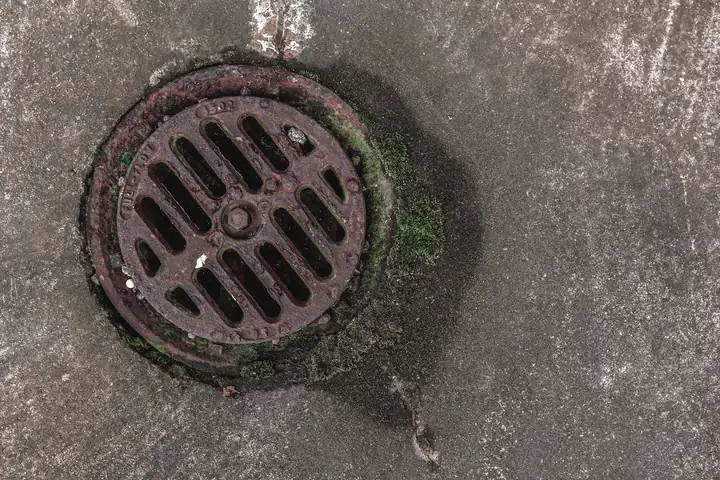
Sewer line repair in Sanibel has one non-negotiable: protect the island. Between the wildlife refuge, protected native landscaping, and strict city rules, open-trench digging is the wrong answer on most lots. Trenchless Sewer Pros works no-dig instead, diagnosing with a sewer camera inspection and repairing with CIPP pipe lining or pipe bursting through two small pits. Cottages, condos, and beach houses all get the same treatment: video proof, a fixed price, and landscaping that looks untouched when we leave. Call (239) 448-0271.
Useful updates and clear arrival timing.
Review the approach and price before deciding.
Equipped vehicles and respectful cleanup.
Neighbors serving neighbors with follow-through.
Sewer line repair in Sanibel is the trade of diagnosing and fixing the buried pipe that carries wastewater from an island property to the city sewer system, needed when storms shift the ground, salt corrodes the pipe, or roots close it off. Sanibel is a barrier island sanctuary still working through hurricane recovery, and its sewer laterals tell that story: surge-opened joints, sand-packed lines, and aging cast iron in the older cottages, all sitting in sugar sand over a high water table. What sets the island apart is the environment itself. Protected vegetation, the national wildlife refuge, and strict city oversight mean excavation is restricted or impractical on many lots. Trenchless Sewer Pros leads with sewer camera inspection, then CIPP pipe lining or pipe bursting through small access pits. No trench, no torn-up native landscaping, no heavy equipment where it does not belong.
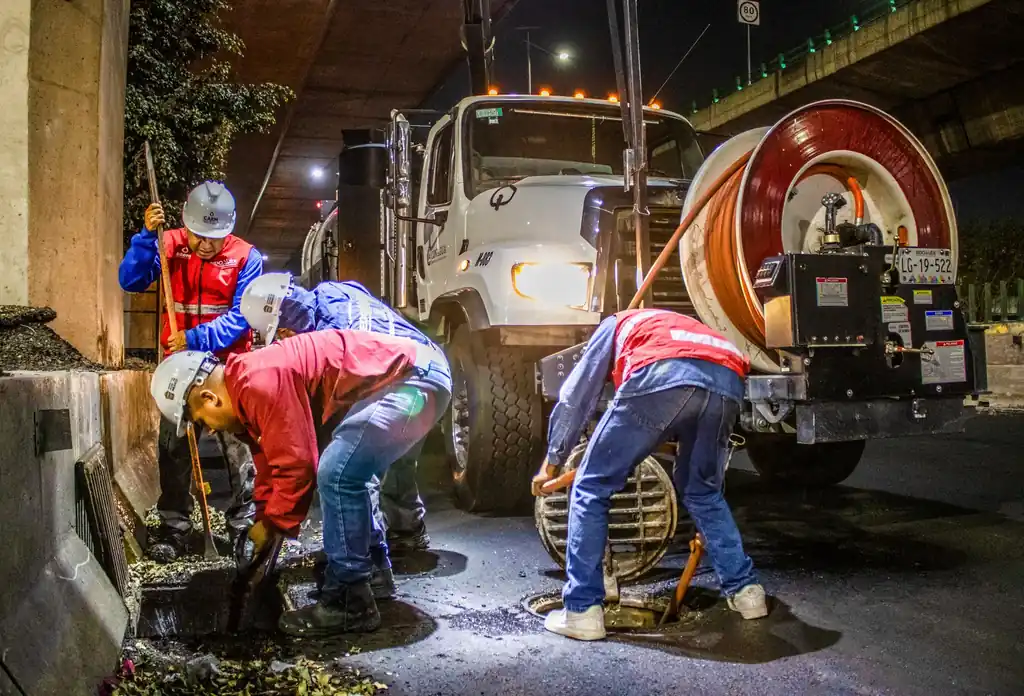
Demand for sewer line repair in Sanibel runs on two tracks: recovery and age. Storm-shifted laterals need re-support and sealing, while the island's older cottages need their corroded iron and clay addressed before the next backup. Property owners comparing trenchless sewer repair cost in Sanibel against digging should know the island math: excavation faces restrictions, restoration, and access limits that no-dig methods skip entirely. These are the services we bring to the island.
Trenchless sewer repair in Sanibel is the island-appropriate method: lining or bursting rehabilitates the lateral through two small pits, with no trench through protected landscaping and no heavy excavation near sensitive areas. It handles storm-shifted joints, corroded iron, and root-damaged clay alike. On an island where digging is restricted on many lots, no-dig is often the only practical option.
View service →02When the camera shows collapse, washout, or grade failure beyond what lining can fix, sewer line replacement in Sanibel installs new pipe to current code. We permit through the City of Sanibel, design the route to avoid protected vegetation, and bed the pipe against future storm undermining. Replacement is common on rebuild properties where old laterals no longer match new structures.
View service →03CIPP pipe lining in Sanibel cures an epoxy liner inside the existing pipe, creating a jointless new pipe with a 50-year design life and zero excavation between the pits. It seals storm-opened joints, cracks, and corrosion in the island's 3- to 6-inch laterals, and most cures finish the same day. For cottages under native canopy, lining fixes the pipe without touching a single root system.
View service →04Pipe bursting in Sanibel pulls new HDPE pipe through a failed lateral, fracturing the old pipe outward. It replaces what lining cannot save, including collapsed and fully corroded runs, and the fused HDPE joints resist both salt and roots. Two pits and no trench keep the work inside the island's environmental constraints while delivering a brand-new line.
View service →05Every sewer line repair in Sanibel starts with a sewer camera inspection, the only way to see storm damage, corrosion, and root intrusion without digging up a protected lot. The camera records offsets, bellies, sand, and scale in real time. Typical 2026 pricing is $189-$349, most inspections take 45 to 90 minutes, and you keep the footage.
View service →06Hydro jetting in Sanibel clears sand-packed blockages and root masses at 3,000 to 4,000 PSI without disturbing the surface above. We jet before every lining job so epoxy bonds to clean pipe, and as a standalone service when the camera shows blockage without structural failure. It is also the standard fix for lines that took on sand during storms.
View service →07Cast iron sewer pipe repair in Sanibel confronts salt-accelerated corrosion in the island's older cottages: channel rot, serrated cracks, and scale that chokes flow. We line salvageable iron with CIPP, encapsulating the metal away from salt for good, or burst failed runs with new HDPE. Both methods leave the cottage and its landscaping undisturbed.
View service →08A backup in a rental or a year-round home cannot wait out the week. Emergency sewer repair in Sanibel runs 24/7: we talk you through limiting water use, cross the Causeway with camera and jetting gear, and restore flow, usually the same day. The permanent trenchless fix is scheduled immediately after the emergency call.
View service →09When the camera finds one storm-shifted joint or a single corroded section in an otherwise sound lateral, sewer spot repair in Sanibel replaces just that piece through a compact pit. We install new pipe with shielded couplings, re-bed against undermining, and restore the surface to match. Typical cost runs $600-$2,500 depending on depth and access.
View service →Sewer line repair in Sanibel follows call, camera, fixed quote, repair, restore, with the island's environmental rules shaping every step. The City of Sanibel permits replacements and new installs, and work near protected vegetation or sensitive areas faces restrictions that rule out open excavation on many lots. That is why our default here is trenchless: lining and bursting need only two small pits, compact equipment crosses the Causeway easily, and nothing disturbs the native landscaping the island protects. Soils are sand over a high water table, so even where digging is allowed, dewatering makes it expensive. Homeowners often ask if no-dig repair is really enough for storm-damaged pipe in Sanibel. The camera answers that per job: shifted-but-round pipe lines beautifully, and only truly collapsed runs need bursting or replacement.
Sanibel guards its native landscaping and sensitive areas closely, and open trenches through protected vegetation face restrictions or outright prohibition on many lots. A traditional dig that would be routine on the mainland can be impossible here, regardless of what the pipe needs. Trenchless methods work from inside the pipe, so the surface stays untouched. Two small pits, usually in already-disturbed ground near the cleanout and the street, complete most jobs without approaching a single protected plant.
Recovery construction keeps re-grading lots, driving heavy equipment, and tying new structures into old mains. Each phase risks damaging laterals that survived the storms themselves, and new tie-ins must meet current code while connecting to aging infrastructure. We camera before and after adjacent construction on request, documenting the lateral's condition. New tie-ins get proper bedding, slope, and city inspection, and any construction-damaged section gets lined or spot-repaired before it becomes a backup.
Everything reaches the island over the Sanibel Causeway, which constrains equipment size and makes emergency response a logistics exercise. Large excavation spreads simply do not fit most island lots or the crossing. Our trenchless rigs are compact enough for the crossing and the lots. We batch island jobs to keep response tight, and emergency calls get priority routing across the Causeway with camera and jetting gear on board.
Replacements and new installs need city permits and inspections, and the city's vegetation and environmental protections restrict excavation near native landscaping and sensitive areas. We permit in our name, plan routes around protected ground, and default to no-dig methods.
Florida law requires Sunshine 811 locates before excavation, and the island's dense rebuild utility work makes verification critical. We call in locates and confirm marks before opening any pit.
Storms move the ground, salt eats the metal, and time finishes what both started. Those three forces account for nearly every island lateral failure we camera. A sewer camera inspection assigns each home's problem to the right cause, because a storm-shifted joint and a corroded pipe section need different trenchless answers.
Surge scours sand from around and under buried pipe, opening joints and leaving sections bridged over voids. The pipe sags, sand packs in, and flow chokes. Damage from a single storm can exceed a decade of normal wear. We jet out the sediment, camera the full run, and map every offset. Short structural liners bridge shifted sections, spot repairs re-bed them with compacted material, and the fix is designed for the next storm, not just this one.
Salt air and saltwater intrusion attack cast iron far faster than freshwater, producing channel rot and pinhole failures at joints and transitions. Island cottages on original iron are living on borrowed time once the bottom goes. CIPP lining encapsulates the remaining iron in epoxy, removing salt from the equation. Structurally failed runs get burst with HDPE, which salt cannot touch. Both are no-dig.
Island vegetation is adapted to find water in sand, and a leaking pipe joint is the most reliable water source on the lot. Roots enter hairline gaps and expand them, forming masses that catch solids. Sandy soil offers the pipe no protection. Jetting clears the mass and the camera finds every entry joint. Lining the section creates a jointless wall that roots cannot penetrate, ending the cycle without cutting a single root system.
Every open joint admits sand, and island storms deliver it in volume. The sand settles into a dense, concrete-like pack that reduces the bore and abrades the pipe with every flush. Snaking cannot remove a full sand pack. High-pressure jetting evacuates the pack completely, the camera verifies the joints, and lining seals every inlet. With the joints closed, sand stays in the ground where it belongs.
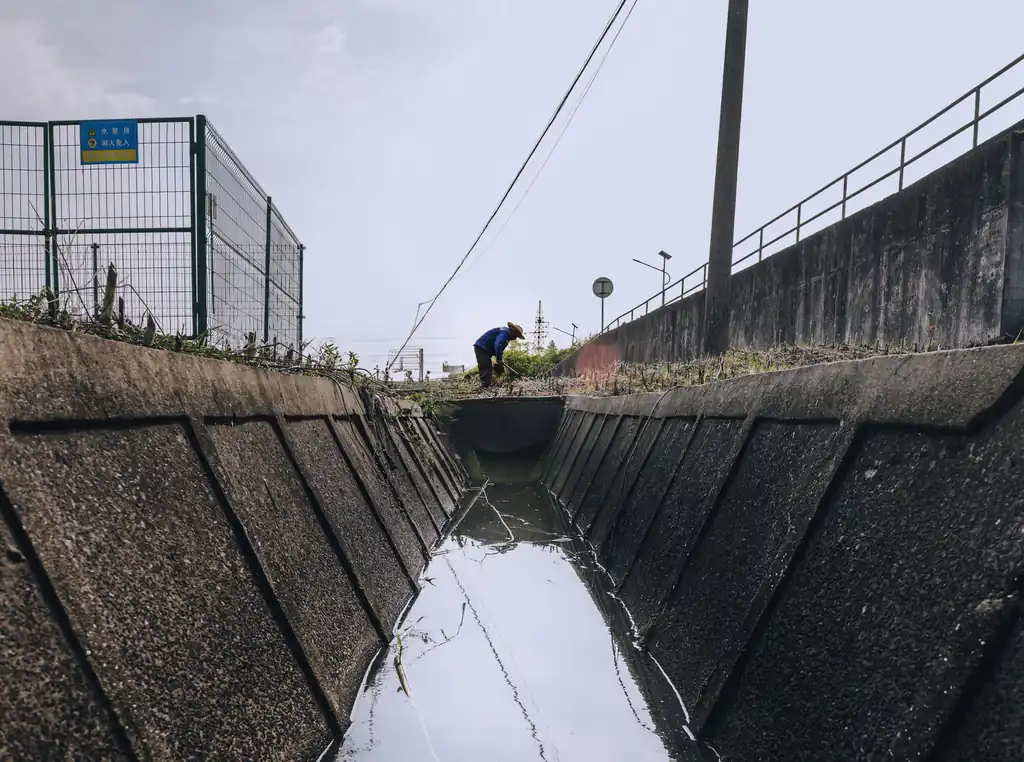
Sanibel is a linear island and our crews navigate it that way. The Causeway is the entry point, Periwinkle Way runs the island's length as the main artery, and customers place themselves as east end, mid-island, or west end. The refuge and the lighthouse are the two orientation landmarks everyone knows. Give us the nearest cross street and the truck routes itself.
The bridge system connecting the island to the mainland. Every crew, rig, and material load crosses it, so dispatch batches island jobs and plans emergency crossings around Causeway traffic.
The refuge occupying much of the island's northern bay side. It is the reason excavation faces such tight restrictions nearby, and it orients every job on the northern half of the island.
The historic lighthouse at the island's east end. It anchors directions for the eastern neighborhoods and confirms the crew's position coming off the Causeway.
The island's main commercial strip with shops and restaurants along the central artery. Commercial laterals here carry steady tourist-season loads, and we service them with jetting and camera work scheduled around business hours.
The sole bridge access for crews and equipment reaching the island from the mainland.
The island's main east-west artery, connecting every neighborhood we serve to the Causeway.
The island runs about twelve miles end to end, and the sewer work shifts with the setting. Gulf-side cottages, bay-side streets, condo communities, and the east-end neighborhoods near the Causeway each bring different pipe stock and different access. These are the stretches where our crews work most.
The classic Sanibel beach cottages, many on original cast iron or clay laterals now decades old. Storm surge added offset joints and sand infiltration to age corrosion. Trenchless lining fixes both without disturbing the cottages or the native landscaping around them. Along the gulf beach road; compact rigs suit the small lots.
The lower-elevation streets on the bay side, where the water table sits highest and surge exposure was worst. Laterals here battle groundwater infiltration year-round. Lining that seals every joint is the durable answer, and the camera documents infiltration at its worst. Bay side of the island spine; we plan deep work around tidal groundwater.
The island's condo complexes with shared laterals, HOA boards, and coordinated maintenance schedules. Repairs here need documentation the board can approve: camera footage, a written scope, and a fixed price. We provide all three and schedule around occupancy. Scattered along the beach road; board-approved scheduling available.
The neighborhoods closest to the mainland, mixing older homes with steady rebuild activity. Construction traffic and re-grading threaten buried laterals, so pre- and post-construction camera checks are common here alongside standard repair work. First island exit off the Causeway; fastest emergency response on the island.
October keeps the island in storm season, so fall is the right moment to see what the summer did to buried pipe. Winter brings dry weather and peak visitor season, spring stays calm before the storms build, and summer is the annual test. Anyone asking about the best time for sewer line repair in Sanibel should know trenchless work runs all year, but post-season camera checks catch storm damage early.
Calm, dry, and accessible: the best window for planned lining and bursting work. Firm sand, easy Causeway crossings, and no storm delays make spring the island's prime repair season.
Storm season brings surge, saturated sand, and groundwater forcing into every open joint. Backup calls follow each major system, concentrated on the lowest streets and oldest pipe.
The season runs through October and November, and the year's cumulative stress shows on camera: joints opened by summer surge, sand packed by months of rain. Fall footage documents the full season's damage.
Dry months and peak season fill the island: rentals turn over, restaurants run full tilt, and every marginal lateral faces maximum load. Commercial laterals along Periwinkle Way work their hardest.
Sanibel anchors the island end of our Lee County route. Jobs in the 33957 ZIP are batched for efficient Causeway crossings, and the same crews cover the mainland corridor plus our Naples base ZIPs 34102, 34103, and 34104. The towns below share the weekly route.
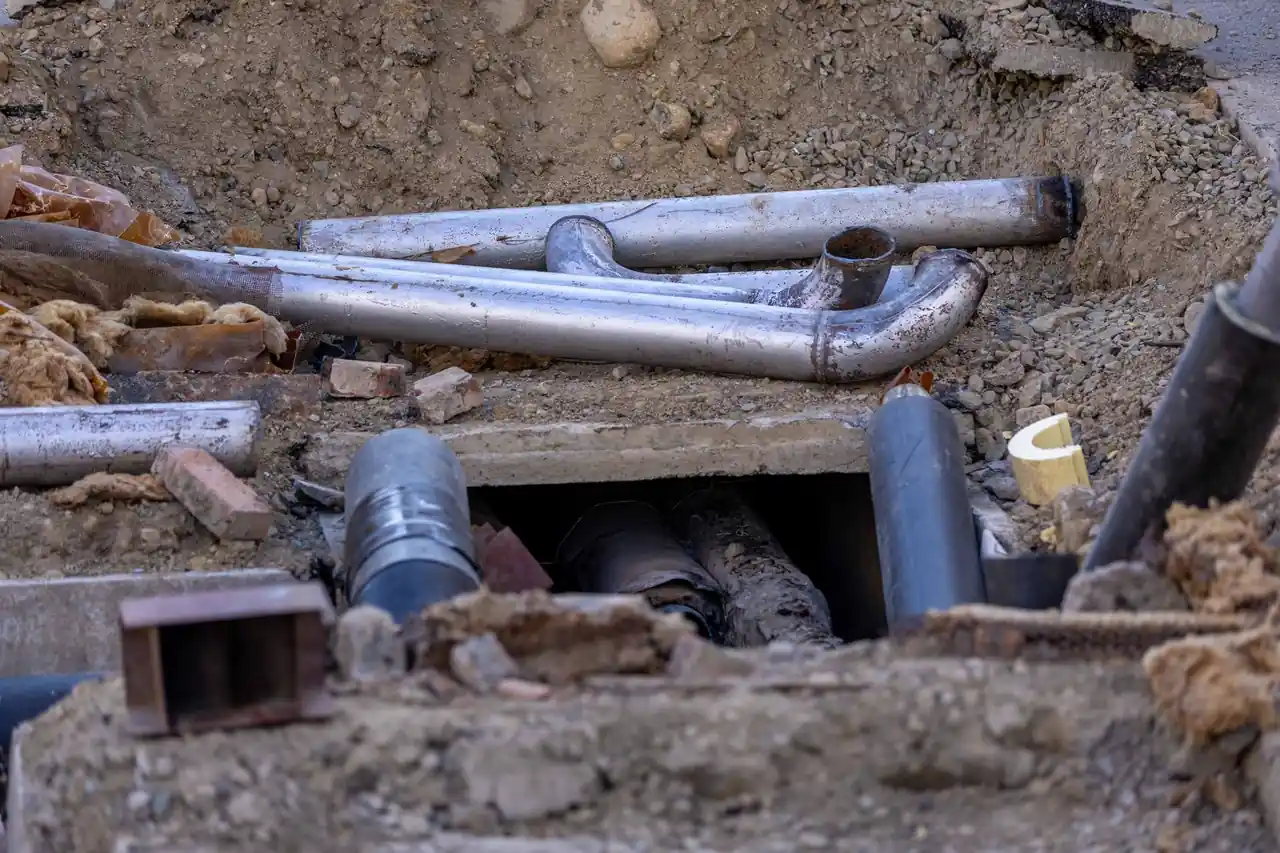
South of Sanibel down the coast. A fellow barrier island with matching storm, salt, and sand pipe issues, served on the same coastal rotation.
Local coverage and details
Southeast of Sanibel on the mainland coast. Older beach cottages and newer communities with the same island-adjacent pipe patterns.
Local coverage and details
Southeast of Sanibel on the mainland. Newer construction with settlement-related joint failures, a short run from the Causeway.
Local coverage and details
Northeast of Sanibel up the mainland corridor. The county seat anchors our route, with historic neighborhoods on original clay and iron.
Local coverage and detailsIsland sewer work adds environmental rules, Causeway logistics, and the storm-versus-age question to the usual contractor vetting. A strong Sanibel sewer contractor handles all of it plainly: video proof, a no-dig method matched to the footage, city permits, and a written warranty. Put these five questions to every bidder before approving anything.
On Sanibel this is not a preference, it is often a requirement. The answer should describe the trenchless method, the two pit locations, and how protected vegetation is avoided. Vague assurances about being careful are not a plan.
No-dig or dig, the footage is the basis of the entire job. You should see the defect, hear its position in the run, and understand why the recommended method fits. A quote without video on this island is a guess with a bridge toll.
Replacements and new installs need city permits and inspections, and environmental protections can add steps. The contractor should pull the permit in their own name and already know the city's process, not discover it mid-job.
The footage should make this readable: offset joints and sand packing versus uniform corrosion. The answer drives the method and the scope, and it matters for your own records even though we make no insurance claims either way.
Salt, storms, and sand test every warranty. Get the length, covered defects, exclusions, and transferability in writing before work begins. Verbal promises do not survive the next hurricane season.
Most trenchless island jobs run $8,000-$17,000 or more, roughly $60-$250 per linear foot. Camera inspections run $189-$349, and spot repairs usually land between $600 and $2,500. Full excavation typically runs $12,000-$75,000 or more, trending high on Sanibel because of access limits, dewatering, and restoration standards. These are typical 2026 ranges, not quotes. Trenchless usually costs less overall here because it skips excavation and its restrictions entirely.
Yes, and on many lots it is the only practical method. CIPP lining and pipe bursting both work from inside the existing pipe through two small pits, so protected vegetation, the refuge boundary, and tight lots are never disturbed. Lining handles cracked and corroded pipe; bursting replaces collapsed runs. The camera footage decides which fits, and most island jobs qualify for one of the two.
For replacements and new installations, yes. The City of Sanibel requires permits and inspections, and properties near protected areas can face additional environmental review. Trenchless lining of an existing lateral is typically simpler to approve. Your contractor should pull any required permit in their own name, plan the route around protected ground, and give you the permit number before starting.
Most trenchless jobs finish one to two days after the camera inspection. Day one is camera and jetting, day two is the lining or bursting, with most liners curing the same day they are installed. Spot repairs often finish in a single visit. Island jobs are batched for efficient Causeway crossings, but active backups still get same-day emergency response.
No. Trenchless repair is the lowest-impact method available: two small pits, compact equipment, no trench, and no disturbance beyond the immediate work area. We plan pit locations in already-disturbed ground near the cleanout and the street, and the city's vegetation protections are part of every island job plan. The pipe gets fixed and the lot looks untouched.
Not seeing your question? Our local team can help you understand urgency, scheduling and what to expect.
Ask the local team
Ready when you are. Call (239) 448-0271 weekdays between 8am and 6pm and you will reach someone who can schedule a camera inspection or talk through what your drains are doing. For emergencies, describe the backup or odor and we will tell you what to do right now. Our office sits at 1274 13th St N in Naples, and we run service calls across Collier County daily.