Focused arrival windows
Useful updates and clear arrival timing.
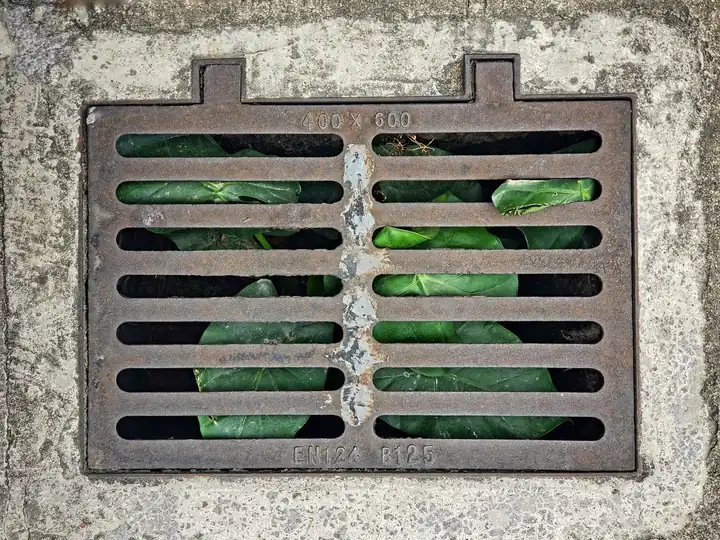
Sewer line repair in San Carlos Park covers two very different kinds of pipe: aging cast iron and clay in the area's older homes, and newer PVC in the infill builds going up between them. Trenchless Sewer Pros starts every job with a sewer camera inspection to see which one you have and where it failed. Then we line it, burst it, or spot-repair it through small access pits, with no trench across the yard. You watch the footage, approve a fixed price, and get your drains back, usually within two days. Call (239) 448-0271.
Useful updates and clear arrival timing.
Review the approach and price before deciding.
Equipped vehicles and respectful cleanup.
Neighbors serving neighbors with follow-through.
Sewer line repair in San Carlos Park is the trade of diagnosing and fixing the buried pipe that carries wastewater from a home to the county sewer main, needed when that pipe corrodes, cracks, sags, or fills with roots. San Carlos Park is unincorporated Lee County, a patchwork of 1970s and 80s ranch homes, manufactured-home communities, and newer infill builds, so the laterals here range from original cast iron and clay tile to modern PVC. That mix means the failure pattern changes street by street: rusted iron bottoms in the older stock, root-crushed clay joints along the tree-lined blocks, and settlement offsets in the newer sections. Trenchless Sewer Pros leads with sewer camera inspection on every call, then matches the fix to the footage with CIPP pipe lining, pipe bursting, or a targeted spot repair. The goal is always the same: solve it through small access pits and leave the property intact.
Demand for sewer line repair in San Carlos Park splits along the area's build eras. The older streets generate cast-iron and clay-tile failures: corrosion, root intrusion, collapsed joints. The newer infill generates settlement offsets and construction debris. Homeowners searching for how much sewer line repair costs in San Carlos Park usually need the camera first, because the price depends entirely on which pipe era their home sits in. These are the services we bring to the area, matched to that mixed stock.
Trenchless sewer repair in San Carlos Park is the practical answer for an area where digging up a street or a mature yard is the last thing anyone wants. We rehabilitate cast iron, clay, or PVC laterals through small access pits using lining or bursting. It is especially valuable on the older blocks, where the pipe is bad but the landscaping took 30 years to grow.
View service →02When the camera shows a lateral that is collapsed along most of its run or back-pitched beyond what lining can correct, sewer line replacement in San Carlos Park installs new pipe to current code. We permit through Lee County, hold proper slope, and bed the pipe in compacted material. Full replacement is common on the oldest streets where cast iron has simply reached the end of its life.
View service →03CIPP pipe lining in San Carlos Park cures an epoxy liner inside the old pipe, creating a smooth, jointless pipe with a 50-year design life. It is the go-to fix for corroded cast iron and root-damaged clay: the liner bridges cracks, seals every joint, and needs no trench. Most residential liners cure the same day, and the line handles 3- to 6-inch diameters common here.
View service →04Pipe bursting in San Carlos Park pulls new HDPE pipe through the failed lateral, fracturing the old cast iron or clay outward. It replaces pipe that lining cannot save, including fully collapsed sections, and can upsize by one diameter where capacity is short. Two pits and no trench make it workable on tight lots and in manufactured-home communities with limited access.
View service →05Every sewer line repair in San Carlos Park starts with a sewer camera inspection, because the area's mixed pipe stock means guessing is expensive. A self-leveling camera head travels the lateral from the cleanout, showing corrosion, offsets, bellies, and root masses on a live screen. Typical 2026 pricing is $189-$349, most inspections take 45 to 90 minutes, and you keep a copy of the footage.
View service →06Hydro jetting in San Carlos Park blasts 3,000 to 4,000 PSI through the lateral, cutting root masses and scouring grease and scale from old cast iron. We jet before every lining job so epoxy bonds to clean pipe, and as a standalone service when the camera shows blockage without structural failure. On older lines it often restores flow the same visit.
View service →07Cast iron sewer pipe repair in San Carlos Park is core work: the area's 1970s and 80s homes run original iron laterals that rust from the bottom, crack with serrated edges, and catch debris until they block. We usually line the iron with CIPP, sealing the scaled interior behind smooth epoxy, or burst it when the bottom has rotted through. Either way, no trench through the yard.
View service →08When sewage backs into the tub or the cleanout cap pops off in the yard, emergency sewer repair in San Carlos Park runs 24/7. We talk you through stopping water use to limit the backup, then roll with camera and jetting gear to get flow restored. Most emergencies get same-day relief, and the permanent trenchless fix is scheduled immediately after.
View service →09If the camera finds one crushed clay joint or a single corroded iron section in an otherwise serviceable lateral, sewer spot repair in San Carlos Park replaces just that piece. We dig a compact pit over the defect, install new pipe with shielded couplings, and compact the backfill in lifts. Typical cost runs $600-$2,500 depending on depth and what sits above the pipe.
View service →Sewer line repair in San Carlos Park follows a fixed routine: call, camera, fixed quote, repair, restore. The area's unincorporated status means permits run through Lee County rather than a city hall, and our office handles that paperwork before equipment rolls. Access varies widely: ranch homes on standard lots are straightforward, while manufactured-home communities need compact equipment and careful routing around skirting and tie-downs. The flat terrain and high water table shape every job; we favor trenchless methods whenever groundwater would flood an open excavation, and we jet and camera in the same visit so the diagnosis never waits. Homeowners often ask whether trenchless repair works on old cast iron in San Carlos Park. It does: lining was designed for exactly this pipe, and bursting replaces what lining cannot save.
Original 1970s and 80s cast iron is now decades into its service life, rusting from the bottom where wastewater sits. The pipe develops serrated cracks that catch paper and debris, causing backups that return weeks after every snaking. The camera shows flaking scale and channel rot. We line salvageable iron with CIPP, sealing the rough interior behind a smooth epoxy wall with a 50-year design life. When the bottom has rotted through entirely, pipe bursting pulls new HDPE through the failed run, all without trenching the lot.
Decades-old landscaping sends roots into every clay tile joint, and the roots expand until they crack the bell or offset the joint. Root masses catch solids and cause the area's most common repeat blockage. Chemical treatments only prune what the camera can see. Hydro jetting cuts the mass out completely, then the camera maps every entry joint. CIPP lining seals the joints permanently so roots meet a jointless wall, which ends the twice-a-year snaking cycle.
The terrain is nearly flat and the water table sits high, so any low spot in the lateral holds standing wastewater instead of draining. Solids settle in the belly, the line blocks, and rain-season groundwater infiltrates through open joints, overwhelming the run. The camera's locator pinpoints each belly's depth and position. Short liners bridge minor sags, while severe bellies get spot-repaired with proper re-bedding and slope, compacted in lifts so the fix holds grade.
Lateral replacements and new installs must meet code on materials, slope, and cleanouts. Because San Carlos Park is unincorporated, permits and inspections run through Lee County. We pull the permit in our name and schedule the inspection before backfill.
Florida law requires Sunshine 811 locates before any digging, and work extending past the property line toward the county main needs right-of-way approval. Trenchless lining typically avoids the right-of-way entirely, which keeps small jobs simple.
The area's problems come from pipe age first and climate second. Forty-year-old cast iron and clay tile sit in flat, wet ground under fast-growing tropical landscaping, which is about as hostile an environment as buried pipe gets. A sewer camera inspection sorts every home into one of the patterns below, and the trenchless fix follows the pattern, not a script.
Wastewater sits in the bottom of the pipe, so iron laterals corrode from the bottom up. The metal thins, cracks with serrated edges, and the rough surface catches paper and debris until flow chokes. Most 1970s and 80s laterals are deep into this process now. We jet the scale out, camera the remaining wall, and line what is still round with CIPP. Iron that has rotted through gets burst and replaced with HDPE. Both methods skip the trench.
Clay laterals are only as strong as their joints, and decades of root pressure offset or crack the bells. Once a joint opens, the root mass inside grows fast in the nutrient-rich flow, catching solids until the line blocks completely. Hydro jetting clears the mass, the camera maps every damaged joint, and CIPP lining seals the run into one jointless pipe. Roots cannot re-enter what has no joints.
The ground here barely slopes, so any low spot in the lateral becomes a permanent trap for standing wastewater. Solids settle out, the trap deepens, and rain-season groundwater adds inflow the line cannot pass. Snaking a belly never lasts. The locator marks each belly's exact depth and length. Minor sags get bridged with a structural liner; severe ones get spot-repaired with proper bedding and slope, compacted so the grade holds.
Older laterals are often 3- or 4-inch pipe with decades of grease and scale narrowing the bore. Kitchens and laundry add load the reduced diameter cannot pass, so blockages recur even without any structural break. High-pressure jetting scours the bore back to full diameter, and the camera verifies it. Where the camera shows the pipe is sound, scheduled jetting keeps it clear; where it shows damage, we line it.
San Carlos Park has no downtown; our crews navigate by corridors. Alico Road is the east-west spine most customers reference, US 41 brackets the west side, and I-75 brackets the east. The manufactured-home communities and older ranch blocks sit between those lines, and the newer infill pushes toward Estero in the north. Give us the nearest cross street to one of these corridors and the truck routes itself.
The main east-west arterial through San Carlos Park. Customers usually locate themselves as north or south of Alico Road, which lets dispatch place the job on the right side of the corridor before the truck leaves.
The highway forming the western edge of the area. It orients every job west of the interstate and marks the commercial strip where the area's restaurant and retail laterals cluster.
The retail and restaurant frontage along Tamiami Trail on the area's west side. Commercial laterals here carry grease loads that residential lines never see, and jetting keeps them flowing.
The interstate along the area's east side, connecting San Carlos Park to Naples, Fort Myers, and the rest of our Southwest Florida route.
The I-75 interchange at Alico Road, the primary entry point our crews use to reach jobs across San Carlos Park.
San Carlos Park is not one subdivision but a patchwork of build eras, and each era brings its own pipe problems. The ranch-home blocks from the 70s and 80s, the manufactured-home communities, and the newer infill streets all sit within a few miles of each other along the Alico Road corridor. These are the pockets where our trucks work most.
The established 1970s and 80s ranch streets that form the area's core. Original cast-iron and clay laterals dominate here, and most calls involve corrosion, root-crushed joints, or bellies in the flat grade. Trenchless lining is the usual fix, saving mature landscaping that took decades to grow. Central San Carlos Park; reached directly off Alico Road.
The area's mobile and manufactured-home parks, where laterals run shallow and access is tight between units. Repairs here need compact equipment and careful routing around skirting, tie-downs, and utility pedestals. Pipe bursting and spot repairs both work well in these constrained layouts. Scattered through the area; our compact rigs are set up for tight access.
The newer builds filling lots along the northern edge toward Estero, with modern PVC laterals in fresh trenches. Problems here are construction-era: settling joints, debris in the line, and bedding that was never compacted. Camera inspection diagnoses these in under an hour. North side of the area, minutes off I-75.
The blocks between the older core and the interstate, mixing renovated older homes with new construction. Renovations often reveal iron-to-PVC transitions buried without proper couplings, which become the failure point. We camera every transition before quoting. East side staging makes same-day scheduling straightforward.
October lands at the tail of the rain season, so fall is when the year's water damage shows up on camera. Winter dries the ground and fills the area with seasonal residents, spring stays dry until the storms build, and summer saturates everything. Anyone wondering about the best season for sewer line repair in San Carlos Park should know trenchless work runs year-round, but dry-season scheduling is the most flexible.
Dry ground, firm access, and irrigation waking roots up. It is the easiest season for equipment staging and the best window for planned lining jobs before the rains complicate open pits.
Daily storms saturate the flat ground and push the water table into the pipe zone. Open joints take on groundwater, bellies fill, and backup calls spike across the older blocks.
Rains taper but the soil stays saturated into October, and late tropical systems can redeliver weeks of rain at once. Lines stressed all summer reveal cracked joints and new bellies on fall camera footage.
The dry season firms the ground and seasonal residents return, spiking water use in homes that sat quiet for months. Idle guest baths and kitchens get sudden heavy use, and marginal laterals fail under it.
San Carlos Park sits in the middle of our Lee County route, between the coast and the interstate. Most calls in the 33967 ZIP are scheduled within a day or two, and the same crews cover the surrounding towns plus our Naples base ZIPs 34102, 34103, and 34104. The towns below share the same weekly route.
South of San Carlos Park across the Collier County line. Island condos and older coastal homes bring the cast-iron and root work our crews handle on the southern route.
Local coverage and details
South of San Carlos Park along US 41 toward the county line. A mix of older beach cottages and newer communities with the same pipe-era split we see locally.
Local coverage and details
Directly north of San Carlos Park. Rapid growth and newer construction mean settlement-related joint failures similar to our local infill streets.
Local coverage and details
North of San Carlos Park up I-75. The county seat anchors the northern end of our route, with historic neighborhoods on original clay and iron.
Local coverage and detailsBuried pipe is easy to oversell because you cannot see it, which is why the contractor's answers matter more than the brochure. A strong San Carlos Park sewer contractor proves the problem on video, ties the quote to that video, permits the work properly through Lee County, and warranties it in writing. Run through these five questions with every bidder.
The footage is the entire basis of the job: it shows the material, the defect, and its length. A contractor who quotes from a description instead of video is guessing at your expense. Watch the screen yourself.
Lining needs a pipe that is still round; bursting replaces pipe that is not. The answer should point at specific footage, collapsed sections versus cracked-but-round ones, not at whichever method the company prefers to sell.
Replacements and new installs in unincorporated Lee County need permits and inspections. The contractor should pull the permit in their own name and schedule the inspection; if they want you to pull it, they are handing you their liability.
Get the length, the covered defects, what voids it, and whether it transfers to a buyer, all in writing. Material warranties and workmanship warranties are separate things, and vague lifetime language usually means neither.
Depth surprises, unmarked utilities, and extra footage can move a price. A fixed quote with a written change-order list protects both sides; an estimate with no boundaries protects only the contractor.
Most trenchless jobs here run $8,000-$17,000 or more, about $60-$250 per linear foot. Camera inspections run $189-$349, and single spot repairs usually land between $600 and $2,500. Full excavation replacement typically runs $12,000-$75,000 or more once digging and restoration are included. These are typical 2026 ranges, not quotes: older cast iron needing heavy prep costs more than clean PVC, and depth and access move every number. The fixed quote comes after the camera.
Yes, when the pipe is still mostly round. CIPP lining was designed for exactly this: an epoxy liner cures inside the corroded iron, sealing scale and cracks behind a smooth wall with a 50-year design life. If the bottom has rotted through or the line has collapsed, pipe bursting pulls new HDPE through instead. The camera footage decides which method fits, and you see that footage before choosing.
For replacements and new installations, yes. San Carlos Park is unincorporated, so permits and inspections run through Lee County rather than a city. Trenchless lining of an existing lateral is typically simpler to approve, but the contractor should confirm with the county first. The company should pull any required permit in its own name and give you the permit number before work starts.
Most trenchless repairs finish one to two days after the camera inspection. Day one is usually camera and hydro jetting; day two is the lining or bursting, with most liners curing the same day. Spot repairs often finish in a single visit. Open-trench replacement takes three to five days because excavation, pipe laying, county inspection, and surface restoration each need separate time.
No. Trenchless repair needs only two small pits, so root systems stay intact and no trench cuts through them. Jetting removes the roots inside the pipe without touching the tree, and lining then seals the joints so roots cannot re-enter. If a specific root mass keeps returning at one joint, we can line just that section and leave the tree completely alone.
Not seeing your question? Our local team can help you understand urgency, scheduling and what to expect.
Ask the local teamReady when you are. Call (239) 448-0271 weekdays between 8am and 6pm and you will reach someone who can schedule a camera inspection or talk through what your drains are doing. For emergencies, describe the backup or odor and we will tell you what to do right now. Our office sits at 1274 13th St N in Naples, and we run service calls across Collier County daily.