Focused arrival windows
Useful updates and clear arrival timing.
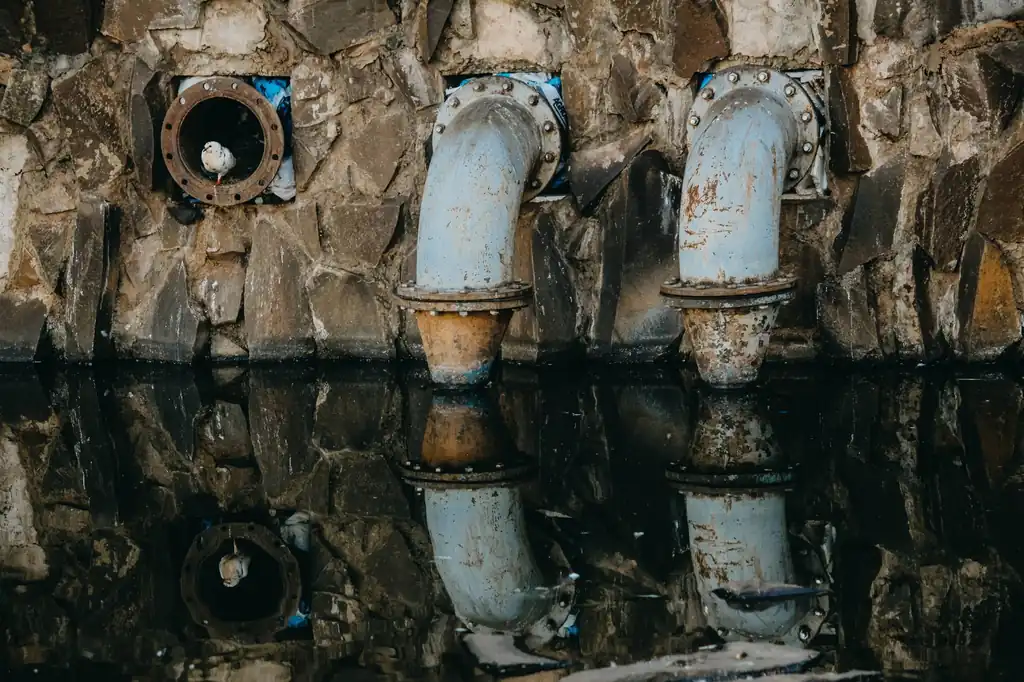
Sewer line repair in Naples Park usually means dealing with cast iron buried under a concrete slab in a 1960s or 70s home. Trenchless Sewer Pros starts with a sewer camera inspection to map the line and find the failure, then repairs it with CIPP pipe lining or pipe bursting, both done without breaking the slab or trenching the small lot. You watch the footage, approve a fixed price, and the drains work again, usually within two days. Call (239) 448-0271.
Useful updates and clear arrival timing.
Review the approach and price before deciding.
Equipped vehicles and respectful cleanup.
Neighbors serving neighbors with follow-through.
Sewer line repair in Naples Park is the trade of diagnosing and fixing the buried pipe that carries wastewater from a home to the county sewer main, needed when that pipe corrodes, cracks, or fills with roots. Naples Park is one of the area's classic older beach neighborhoods, built out largely in the 1960s and 70s with slab-on-grade homes on original cast-iron laterals. That combination is the local failure pattern in a sentence: iron pipe under concrete, now 50-plus years old, rusting from the bottom where wastewater sits. Trenchless Sewer Pros leads with sewer camera inspection, then CIPP pipe lining or pipe bursting matched to the footage. The whole point of the no-dig approach here is the slab: lining renews the pipe from the inside, so nobody has to cut concrete to fix what runs beneath it.
Demand for sewer line repair in Naples Park centers on one asset: aging cast iron under concrete slabs. The neighborhood's 60s and 70s laterals are failing on schedule, and the fix has to respect the slab, the small lots, and the mature landscaping. Homeowners comparing under-slab sewer repair cost in Naples Park should know the key variable: lining avoids concrete demolition entirely, which changes the total completely. These are the services we bring to the neighborhood.
Trenchless sewer repair in Naples Park renews the lateral through small access pits with no slab demolition and no trench across the lot. Lining or bursting handles the neighborhood's corroded cast iron from the inside, which is the only sane approach when the pipe runs beneath concrete. The slab, the tile, and the landscaping all stay exactly as they were.
View service →02When the camera shows a lateral that lining cannot save, collapsed, back-pitched, or disintegrated, sewer line replacement in Naples Park installs new pipe to current code. We permit through Collier County and route the replacement to minimize concrete work, holding proper slope and bedding. Full replacement is the last resort here, used only when the iron is structurally finished.
View service →03CIPP pipe lining in Naples Park is the signature fix: an epoxy liner cures inside the old cast iron, creating a smooth, jointless new pipe with a 50-year design life without touching the slab above it. It seals channel rot, cracks, and root entry points in the neighborhood's 3- to 4-inch laterals, and most cures finish the same day the liner goes in.
View service →04Pipe bursting in Naples Park pulls new HDPE pipe through a failed lateral, fracturing the old iron outward without opening the slab. It replaces runs that have collapsed or rotted through beyond lining, and the fused joints stand up to roots and groundwater. Two small pits do the work that once required a concrete saw.
View service →05Every sewer line repair in Naples Park starts with a sewer camera inspection: the only way to see iron pipe you cannot expose without demolition. The camera records scale, channel rot, cracks, and root masses under the slab in real time. Typical 2026 pricing is $189-$349, most inspections take 45 to 90 minutes, and seasonal owners receive the footage remotely.
View service →06Hydro jetting in Naples Park scours decades of scale from old cast iron at 3,000 to 4,000 PSI, cutting root masses and restoring bore diameter before lining. We jet before every lining job so epoxy bonds to clean metal, and as a standalone service when the camera shows blockage without structural failure. It is the essential prep step for under-slab work.
View service →07Cast iron sewer pipe repair in Naples Park is our core local work: 1960s and 70s iron laterals under slab, rusting from the bottom, cracking with serrated edges, and catching debris until they block. We line salvageable runs with CIPP or burst failed ones with HDPE, both without breaking concrete. This neighborhood is the textbook case for trenchless cast-iron repair.
View service →08Sewage backing into a shower in a slab home is an emergency, and discovering it from out of state is worse. Emergency sewer repair in Naples Park runs 24/7: we talk you through limiting water use, arrive with camera and jetting gear, and restore flow, usually the same day. Seasonal owners get photo and video documentation of everything found.
View service →09When the camera isolates one failed joint or a single rotted section in an otherwise serviceable lateral, sewer spot repair in Naples Park replaces just that piece. We open a compact pit at the marked location, often outside the slab footprint, install new pipe with shielded couplings, and compact the backfill. Typical cost runs $600-$2,500 depending on depth and position.
View service →Sewer line repair in Naples Park runs call, camera, fixed quote, repair, restore, with the slab as the central planning constraint. Access points are the cleanout and the street connection, and the camera maps the under-slab run so the repair plan never requires guessing under concrete. Permits for replacements run through Collier County since the neighborhood is unincorporated, and Sunshine 811 locates go in before any pit is opened. The lots are small and the streets are tight, so compact trenchless rigs fit where excavation spreads never could. Homeowners often ask whether the slab really stays intact during sewer line repair in Naples Park. With lining or bursting, yes: both methods work from inside the existing pipe, and the concrete above is never cut.
The neighborhood's original iron laterals run under slab-on-grade foundations, and at 50-plus years the iron is channel-rotted and cracked. Traditional replacement means cutting the slab, demolishing flooring, and weeks of dust and displacement, which most owners will not accept until the line fully fails. CIPP lining renews the pipe from the inside with zero concrete work: the epoxy liner cures against the old iron and becomes the new pipe. Collapsed sections get burst from small pits outside the slab footprint. The floor never gets touched.
Naples Park lots are compact, with houses close to the street and mature landscaping filling the margins. There is no room to stage excavation equipment, stockpile spoil, or trench across the yard without destroying the property's usable space. Trenchless rigs are compact by design: a liner installation or bursting setup fits in a driveway with two small pits. Most jobs complete without using the street at all, and restoration is limited to the pit areas.
Many Naples Park homes are seasonal or rental properties, so sewer failures get discovered by guests, managers, or nobody until the odor or backup is advanced. Absentee owners need diagnosis and quoting they can trust without being on site. We document everything: camera footage, marked-up findings, photos of access points, and a fixed written quote delivered remotely. The owner approves from anywhere, and the work is completed and documented before they return.
Lateral replacements and new installs must meet code on materials, slope, and cleanouts, and unincorporated Naples Park permits through Collier County with inspection before backfill. We pull the permit in our name and schedule the inspection.
Florida law requires Sunshine 811 locates before excavation, and the neighborhood's tight lots pack utilities close together. We call in locates and verify marks before opening any pit.
Age is the cause here, expressed through iron and concrete. Fifty-year-old cast iron under slab-on-grade foundations fails in a narrow set of ways, and every Naples Park lateral eventually picks one. A sewer camera inspection names the pattern for each home, and the trenchless fix follows it without touching the slab.
Wastewater flows along the bottom of the pipe, so iron corrodes from the bottom up into a thin channel. The channel cracks with serrated edges that catch paper and debris, and flow chokes. Most original Naples Park laterals are deep into this process. We jet the scale out, camera the remaining wall thickness, and line what is still round with CIPP, creating a new pipe inside the old one. Iron rotted through gets burst from pits outside the slab.
Beyond the slab edge, the lateral runs through landscaped yard to the street, and mature roots exploit every joint. Once inside, roots expand the joint and form masses that catch solids. The under-slab section stays root-free; the yard section does not. Jetting clears the masses and the camera maps each entry joint. Lining the yard section seals every joint into one jointless run, ending root problems without disturbing the landscaping.
Decades of corrosion build scale on the iron's interior, steadily shrinking the bore diameter. A 4-inch line can lose a quarter of its capacity to scale alone, so normal household flow starts blocking on roughness that was not there twenty years ago. High-pressure jetting scours the bore back toward original diameter, and the camera verifies the result. Where the pipe wall remains sound, lining locks in the restored diameter with a smooth epoxy surface.
From June through November the water table rises into the pipe zone, and every open joint admits groundwater. The extra flow overwhelms the reduced bore of scaled iron, turning slow drains into backups exactly when storms hit. Lining seals every joint along the run, which stops infiltration and restores capacity at once. We camera in or after the wet season so the footage shows the joints at their most open.
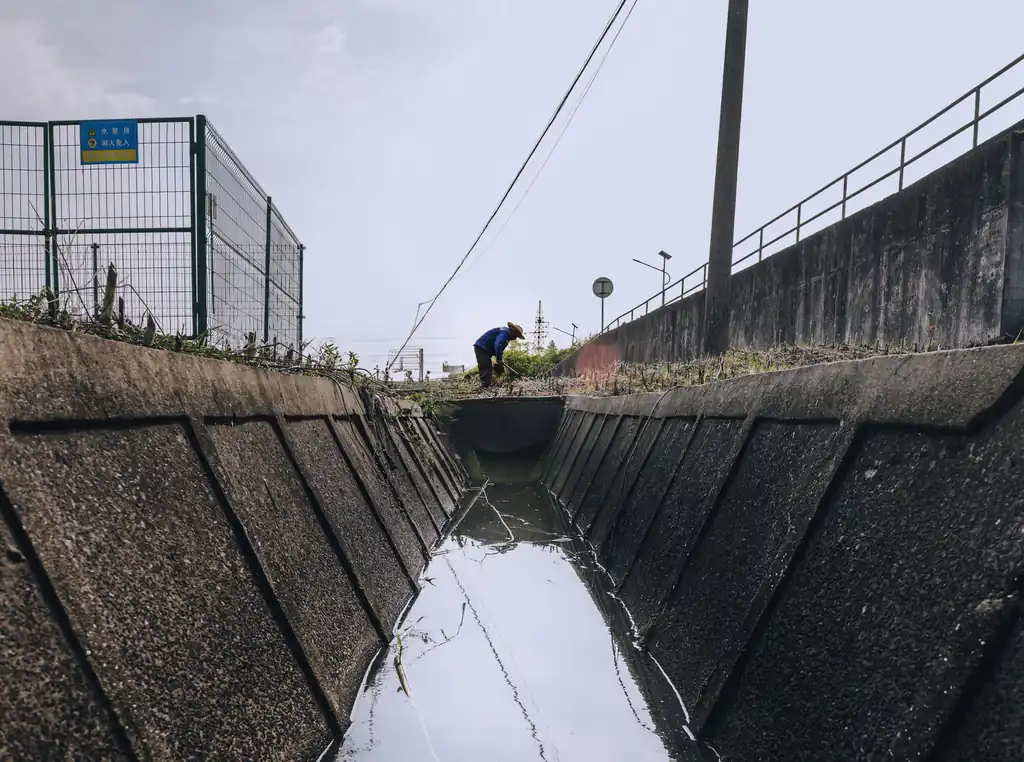
Naples Park's numbered avenue grid makes navigation simple: avenues run east-west from the 90s to the 110s, and every address keys off them. US 41 brackets the neighborhood on the east, and the beach side lies a short drive west. Our crews route by avenue number, which places most jobs within a block before the truck arrives.
The highway forming the eastern edge of Naples Park. It is the main approach for our crews from Naples and the reference line for every job on the eastern half of the grid.
The neighborhood's distinctive avenue system, running from the 90s to the 110s. Customers give their avenue number and the crew knows the block before dispatch finishes the call.
The retail and restaurant strip along Tamiami Trail east of the neighborhood. Commercial laterals here carry grease loads, and we service them with jetting and camera work on schedules built around business hours.
The highway on the neighborhood's east side, connecting Naples Park south to Naples and north to the wider Collier County service area.
The interstate access north of the neighborhood, linking our Naples Park route to the full Southwest Florida service area.
Naples Park is a compact grid, and the sewer work is consistent across it: original iron under slab, now at end of life. The numbered avenues organize the neighborhood, and our crews work the full grid from the beach side to US 41. These are the pockets we serve most.
The central east-west avenue through the neighborhood's grid. Homes along this corridor are classic Naples Park stock: 1960s and 70s slab homes on original cast iron. Camera work here shows the textbook pattern, scaled and flaking iron with root entry at the joints. Central Naples Park; minutes from our Naples base.
The western blocks closest to the beach, where the water table sits highest and salt air accelerates exterior corrosion. Laterals here fight groundwater infiltration on top of age, and lining that seals every joint handles both problems at once. West side of the grid; easy access from the beach road.
The blocks backing toward Tamiami Trail, mixing original homes with updated and expanded properties. Remodels sometimes reveal iron-to-PVC transitions buried without proper couplings, which become the failure point we camera first. East side of the neighborhood off US 41.
The blocks with the highest seasonal-rental turnover, where failures get discovered by guests and reported by managers. These jobs run on documentation: footage, photos, and fixed remote quotes that owners can approve from out of state. Scattered through the grid; remote documentation standard.
October lands at the tail of the rain season, so fall is the right time to check what months of groundwater did to aging iron. Winter brings the dry season and the snowbird influx, spring stays calm until the storms build, and summer soaks everything. Homeowners asking about the best time for sewer line repair in Naples Park should know trenchless under-slab work runs year-round, but winter scheduling fills fast with seasonal demand.
Dry weather and open schedules. It is the calmest window for planned lining jobs, with firm ground for pits and no storm pressure on marginal iron.
Daily rain pushes groundwater into every open joint, and scaled iron with reduced bore backs up under the added flow. Backup calls peak on the oldest streets.
The rains taper but the ground stays saturated into October, and the season's infiltration damage shows on camera: opened joints, new root entry, scale loosened by months of flow. Fall footage tells the year's story.
Dry months and full houses: seasonal residents return, rentals turn over, and every fixture in the home gets maximum use. Marginal laterals that survived summer often fail under sustained holiday loads.
Naples Park sits inside our Naples home territory in Collier County. Jobs in the 34108 ZIP are typically scheduled same-day or next-day, and the same crews cover the surrounding region including Naples ZIPs 34102, 34103, and 34104. The towns below share the regular route.
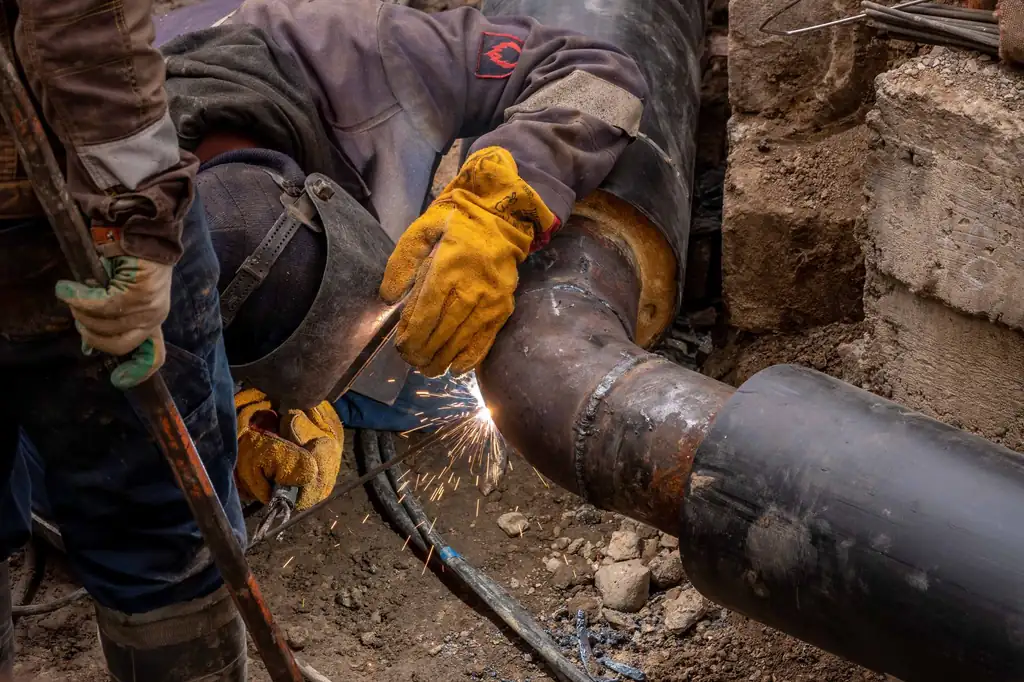
South of Naples Park down the coast. Island condos and older homes with the cast-iron and root-intrusion work our crews handle weekly.
Local coverage and details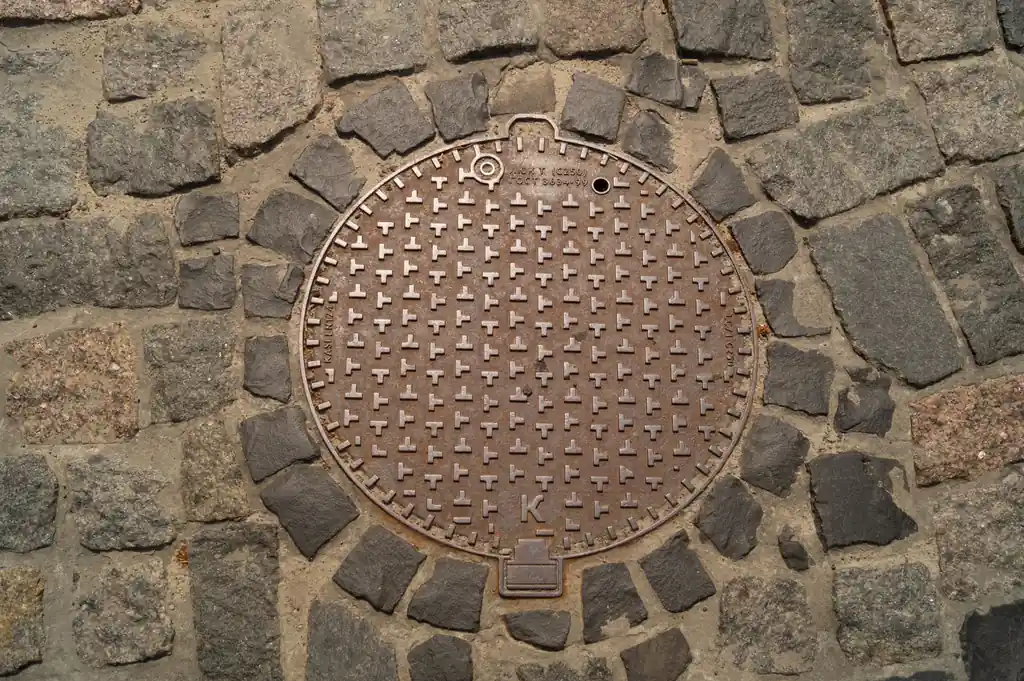
North of Naples Park up the coast toward the county line. Beach cottages and newer communities with the mixed pipe stock we camera daily.
Local coverage and details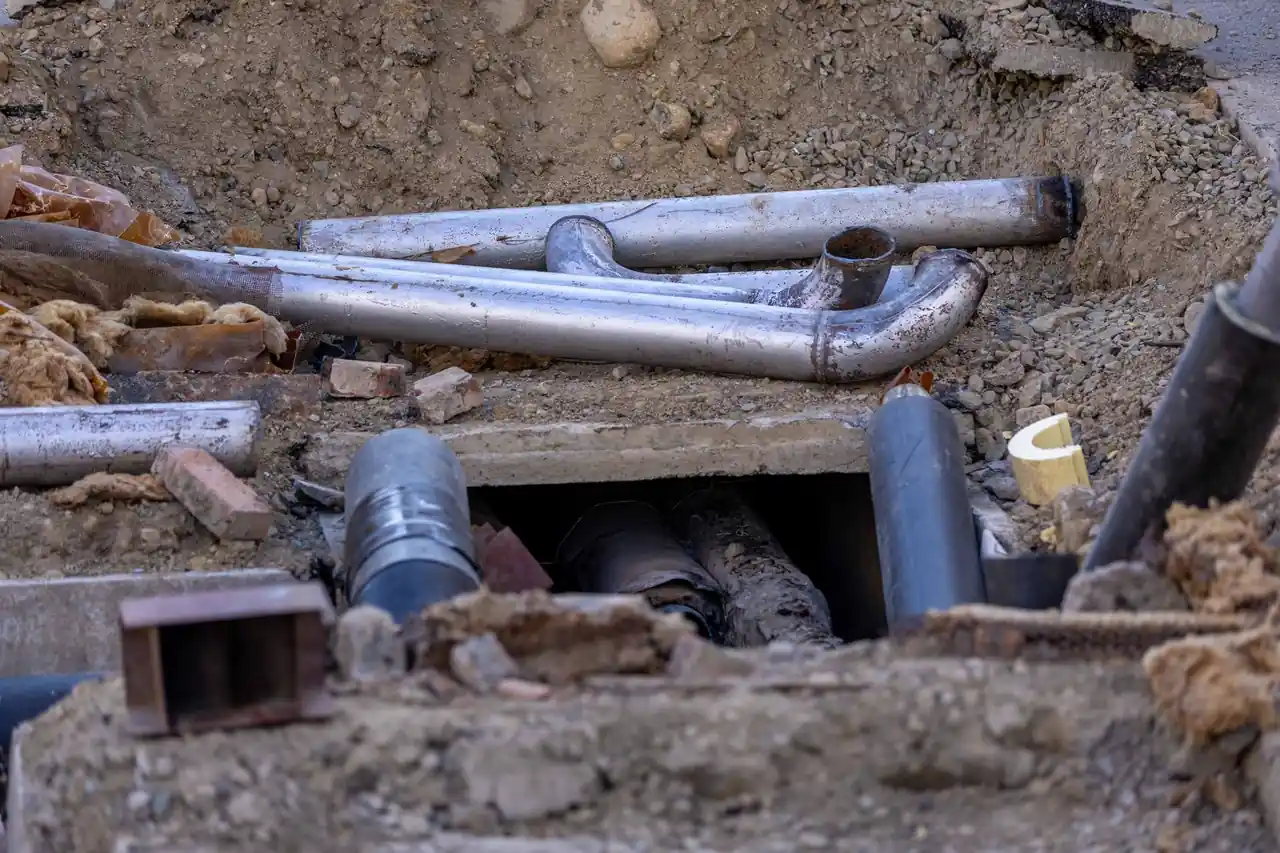
North of Naples Park between Naples and Fort Myers. Newer construction with settlement-related joint failures in fresh trenches.
Local coverage and detailsNorth of Naples Park up the I-75 corridor. The Lee County seat anchors the northern end of our service area.
Local coverage and detailsUnder-slab work is where vague contractors do the most damage, because the slab makes everything harder to verify. A strong Naples Park sewer contractor proves the problem on camera, explains exactly how the slab stays intact, permits the work through Collier County, and warranties it in writing. These five questions expose anyone who cannot do that.
For most Naples Park laterals the answer should be no: lining and bursting both work from inside the pipe. If a contractor's first proposal involves a concrete saw, get a second opinion from a trenchless specialist before approving demolition.
Under-slab pipe cannot be inspected any other way, so the footage is the entire job basis. You should see the scale, the cracks, and the root entries yourself, and understand exactly which sections the quote covers.
Lining needs pipe that is still round enough to hold the liner; bursting replaces pipe that is not. The answer must reference your footage, wall condition and collapse points, not a one-method-fits-all sales pitch.
Replacements and new installs in unincorporated Naples Park need county permits and inspections. The contractor should pull the permit in their own name and schedule the inspection; being asked to pull it yourself is a red flag.
Many Naples Park owners are seasonal, so the contractor needs a real remote process: footage and photos delivered digitally, a fixed written quote, approval by phone or email, and completed-work documentation. Vague answers here mean delays later.
Most trenchless jobs here run $8,000-$17,000 or more, roughly $60-$250 per linear foot, with no concrete work in the price because none is needed. Camera inspections run $189-$349, and spot repairs usually land between $600 and $2,500. Full replacement with slab cutting typically runs $12,000-$75,000 or more, trending high because demolition and flooring restoration add thousands. These are typical 2026 ranges, not quotes; the camera footage sets the fixed price.
No, in most cases. CIPP lining renews the pipe from the inside with zero concrete work, and pipe bursting replaces it from small pits outside the slab footprint. Slab cutting is only necessary when the line has failed in a way neither method can address, which the camera footage will show clearly. If a contractor proposes breaking concrete before cameraing the line, get a second opinion.
Most trenchless repairs finish one to two days after the camera inspection. Day one is camera and hydro jetting to prep the iron; day two is the lining or bursting, with most liners curing the same day. Spot repairs often finish in a single visit. Because there is no demolition, there is no concrete curing or flooring restoration stretching the timeline.
Yes. We camera the line, send you the footage with marked-up findings and photos, and deliver a fixed written quote you can approve by phone or email. The work is completed on schedule, and you receive documentation of the finished repair. Many Naples Park jobs run this way through the seasonal cycle, and the process is built for absentee owners.
For replacements and new installations, yes. Naples Park is unincorporated, so permits and inspections run through Collier County. Trenchless lining of an existing lateral is typically simpler to approve, but the contractor should confirm with the county first. The company should pull any required permit in its own name and provide the permit number before work begins.
Not seeing your question? Our local team can help you understand urgency, scheduling and what to expect.
Ask the local team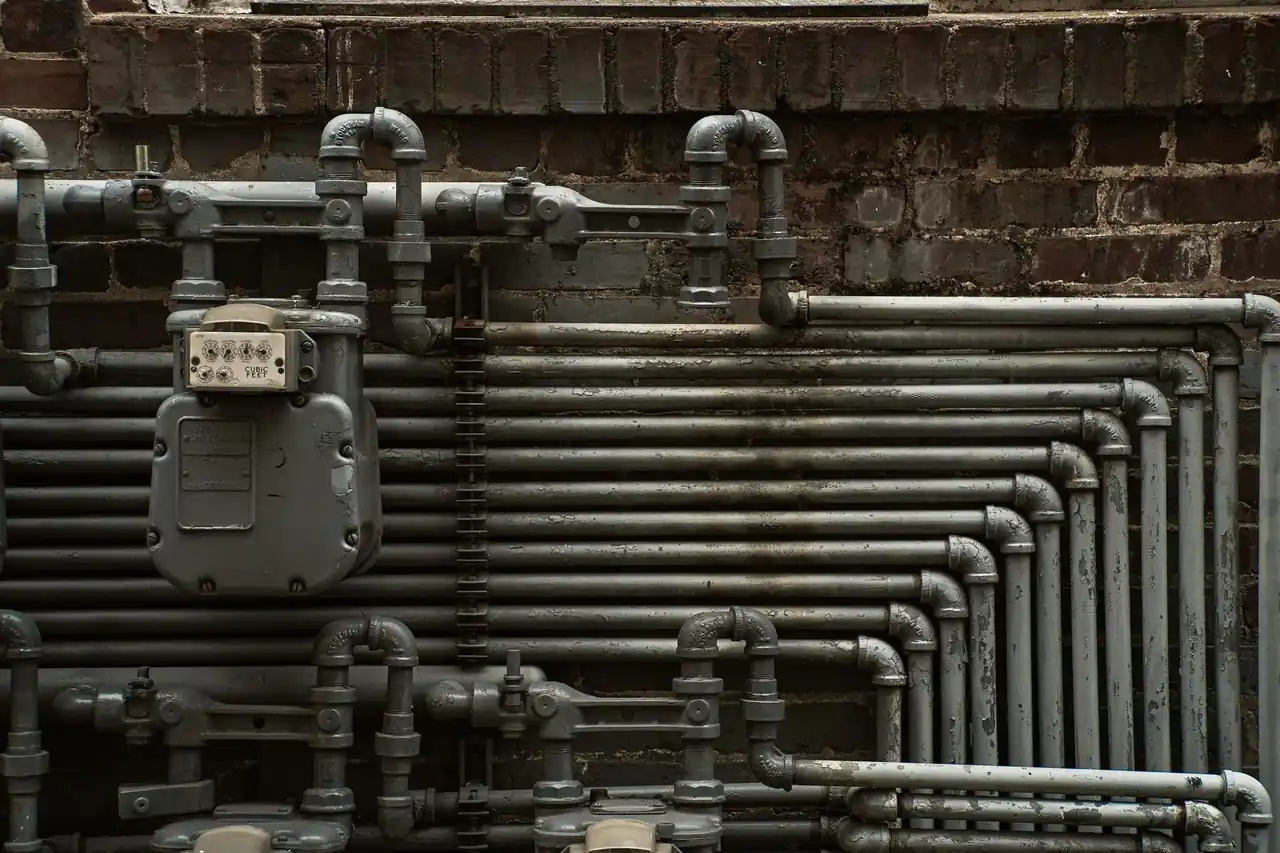
Ready when you are. Call (239) 448-0271 weekdays between 8am and 6pm and you will reach someone who can schedule a camera inspection or talk through what your drains are doing. For emergencies, describe the backup or odor and we will tell you what to do right now. Our office sits at 1274 13th St N in Naples, and we run service calls across Collier County daily.