Tree Roots in Sewer Lines: Prevention and Repair in Naples
Tree roots in your Naples sewer line? How roots get in, warning signs, jetting vs lining vs bursting, and prevention with planting distances and barriers.
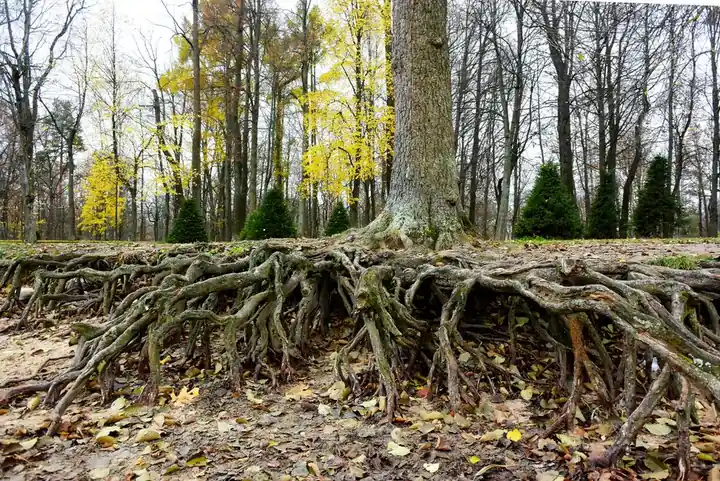
Tree roots cause more repeat sewer blockages in Naples than any other single problem. They slip into aging lines through hairline cracks, grow into dense masses, and turn every flush into a gamble. This guide explains how roots get in, the signs your line has them, how jetting, lining, and bursting compare as fixes, and how to keep roots out for good.
Root intrusion is the growth of tree roots into a sewer line through cracks, joints, or separations, and in Naples it is the most common cause of repeat blockages. It is a slow-motion problem: years in the making, then suddenly urgent.
How do tree roots get into sewer lines?
Roots do not punch through solid pipe. They exploit existing weaknesses. A cast-iron line with hairline cracks, a clay line with loose joints, or any line with a slight separation gives off moisture and nutrients, and nearby roots sense it. A feeder root thinner than a hair slips through the opening. Inside the pipe it finds everything a root wants: water, warmth, and fertilizer. It grows.
What follows is predictable. The feeder root branches, the branches thicken, and within a few seasons there is a root mass inside the pipe. The mass acts like a net, catching toilet paper, grease, and solids. Flow slows. The homeowner notices the toilet needs an extra flush, then the tub starts draining slowly, then sewage appears where it should not.
Naples yards make this worse than average. Tropical species grow fast and root aggressively, irrigation keeps soil moist year-round, and many sewer lines are 50-plus-year-old cast iron already full of entry points. A line that would stay root-free for decades in a cooler climate can be invaded in a few years here.
Warning signs of root intrusion
The signature symptom is the blockage that keeps coming back. A snake clears the line, everything works for a few months, then the same fixtures slow down again. Each cycle gets shorter, because the cut root ends grow back thicker, like a pruned hedge. If you are snaking twice a year, roots are the likely culprit.
Watch for the fixture pattern. Roots usually invade the line downstream, so symptoms show up across multiple fixtures at once: the toilet gurgles when the washer drains, the tub fills when the toilet flushes. Single-fixture problems point to branch lines. Multi-fixture problems point to the main, where roots live.
Seasonal timing is another clue. Root growth surges in the warm, wet months, and Naples gives roots a long growing season. Backups that worsen from spring through fall and ease in the cooler months fit the root pattern. Camera footage confirms it definitively: roots on camera are unmistakable, white tendrils waving in the flow like sea anemones.
Jetting vs lining vs bursting: comparing the fixes
Three fixes address root intrusion, and they solve different parts of the problem. Understanding which does what keeps you from paying for the wrong one.
Hydro Jetting in Naples is the clearing step. High-pressure water scours the root mass, grease, and scale out of the pipe, restoring full flow. It is fast, non-invasive, and effective, but it is maintenance, not repair. The roots grow back, usually within a year, because the entry cracks are still open. Jetting is the right call when you need the line working today and a permanent fix is planned for later, or as ongoing maintenance on a line you are not ready to replace.
CIPP Pipe Lining in Naples is the sealing step. An epoxy-saturated liner is pulled through the cleaned line and cured into a new seamless pipe inside the old one. Every crack and joint along the lined section disappears behind the liner, which means every root entry point disappears too. Roots cannot penetrate the cured epoxy. Lining is the closest thing to a permanent answer for a line whose basic shape is still intact.
Pipe bursting is the replacement step. A bursting head breaks the old pipe apart while pulling a new HDPE pipe into its place. Like lining, it eliminates every entry point, and it also fixes collapsed sections and bellies that lining cannot. Bursting is the answer when the pipe is too far gone to line but you still want to avoid open excavation.
The cost ladder follows the permanence. Jetting costs a fraction of lining, and lining costs less than bursting or excavation. But a homeowner who jets every year for a decade spends more than the lining would have cost, with none of the permanence. Price the ten-year picture, not just the visit.
Prevention: planting distances, root barriers, and maintenance
Prevention starts before the tree goes in the ground. Know where your sewer lateral runs, most plumbers can locate it, then keep thirsty, fast-growing species well away. A practical rule: plant small trees at least 10 feet from the line, and large aggressive species like ficus at least 20 feet away, or roughly the distance of the tree's mature canopy spread. The canopy rule is the simplest one to remember: if the branches will hang over the line, the roots are already there.
For existing trees near the line, root barriers help. A root barrier is a buried panel, usually plastic or metal, installed vertically between the tree and the pipe. It deflects roots downward and away instead of letting them travel horizontally toward the line. Barriers work best installed before roots arrive, but they can redirect established root systems too.
Maintenance matters for lines with a root history. Annual jetting keeps regrowth from becoming a blockage, and a camera check every few years shows whether the situation is stable or worsening. In neighborhoods with mature landscaping, where sewer line repair in Estero calls often involve decades-old trees and original lines, this kind of scheduled maintenance is simply part of homeownership.
The permanent prevention is a sealed pipe. A lined or burst line has no cracks for roots to find, which ends the cycle regardless of what grows overhead. Homeowners who love their mature trees and want to keep them often find that lining the pipe is cheaper than losing the tree.
Common mistakes with root-damaged lines
The classic mistake is the endless snaking cycle. Each cleaning costs a few hundred dollars, the relief lasts a few months, and the underlying damage never improves. Two years of cleanings can exceed the cost of the lining that would have ended it. Track what you spend on cleanings for a year; the total is often persuasive.
Chemical root killers are the second trap. Copper sulfate and foaming products can slow regrowth after a cleaning, but they do not remove the root mass and they do not close the crack the roots came through. They are a delaying tactic between proper repairs, not a solution, and heavy use can harm the landscaping you are trying to protect.
The third mistake is planting the replacement tree in the same spot. After a root-damaged line is repaired, homeowners sometimes replant the same aggressive species right over it. Choose something with a less aggressive root system, plant it at a proper distance, and the new pipe gets the full benefit of the repair.
The fourth is ignoring the cleanout. If your line has a history of root problems, know where the cleanout is and keep it accessible. Buried or paved-over cleanouts turn a one-hour jetting visit into a half-day excavation. In areas like sewer line repair in San Carlos Park, where many homes have had landscaping redone over the years, we regularly find cleanouts hidden under new sod or pavers.
When to call a professional
Call when blockages repeat after cleaning, when multiple fixtures are affected at once, or when you can see the pattern tightening, months between cleanings becoming weeks. Those are the signs that the roots have outgrown the maintenance approach.
A camera inspection, typically $189 to $349, shows the extent of the intrusion and the condition of the pipe behind it. That footage determines whether jetting will hold you for a while, whether lining can seal the problem, or whether the pipe needs bursting. Trenchless Sewer Pros will show you the roots on the monitor and lay out each option with honest pricing, so you can choose the fix that fits your budget and your timeline.
Frequently Asked Questions
Which trees are worst for sewer lines in Naples?
Fast-growing, thirsty species: ficus, areca and royal palms, mango, banyan, and melaleuca. Their roots travel far seeking moisture. Slower-growing, smaller species planted at a distance are safer. When in doubt, keep the tree at least as far from the line as its mature canopy spread.
How far should I plant a tree from my sewer line?
A common rule: at least 10 feet for small trees, and 20 feet or more for large, thirsty species like ficus. The surest approach is matching the distance to the tree's mature canopy spread. Know where your lateral runs before you dig the hole.
Do root-killing chemicals work?
Copper sulfate and foaming root killers can slow regrowth after a cleaning, but they do not remove the root mass and they do not fix the crack the roots entered through. Treat them as a delaying tactic between proper repairs, not a solution.
Will lining really stop roots permanently?
A properly installed liner seals every crack and joint along the lined section, leaving roots no entry point. Roots can still enter unlined sections, so the fix is as complete as the coverage. It is the closest thing to a permanent answer.
How often should I have my line jetted if roots keep coming back?
Typically once a year for lines with known root problems, though aggressive species may need it more often. Jetting is maintenance, not repair. If you are jetting twice a year, price out lining: it usually pays for itself within a few years.
Get help with sewer line repair in Naples
Tired of the snake-clean-repeat cycle? Call Trenchless Sewer Pros at (239) 448-0271 for a camera inspection that shows exactly what the roots have done, and a permanent fix that ends the cycle.